
Rooftop Solar Power Plants: Meaning, Benefits & Installation Guide
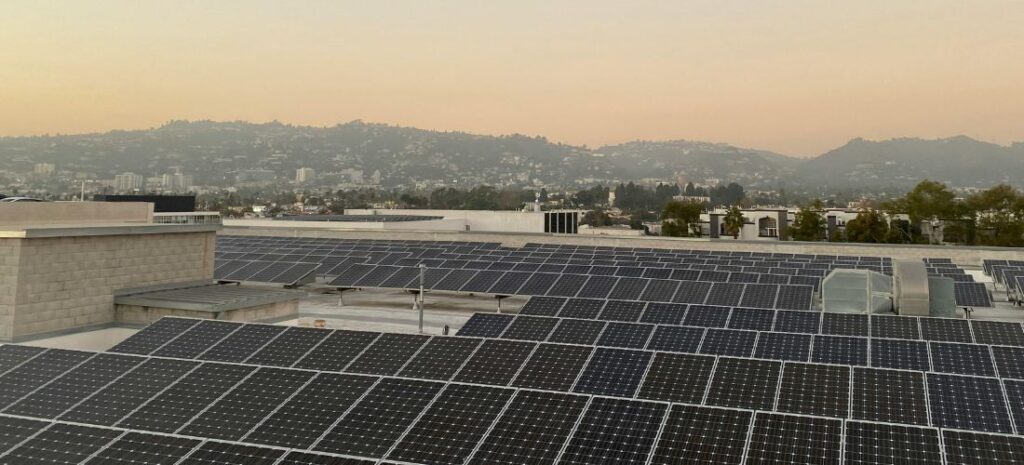
Rooftop Solar Power Plants are becoming one of the smartest energy choices for homes, businesses, and industries today. With rising electricity costs and growing awareness about clean energy, rooftop solar is helping people generate their own power using sunlight, right from their rooftops. Instead of depending completely on the grid, a rooftop solar system allows you to produce electricity using solar panels installed on your roof and reduce your monthly power bills in a sustainable way. What is Rooftop Solar? Rooftop solar refers to a solar power system installed on the roof of a residential, commercial, or industrial building. It uses solar panels to capture sunlight and convert it into electricity that can be used to run lights, fans, appliances, machines, and more. These systems are connected either: Directly to the electricity grid (on-grid) With battery storage (off-grid) Or a mix of both (hybrid) Rooftop solar power plants are designed to use unused roof space efficiently while generating clean, renewable energy for everyday use. How Rooftop Solar Power Plants Work The working of rooftop solar is simple and practical. Here’s how it happens step by step: Solar panels absorb sunlight during the day The panels convert sunlight into DC electricity An inverter converts DC power into usable AC power This electricity runs your home or business Extra power (in on-grid systems) is sent back to the electricity grid This process happens automatically once the system is installed and switched on. Main Components of a Rooftop Solar Power Plant A rooftop solar installation includes a few essential parts that work together: Solar Panels Solar panels are the most visible part of the system. They are made of photovoltaic (PV) cells that capture sunlight and generate electricity. Solar Inverter The inverter converts DC electricity from solar panels into AC electricity that your appliances can use. Mounting Structure This structure holds the solar panels firmly on the roof at the right angle to get maximum sunlight. Electrical Wiring & Safety Devices These include cables, switches, and protection devices to ensure safe power flow. Net Meter (for On-Grid Systems) A net meter records how much electricity you consume from the grid and how much extra power you send back. Read More – 5 mw solar power plant Types of Rooftop Solar Power Plants Choosing the right type of rooftop solar system depends on your electricity needs and location. On-Grid Rooftop Solar System Connected to the electricity grid No battery required Most cost-effective option Ideal for areas with reliable power supply Off-Grid Rooftop Solar System Works independently from the grid Uses batteries to store electricity Suitable for remote areas or frequent power cuts Hybrid Rooftop Solar System Combination of on-grid and off-grid Includes battery backup Provides flexibility and power security Benefits of Rooftop Solar Power Plants Rooftop solar power plants offer many long-term advantages beyond just saving money. Lower Electricity Bills Once installed, solar panels generate free electricity from sunlight, reducing dependency on grid power. Clean and Renewable Energy Solar energy does not produce pollution, smoke, or harmful gases. Better Use of Roof Space Unused rooftops are turned into productive energy-generating assets. Low Maintenance Solar systems require minimal maintenance, mostly periodic cleaning and basic checks. Long System Life Most solar panels last 25 years or more with consistent performance. Who Can Install Rooftop Solar? Rooftop solar power plants are suitable for: Independent houses Apartments (with shared rooftops) Schools and colleges Hospitals Offices and IT parks Factories and warehouses Retail stores and malls As long as the roof is strong and receives adequate sunlight, solar installation is possible. Is Your Roof Suitable for Solar Installation? Before installing solar panels, a basic roof assessment is important. Check these factors: Roof should receive direct sunlight for most of the day Minimal shadow from trees or nearby buildings Sufficient space for required panel capacity Strong structure to support panel weight Preferably south-facing for better efficiency A professional site survey usually confirms these points. Rooftop Solar Installation Process The solar installation process is systematic and well-planned. Step 1: Site Survey Experts inspect your roof, sunlight exposure, and electricity usage. Step 2: System Design Based on your needs, the system size and layout are planned. Step 3: Approvals (for On-Grid) Utility approvals and net metering paperwork are completed. Step 4: Installation Solar panels, inverter, and wiring are installed on the rooftop. Step 5: Testing and Commissioning The system is tested and activated for regular use. Understanding Solar System Capacity Solar power plant capacity is measured in kilowatts (kW). Approximate idea: 1 kW system needs around 80–100 sq. ft. of roof space 1 kW can generate 4–5 units of electricity per day (average) The right system size depends on your monthly electricity consumption. Simple Cost Comparison Table System Size Approx Roof Area Daily Power Generation Suitable For 1 kW 80–100 sq. ft. 4–5 units Small homes 3 kW 250–300 sq. ft. 12–15 units Medium homes 5 kW 400–500 sq. ft. 20–25 units Large homes 10 kW 800–1000 sq. ft. 40–50 units Commercial use Disclaimer: Basic standard prices are not specific and may vary widely depending on location, brand, installation quality, subsidies, and site conditions. Actual cost kuch bhi ho sakta hai. Maintenance Tips for Rooftop Solar Power Plants Maintaining a rooftop solar system is easy but important. Practical tips: Clean solar panels every 15–30 days Remove dust, bird droppings, and leaves Check inverter display for errors Ensure wiring remains secure Schedule annual professional inspection Clean panels can improve energy output noticeably. Solar Panels Performance in Indian Conditions India has strong sunlight for most of the year, making rooftop solar highly effective. Key points: Solar panels are designed to withstand high temperatures Modern panels work efficiently even in dusty environments Monsoon season does not damage panels when installed properly This makes rooftop solar a reliable long-term solution in Indian cities and towns. Government Support and Policies (Overview) The Indian government promotes rooftop solar through: Net metering policies Subsidies (for residential users in many states) Simplified approval processes Policies may vary by state, so
Home Solar Panel Installation Cost in India 2026
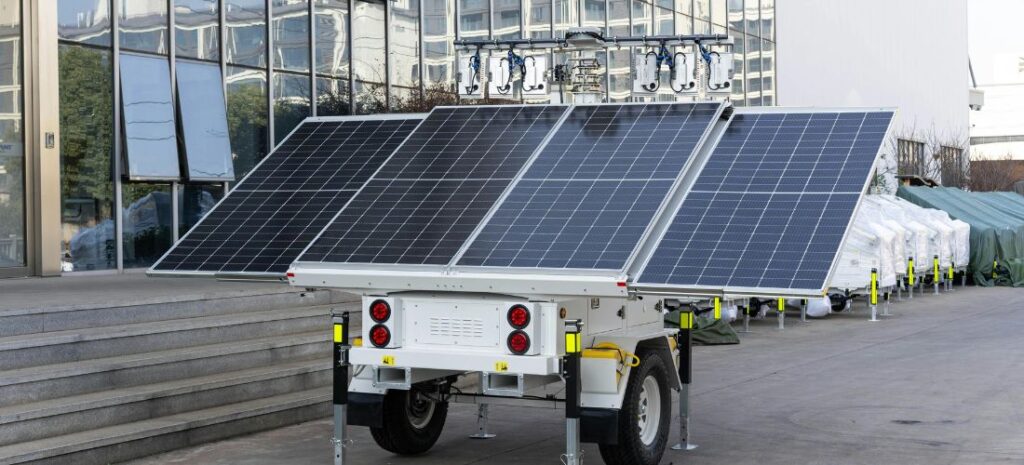
Solar panel installation for your home is becoming one of the smartest decisions Indian homeowners are making in 2026. With rising electricity bills, frequent power cuts, and growing awareness about clean energy, installing solar panels-whether 1 kW solar panels, 2 kW solar panels, or larger systems-has shifted from a “future idea” to a practical, money-saving solution. This guide explains the home solar panel installation cost in India in 2026 in a simple, transparent, and human way. No jargon. No hype. Just real explanations, real numbers, and practical insights to help you decide what’s right for your home. Understanding Home Solar Panel Systems Before talking about cost, it’s important to understand what you are actually paying for when you install solar panels for your home. A home solar panel system is not just panels on a roof. It’s a complete setup where multiple components work together to generate electricity safely and efficiently. Read More – Solar panel Structure Main Components of a Home Solar Panel System A standard rooftop solar system in India usually includes: Solar panels Solar inverter Mounting structure DC & AC wiring Junction boxes & safety devices Battery (optional, only for backup systems) Each component affects the final installation cost. Solar Panels: The Heart of the System Solar panels (also called PV panels) capture sunlight and convert it into electricity. In 2026, Indian homes mostly use these types: Monocrystalline / Mono PERC panels Polycrystalline panels Half-cut solar panels Bifacial panels (in premium setups) Which Solar Panels Are Common for Homes? For most residential users: 1 kW solar panels and 2 kW solar panels are the most popular Mono PERC and half-cut panels dominate due to better efficiency and longer life High-efficiency panels cost more, but they: Need less roof space Generate more units per day Perform better in Indian heat conditions That’s why many homeowners now prefer them despite the slightly higher price. Solar Inverters: Converting Power for Daily Use Solar panels generate DC electricity, but homes run on AC electricity. This conversion is done by a solar inverter. Types of Inverters Used in Homes String Inverters Most common Cost-effective Suitable for simple rooftop layouts Micro Inverters Installed panel-wise Better performance in shaded areas Higher cost Hybrid Inverters Used when batteries are included Higher upfront investment The inverter choice directly impacts your solar panel installation cost in India. Mounting Structure: Holding Everything in Place Solar panels must be mounted safely to handle: High winds Heavy rain Summer heat Long-term load Types of Mounting Structures Rooftop mounting (most common) Elevated structures for concrete roofs Tin-sheet roof structures Ground-mounted structures (rare for homes) Better quality structures increase durability but add to cost. Read More – 5kw hybrid Solar Batteries: Optional but Useful Batteries store excess power for night-time or power cuts. In India, most homes still prefer on-grid systems without batteries because: Batteries increase upfront cost significantly Net metering allows grid export Maintenance is higher However, batteries are useful in: Areas with frequent power cuts Homes needing backup power Factors Affecting Home Solar Panel Installation Cost in India (2026) There is no single fixed price for solar installation. Costs depend on multiple real-world factors. 1. System Size (kW Capacity) The biggest cost factor is system size: 1 kW solar panels → Small homes, low usage 2 kW solar panels → 2–3 BHK homes Larger systems → Villas, high consumption households Bigger systems cost more but reduce per-unit price. 2. Type & Quality of Solar Panels High-efficiency panels = higher upfront cost Budget panels = lower cost, slightly less output Most people in 2026 balance cost + performance instead of choosing the cheapest option. 3. Solar Panel Manufacturing Company The brand you choose matters. A reputed solar panel manufacturing company offers: Certified panels (ALMM, BIS, IEC) Long warranties (25 years) Stable performance Better resale & service support Unbranded or low-quality panels may look cheap but often fail early. 4. Roof Type & Installation Complexity Costs increase if: Roof is small or uneven Extra structure height is needed Access is difficult Flat concrete roofs are the easiest and cheapest to install on. 5. Government Subsidy & Net Metering Government schemes can reduce installation cost significantly. Subsidies vary by: State System size Residential eligibility Net metering further improves savings by exporting excess units to the grid. Average Solar Panel Installation Cost in India (2026) Below is a simple and user-friendly table showing average prices. Average Solar Panel Installation Cost by System Size Solar System Size Approx Cost (₹) 1 KW ₹65,000 – ₹85,000 2 KW ₹1,05,000 – ₹1,25,000 3 KW ₹1,50,000 – ₹1,70,000 4 KW ₹1,85,000 – ₹2,05,000 5 KW ₹2,30,000 – ₹2,50,000 6 KW ₹2,85,000 – ₹2,95,000 7 KW ₹3,15,000 – ₹3,25,000 8 KW ₹3,60,000 – ₹3,80,000 9 KW ₹4,05,000 – ₹4,15,000 10 KW ₹4,50,000 – ₹4,60,000 Prices are indicative and may vary. Solar Panel Installation Cost Per Watt in India Larger systems get cheaper per watt. Cost Per Watt Table (2026) System Capacity Approx Cost per Watt (₹) 1 KW ₹65 5 KW ₹60 10 KW ₹56 15 KW ₹59 20 KW ₹58 25 KW ₹57 50 KW ₹56 100 KW ₹56 250 KW ₹51 500 KW ₹48 1 MW ₹46 This explains why many homeowners upgrade capacity once they see savings. How Much Electricity Can Solar Panels Generate? On average in India: 1 kW solar panels → 4–5 units/day 2 kW solar panels → 8–10 units/day This depends on: Location Sunlight hours Panel efficiency Roof direction Maintenance Cost of Solar Panels One underrated benefit of solar panels for your home is low maintenance. Typical costs: Panel cleaning: ₹1,000–₹2,000/year Inverter servicing: minimal Panel lifespan: 25+ years No fuel, no noise, no daily attention. Choosing the Right Solar Panel Manufacturing Company Always choose a trusted solar panel manufacturing company that provides: ALMM-listed panels BIS, IEC & ISO certifications 25-year performance warranty Indian manufacturing support This ensures: Subsidy eligibility Long-term reliability Peace of mind Why 2026 Is a Good Time to Install Solar Panels Several reasons make 2026 ideal: Electricity tariffs increasing
Benefits Of Solar Energy For Commercial Buildings
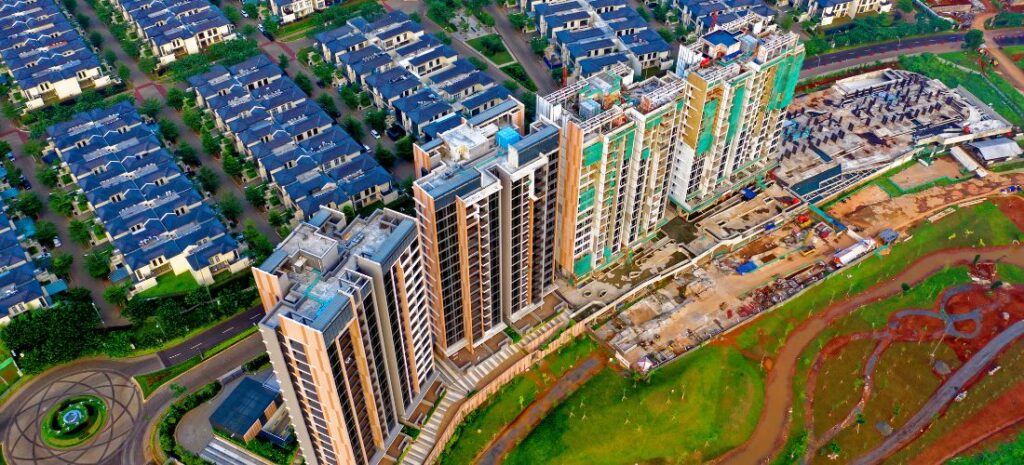
Solar Energy For Commercial Buildings is rapidly becoming a practical and smart solution for businesses looking to reduce energy costs and operate more sustainably. With electricity prices rising every year and power demand increasing, solar energy offers commercial buildings a reliable, cost-effective, and future-ready power source. Key Summary Solar energy helps commercial buildings significantly reduce electricity bills and operational costs. Businesses benefit from government incentives, tax benefits, flexible loan options, and faster return on investment. Installing a commercial solar system improves property value, brand image, and long-term energy security. Solar adoption supports sustainability goals, reduces carbon emissions, and helps meet environmental regulations. Why Solar Energy Is Gaining Popularity in Commercial Buildings Solar energy is no longer limited to residential rooftops. In India, commercial buildings such as offices, factories, hospitals, hotels, warehouses, malls, and educational institutions are increasingly adopting solar energy systems. There are three main reasons behind this shift: Rising electricity tariffs that impact monthly operating costs High daytime power consumption that matches solar energy availability Growing awareness of sustainability and green business practices Commercial buildings typically consume large amounts of electricity during the day for lighting, air conditioning, machinery, servers, and operational equipment. This consumption pattern makes solar energy especially suitable for commercial use. How Solar Energy Works for Commercial Buildings A commercial solar system works by converting sunlight into electricity using photovoltaic (PV) panels. These panels are usually installed on rooftops, parking structures, or open land within the property. Here is a simple breakdown of the process: Solar panels absorb sunlight PV cells generate direct current (DC) electricity An inverter converts DC power into usable alternating current (AC) The electricity is used within the building Excess power, if any, is exported to the grid through net metering Most commercial buildings prefer on-grid solar systems because they are cost-effective, low-maintenance, and allow grid connectivity. Why Solar Panels Are Suitable for Commercial Buildings Commercial buildings have unique energy needs that align well with solar power generation. Key reasons include: High electricity usage during daylight hours Large rooftop or open spaces for panel installation Long-term operational planning that supports investment recovery Ability to utilize government policies and financial incentives The demand-supply match between solar energy production and commercial power usage makes solar energy an efficient choice. Key Benefits Of Solar Energy For Commercial Buildings 1. Significant Savings on Electricity Bills One of the biggest benefits of solar energy is reduced electricity expenses. Commercial buildings consume power continuously, leading to high monthly bills. By installing a commercial solar system: Daytime electricity demand is met through solar power Dependence on grid electricity is reduced Monthly energy bills decrease substantially Over time, these savings directly improve business profitability. Read More – commercial solar panel 2. Protection Against Rising Power Tariffs Electricity tariffs in India increase frequently due to fuel costs, infrastructure expenses, and demand growth. Solar energy helps businesses: Lock in lower energy costs Reduce exposure to future tariff hikes Plan operational expenses more accurately Once installed, solar panels generate power at a fixed cost for 25–30 years. 3. Faster Return on Investment (ROI) Although the initial investment may seem high, commercial solar systems offer a relatively quick payback period. Most businesses recover their investment within 5–7 years through: Electricity bill savings Tax benefits and incentives Net metering credits After the ROI period, the electricity generated becomes almost free, creating long-term financial benefits. 4. Access to Government Incentives and Tax Benefits The Indian government actively promotes solar adoption for commercial use. Businesses can benefit from: Accelerated depreciation benefits State-level solar incentives (subject to availability) Attractive loan options from banks and NBFCs Reduced tax liability through renewable energy investments These benefits significantly lower the effective cost of installing a commercial solar system. 5. Improved Property Value Commercial properties with solar installations are more attractive in the real estate market. Advantages include: Lower operating costs for tenants Higher resale value Faster leasing and occupancy rates Energy-efficient buildings are often preferred by modern businesses and investors. 6. Enhanced Brand Image and Sustainability Goals Sustainability is no longer optional for businesses. Customers, partners, and investors prefer companies that demonstrate environmental responsibility. Using solar energy helps businesses: Reduce carbon footprint Showcase commitment to clean energy Align with ESG and sustainability goals A solar-powered commercial building sends a strong message about responsible business practices. 7. Low Maintenance and Long System Life Solar panels are designed to operate for decades with minimal maintenance. Maintenance requirements include: Periodic cleaning to remove dust Basic electrical inspections There are no moving parts, reducing wear and tear. Most solar panels come with performance warranties of 25 years or more. 8. Net Metering Benefits Net metering allows commercial buildings to export surplus solar energy back to the grid. Benefits include: Credits for excess electricity generated Lower effective power bills Better utilization of installed capacity This makes solar energy even more financially rewarding for commercial users. 9. Energy Independence and Reliability Solar energy reduces dependence on power distribution companies. This helps businesses: Avoid power supply disruptions Reduce reliance on diesel generators Ensure stable energy availability Energy independence is especially valuable for manufacturing units and IT facilities. 10. Compliance with Environmental Regulations Government regulations are increasingly focused on sustainability and emission reduction. Solar energy helps commercial buildings: Meet environmental compliance requirements Avoid penalties related to emissions Qualify for green building certifications This can also improve eligibility for government and corporate tenders. Comparison: Commercial Solar Energy vs Traditional Power Aspect Commercial Solar Energy Grid Electricity Cost Stability Fixed for decades Increases regularly Environmental Impact Clean and renewable High carbon emissions Maintenance Very low Not applicable Long-Term Savings High Limited Energy Independence Partial to high Fully dependent Factors to Consider Before Installing a Commercial Solar System Before investing in solar energy, businesses should evaluate: Available rooftop or open space Current electricity consumption Roof strength and orientation Local net metering policies Financial planning and ROI expectations Working with experienced solar providers like KLK India ensures proper system design and long-term performance. Disclaimer: Basic standard prices are not fixed. Actual commercial
