
Solar Collectors: Types, Uses & How to Choose the Right One
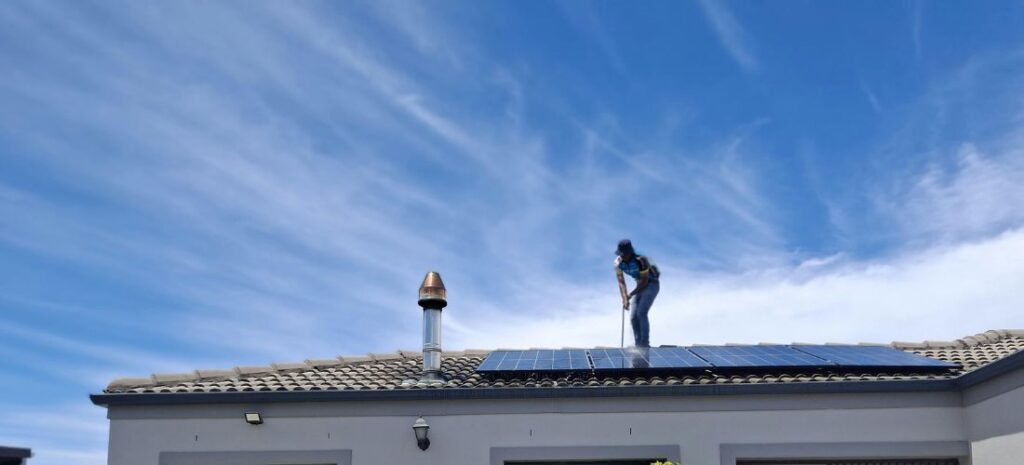
Solar collectors are the heart of solar energy systems, helping capture sunlight and convert it into usable heat or power for daily needs. With rising electricity costs and strong government support for renewable energy in India, understanding what is solar collectors and how different types of solar collectors work has become essential for homeowners, farmers, and industries alike. What Is a Solar Collector? A solar collector is a device that absorbs sunlight and converts it into thermal energy (heat) or supports electricity generation in solar systems. This heat can be used for water heating, space heating, industrial processes, or agricultural applications like drying crops. In simple terms, solar energy collectors trap the sun’s heat and put it to practical use. Because India receives abundant sunlight for most of the year, solar collectors are highly effective and reliable across many regions. Why Solar Collectors Are Important in India India’s climate and energy needs make solar collectors especially valuable. With long sunny days and increasing electricity demand, solar energy collectors help reduce dependency on conventional power sources. Here’s why they matter so much: High solar potential: Most parts of India receive 4–7 kWh of solar radiation per square meter daily. Rising power costs: Solar collectors help lower monthly electricity bills. Government support: Schemes like PM-KUSUM and JNNSM encourage solar adoption. Rural and urban use: From city homes to farms, solar collectors fit many needs. Environmental benefits: They reduce carbon emissions and fossil fuel use. Because of these factors, solar collectors are now common in homes, hospitals, hotels, factories, and agricultural fields. How Do Solar Energy Collectors Work? Although there are different types of solar collectors, the basic working principle remains the same: Sunlight falls on the collector surface The absorber plate or tube captures solar radiation Heat is transferred to water, air, or another fluid The heated medium is stored or directly used The efficiency depends on design, material quality, climate, and proper installation. Different Types of Solar Collectors There are several types of sol ar collectors, each designed for specific uses and environments. Choosing the right one depends on what you want to use solar energy for. 1. Flat Plate Collectors (FPC) Flat Plate Collectors are one of the oldest and most commonly used solar collectors in India, especially for residential water heating. Key Features Flat, rectangular design Transparent glass cover Dark absorber plate underneath Insulated box to reduce heat loss Where They Are Used Homes for hot water Hostels and apartments Hospitals and small hotels Practical Insight In many Indian homes, flat plate collectors work efficiently throughout the year, especially in warm and moderate climates. They require minimal maintenance and have a long lifespan when installed correctly. Pros Simple and durable design Works well in sunny regions Affordable compared to advanced systems Cons Lower efficiency in very cold or cloudy conditions Requires more space on the roof 2. Evacuated Tube Collectors (ETC) Evacuated Tube Collectors are more advanced solar energy collectors designed for higher efficiency. Key Features Multiple glass tubes Vacuum layer between tubes reduces heat loss Absorbs sunlight from multiple angles Where They Are Used Residential water heating Commercial buildings Industrial hot water systems Practical Insight In North India or hilly regions, evacuated tube collectors perform better during winter and cloudy days compared to flat plate collectors. Pros Higher efficiency Performs well in cold weather Faster heating Cons Slightly higher cost Glass tubes need careful handling 3. Solar Air Collectors Solar air collectors heat air instead of water. They are simple but very useful for specific applications. Key Features Uses air as the heat transfer medium Simple structure Low maintenance Where They Are Used Space heating Crop drying Ventilation systems Warehouses and workshops Practical Insight For farmers, solar air collectors help dry grains, spices, and vegetables naturally, reducing spoilage and dependence on fuel-based dryers. Pros Affordable No risk of water leakage Ideal for agriculture Cons Limited use in households Not suitable for water heating 4. Concentrating Solar Collectors (CSP) Concentrating Solar Collectors are used for large-scale applications and power generation. Key Features Uses mirrors or lenses Concentrates sunlight onto a small point Produces very high temperatures Where They Are Used Solar power plants Large industrial heating processes Practical Insight CSP systems are mainly used in large projects due to their cost and space requirements, but they offer very high efficiency where sunlight is intense and consistent. Pros Very high efficiency Suitable for large energy needs Cons High installation cost Requires large open space Needs direct sunlight Comparison of Different Solar Collectors Below is a simple and user-friendly table to help you compare different solar collectors easily: Solar Collector Type Efficiency Cost Range Best For Suitable Climate Flat Plate Collectors Moderate Affordable Home water heating Warm & moderate Evacuated Tube Collectors High Mid-range Cold regions, residential & industrial Cold & cloudy Solar Air Collectors Moderate Affordable Space heating, crop drying Dry & sunny Concentrating Solar Collectors Very High Expensive Power plants, industries High sunlight How to Choose the Right Solar Collector for Your Needs Choosing the right solar collector depends on practical factors, not just price or popularity. 1. Purpose of Use Ask yourself: Do you need hot water? Do you want to heat air? Is it for industrial use or home use? 2. Climate Conditions Warm regions: Flat Plate Collectors work well Cold or cloudy regions: Evacuated Tube Collectors perform better 3. Space Availability Limited roof space may require high-efficiency collectors Large areas suit flat plate or CSP systems 4. Budget Planning Initial cost matters, but long-term savings are more important. Disclaimer: Prices mentioned are basic standard estimates and not specific. Actual costs can vary depending on brand, capacity, location, and installation conditions. 5. Maintenance Expectations Some collectors need minimal care, while others require professional servicing. Benefits of Using Solar Collectors in India Using solar energy collectors offers long-term value beyond cost savings. Lower Energy Bills Once installed, sunlight is free. This significantly reduces electricity or fuel expenses. Government Incentives Subsidies and schemes make solar collectors more affordable,
