
Bifacial Solar Panels: Price, Benefits, Cost & Working
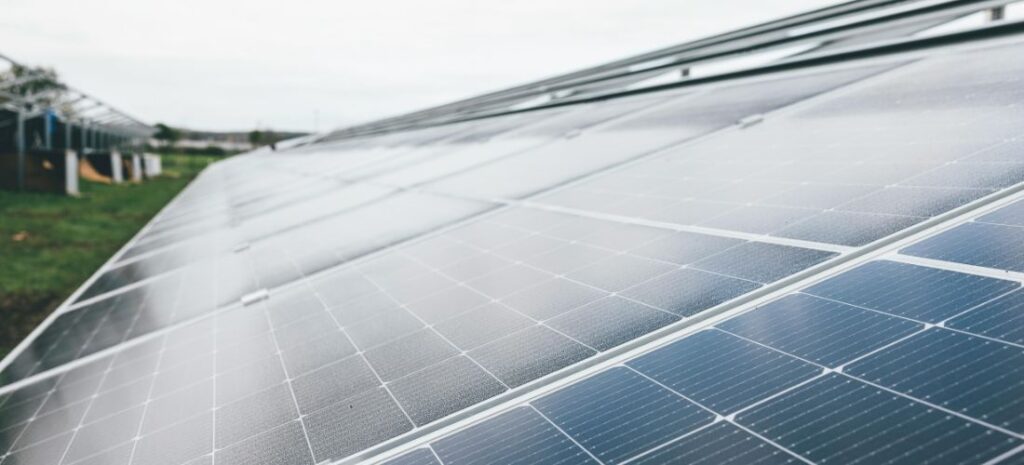
Bifacial solar panels are becoming a popular choice for homes, businesses, and large solar plants because they can generate electricity from both sides of the panel. Unlike traditional panels, these advanced panels capture sunlight from the front and also use reflected light from the ground at the back. This simple idea leads to better performance, higher efficiency, and better long-term value. In this guide, you’ll learn everything important about bifacial solar panels-how they work, their price in India, benefits, limitations, and how they compare with bifacial solar modules monocrystalline and polycrystalline types. The goal is simple: help you make a clear and confident decision. What Are Bifacial Solar Panels? Bifacial solar panels are solar modules designed to produce power from both the front and rear sides. The front side works like a normal solar panel, absorbing direct sunlight. The back side captures reflected and scattered light from the surface below, such as concrete, white roofs, sand, or light-colored flooring. This dual-side generation makes bifacial solar panels more efficient than traditional monofacial panels, which generate electricity only from one side. What Are Bifacial Solar Cells? Solar panels are made of small units called solar cells. In bifacial panels: Solar cells are active on both sides Light can pass through or reflect onto the rear side Electricity is generated from direct and reflected sunlight In simple words, bifacial solar cells are like two solar cells placed back-to-back, working together to produce more power. Bifacial Solar Panels vs Traditional Solar Panels To understand why bifacial panels are special, let’s compare them with standard solar panels. Key Differences at a Glance Aspect Polycrystalline Solar Panels Monocrystalline Solar Panels Bifacial Solar Panels Sunlight capture Front side only Front side only Front + rear side Cell type Polycrystalline silicon Monocrystalline silicon Monocrystalline (mostly) Efficiency range 16–17% 19–20% Up to 22% Power output Standard Higher than poly Highest Installation Simple Simple Needs reflective surface Cost Lower Medium Slightly higher Important note: Prices and efficiency values are indicative and may change depending on brand, location, and market conditions. How Do Bifacial Solar Panels Work? The working of bifacial solar panels is easy to understand. Front Side Power Generation Sunlight falls directly on the front surface Silicon cells absorb photons Electrons start moving, creating electric current This is the same process used in monofacial solar panels. Rear Side Power Generation Sunlight reflects from the ground or roof surface Reflected or diffused light reaches the back side Rear-side cells convert this light into extra electricity Because of this extra input, bifacial solar panels generate 4–10% more energy compared to traditional panels. The exact gain depends on surface reflectivity and installation height. Types of Bifacial Solar Panels Bifacial solar panels can be classified in two main ways: Based on construction Based on cell technology Let’s look at both in detail. Types Based on Construction 1. Glass-Glass Bifacial Solar Panels Solar cells are sandwiched between two glass layers Stronger and more durable Better protection against moisture and heat Slightly heavier but longer lifespan These are commonly used in commercial and utility-scale projects. 2. Glass-Backsheet Bifacial Solar Panels Front side has glass Back side uses a transparent polymer sheet Lighter in weight Slightly less durable than glass-glass panels These are suitable for rooftops where weight matters. 3. Hybrid Bifacial Panels Mix of glass and polymer materials Balanced cost, durability, and performance Used when project needs flexibility Types Based on Cell Technology PERC (Passivated Emitter and Rear Cell) Most common bifacial technology Improved rear-side passivation Efficiency up to 22–22.5% PERL (Passivated Emitter Rear Locally Diffused) Advanced rear contact design Higher efficiency than PERC Mostly used in research or premium systems PERT (Passivated Emitter Rear Totally Diffused) Fully diffused rear surface Stable performance Used in large solar plants HJT / HIT (Heterojunction Technology) Combines crystalline and thin-film silicon Very low temperature loss High efficiency even in hot climates Bifacial Solar Modules: Monocrystalline and Polycrystalline Most bifacial solar modules are made using monocrystalline cells because they allow light to pass more effectively to the rear side. Bifacial Monocrystalline Solar Modules High purity silicon Better rear-side transparency Higher efficiency More common in the market Bifacial Polycrystalline Solar Modules Less common Lower efficiency Limited availability Mostly replaced by monocrystalline bifacial modules In practical use, bifacial solar modules monocrystalline are the preferred choice today. Bifacial Solar Panels Price in India The price of bifacial solar panels depends on: Panel wattage Technology (PERC, HJT, etc.) Brand and warranty DCR or non-DCR modules Indicative Bifacial Solar Panel Price Table Panel Capacity Approx Price per Watt* Estimated Panel Cost* 2 kW ₹24 ₹48,000 3 kW ₹24 ₹72,000 5 kW ₹24 ₹1,20,000 10 kW ₹24 ₹2,40,000 Disclaimer: This is a basic standard price and not a fixed amount. The actual cost may vary depending on market conditions, brand, location, and time. Panel prices change frequently and do not include installation or inverter costs. Total System Cost vs Panel Cost Many people confuse panel price with system price. A complete solar system includes: Solar panels Inverter Mounting structure DC and AC wiring Earthing and safety devices Installation and service Bifacial panels increase system output, but system cost depends on overall design. Advantages of Bifacial Solar Panels Bifacial solar panels offer several real-world benefits. 1. Higher Energy Generation Because both sides work, energy output is higher than standard panels. 2. Better Performance in Low Light They perform well during cloudy weather and early mornings. 3. Improved Return on Investment (ROI) More energy generation means: Lower electricity bills Faster cost recovery Higher long-term savings 4. Long Lifespan Glass-glass bifacial panels often last longer due to better protection. 5. Ideal for Open Areas Perfect for rooftops, ground-mounted systems, and solar farms. Limitations of Bifacial Solar Panels While bifacial solar panels are powerful, they are not perfect. 1. Higher Initial Cost They cost slightly more than monofacial panels. 2. Installation Needs Planning For best results: Roof or ground should be reflective Panel height should allow rear-side light 3. Not Ideal for All Rooftops Dark-colored or shaded rooftops
Floating Solar Power Plant in India: Benefits, Working & Future

Floating solar is changing how we think about solar power by using water surfaces instead of land to produce electricity. A floating solar power plant places solar panels on lakes, reservoirs, and other water bodies, helping generate clean energy while saving land and reducing water loss. What Is a Floating Solar Power Plant? A floating solar power plant is a solar energy system installed on water instead of land. The solar panels are mounted on specially designed floating structures that stay stable on reservoirs, ponds, dams, and lakes. These floating solar panels work just like normal solar panels by converting sunlight into electricity, but they offer extra benefits because they sit on water. Floating solar power plants are especially useful in countries like India, where land is expensive and water bodies are widely available. Why Floating Solar Is Gaining Attention Solar energy demand is growing fast, but finding large pieces of land is becoming difficult. Floating solar offers a practical solution by using unused water surfaces. Many reservoirs already exist for irrigation, drinking water, or hydropower. Installing solar panels on water makes better use of these spaces without disturbing land resources. Some key reasons floating solar is becoming popular: Limited availability of open land Rising energy demand Need to reduce carbon emissions Better efficiency due to water cooling Reduced water evaporation How Floating Solar Panels Work Floating solar panels follow the same basic working principle as land-based solar systems, with a few added components designed for water environments. Sunlight Absorption Floating solar panels absorb sunlight using photovoltaic cells. Since water reflects sunlight, panels often receive slightly more solar radiation compared to land-based systems. Electricity Generation The sunlight absorbed by the panels is converted into direct current (DC) electricity. The cooler temperature over water helps panels operate more efficiently. Power Conversion Inverters convert DC electricity into alternating current (AC), which is suitable for homes, industries, and the power grid. Power Transmission The electricity is transferred through underwater or floating cables to the grid or nearby facilities. Main Components of a Floating Solar Power Plant Floating solar systems are carefully designed to handle water conditions like waves, changing water levels, and weather. Floating Structures These are buoyant platforms made from high-density polyethylene (HDPE) or similar materials. They support solar panels and keep them afloat. Mooring and Anchoring System Mooring systems hold the floating solar panel structure in place. Anchors and ropes prevent movement caused by wind or water flow. Solar Panels Standard photovoltaic panels are used, often with corrosion-resistant frames to handle moisture. Electrical Equipment Includes inverters, transformers, cables, and safety devices designed for water-based installation. Monitoring System Sensors track performance, detect faults, and help with maintenance planning. Also Read : 5 mw solar power plant Floating Solar Power Plant in India India has emerged as a global leader in floating solar power plants. With thousands of reservoirs and dams, the country has huge potential for solar panels on water. The Indian government supports floating solar projects as part of its renewable energy goals. These projects help India move closer to its target of 500 GW renewable energy capacity by 2030. Floating solar power plants in India are often installed on: Irrigation reservoirs Hydropower dams Industrial water bodies Drinking water reservoirs Major Floating Solar Projects in India India already has several large floating solar power plants that show how effective this technology can be. Omkareshwar Floating Solar Power Plant Located in Madhya Pradesh, this project has a capacity of 126 MW. It is one of the largest floating solar installations in the world and helps reduce both carbon emissions and water evaporation. Kayamkulam Floating Solar Project This floating solar power plant in Kerala has a capacity of over 100 MW. Built on a backwater area, it performs well even during monsoon conditions. These projects prove that floating solar panels can work reliably in different climates across India. Benefits of Floating Solar Technology Saves Land Resources Floating solar power plants use water surfaces instead of land. This helps protect agricultural land and urban spaces for other important uses. Higher Energy Efficiency Solar panels on water stay cooler due to natural evaporation. Cooler panels generate electricity more efficiently compared to panels installed on hot land. Reduces Water Evaporation Floating solar panels cover the water surface, reducing direct sunlight exposure. This lowers evaporation and helps conserve water, which is especially important in dry regions. Lower Algae Growth By blocking sunlight from reaching the water, floating solar panels can reduce algae growth, improving water quality. Supports Clean Energy Goals Floating solar helps reduce dependence on fossil fuels and lowers greenhouse gas emissions. Floating Solar vs Land-Based Solar: A Simple Comparison Feature Floating Solar Land-Based Solar Land requirement Very low High Efficiency Slightly higher Standard Water conservation Reduces evaporation No impact Installation cost Higher initially Lower initially Environmental impact Low Can affect land use Cost of Floating Solar Power Plant in India The cost of a floating solar power plant in India is usually higher than land-based solar systems. This is because of floating structures, anchoring systems, and water-resistant equipment. However, the long-term benefits often balance the initial cost: Better efficiency Land savings Water conservation Long system life As technology improves and more projects are developed, costs are gradually coming down. Challenges of Floating Solar Projects Floating solar technology has many advantages, but it also comes with challenges. Higher Initial Investment Floating solar panels require special materials and installation techniques, increasing upfront costs. Complex Installation Working on water requires skilled labor and careful planning. Maintenance Issues Moisture and humidity can affect electrical components if not properly protected. Environmental Concerns Each project must be carefully planned to avoid disturbing aquatic life. Despite these challenges, most issues can be managed with good design and proper maintenance. Environmental Impact and Safety Floating solar power plants are designed to be environmentally friendly. Before installation, detailed environmental studies are conducted to ensure minimal impact on water quality and aquatic ecosystems. Safety measures include: Electrical insulation Corrosion-resistant materials Secure anchoring systems Regular
