
Solar Panel Wiring Basics: How to Wire Solar Panels Safely
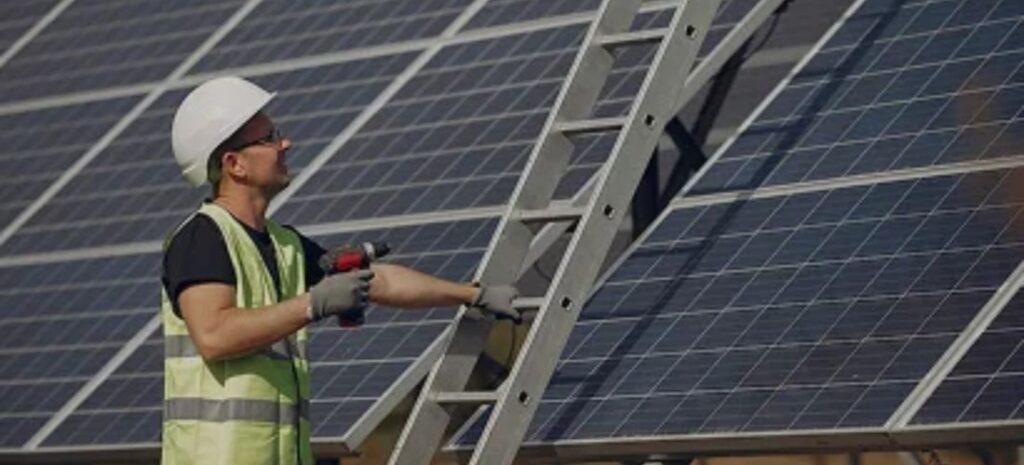
Solar panel wiring is the foundation of any solar power system. If the wiring is done correctly, your solar panel setup works safely, produces the expected power, and lasts for years. If it’s done wrong, even the best solar panel can underperform or damage other components. That’s why understanding the basics matters, whether you’re a homeowner, beginner installer, or just learning solar energy. This guide explains solar panel wiring in a simple, step-by-step way. No complex math. No confusing jargon. Just clear, practical knowledge you can trust. What Is Solar Panel Wiring? Solar panel wiring is the process of connecting solar panels to each other and then linking them to an inverter, charge controller, batteries (if used), and the main power system. The goal of wiring is simple: Allow electricity to flow smoothly Match the voltage and current with the inverter Keep the system safe and efficient Every solar panel produces DC (direct current) electricity. Wiring decides how much voltage and current reach the inverter, which converts DC into usable AC power. Why Proper Solar Panel Wiring Is So Important Many solar systems lose power not because of bad panels, but because of poor wiring design. Correct solar panel wiring helps: Prevent inverter damage Avoid power loss due to voltage mismatch Improve system efficiency Reduce fire and safety risks Make future maintenance easier A small wiring mistake can reduce output every single day. Over years, that loss adds up. Basic Electrical Terms You Must Know Before learning how to wire solar panels, it’s important to understand three basic terms. Voltage (V) Voltage is the pressure that pushes electricity through wires. Higher voltage means electricity moves more easily over long distances. In solar panels: Voltage increases when panels are connected in series Cold weather can increase voltage Current (Amps) Current is the amount of electricity flowing. More current means thicker wires are needed. In solar panels: Current increases when panels are connected in parallel Shade usually affects current more than voltage Power (Watts) Power is the total energy produced. It is calculated using this formula: Power = Voltage × Current Every solar panel is rated in watts, like 400W or 550W. How Solar Panels Are Wired Together Connecting solar panels together is often called stringing. A group of panels wired together is called a string. Each string sends power to the inverter. There are three main wiring methods: Series wiring Parallel wiring Series-parallel wiring Each method affects voltage and current differently. Series Wiring: How It Works In series wiring: Positive (+) of one solar panel connects to negative (–) of the next Voltage adds up Current stays the same Example If one solar panel has: Voltage = 40V Current = 10A Three panels in series will give: Voltage = 120V Current = 10A When Series Wiring Is Used Long wire distances Systems with string inverters When inverter needs higher voltage Limitations of Series Wiring Shade on one panel can reduce output of the whole string Voltage must stay within inverter limits Most residential solar systems use series wiring as the base. Parallel Wiring: How It Works In parallel wiring: All positive terminals connect together All negative terminals connect together Voltage stays the same Current adds up Example If one panel has: Voltage = 40V Current = 10A Three panels in parallel will give: Voltage = 40V Current = 30A When Parallel Wiring Is Used Areas with partial shading Systems that require low voltage Battery-based solar systems Limitations of Parallel Wiring Higher current needs thicker cables More material cost More complex connections Series vs Parallel: Simple Comparison Table Feature Series Wiring Parallel Wiring Voltage Increases Stays same Current Same Increases Wire Thickness Thinner Thicker Shade Impact High Low Cost Lower Higher Common Use Grid-tied systems Off-grid systems Series-Parallel Wiring: Best of Both Many systems use a mix of series and parallel wiring. In this setup: Panels are first connected in series to raise voltage Series strings are then connected in parallel to increase current This method: Balances voltage and current Improves flexibility Is common in medium and large solar systems Most professional installations use series-parallel wiring. Main Components Used in Solar Panel Wiring Solar panel wiring is not just about panels. Other components matter too. Solar Cables (PV Wire) Designed for outdoor use UV-resistant and heat-resistant Common sizes: 10 AWG and 12 AWG MC4 Connectors Standard connectors used with solar panels Lock tightly to avoid loose connections Weatherproof and safe Junction Boxes Combine multiple wires safely Protect connections from dust and water DC Isolators and Circuit Breakers Protect the system from overcurrent Required by safety codes Understanding the Role of the Inverter The inverter is the heart of the solar system. Solar panel wiring must match inverter specifications. Key inverter limits include: Maximum input voltage Minimum start voltage Maximum input current Number of MPPTs If wiring exceeds these limits, the inverter may shut down or get damaged. What Are MPPTs and Why They Matter MPPT stands for Maximum Power Point Tracker. An MPPT: Finds the best voltage and current combination Adjusts automatically with sunlight changes Improves power output If an inverter has multiple MPPTs: Panels facing different directions can be wired separately Shaded panels won’t affect others as much Good solar panel wiring always respects MPPT design. Solar Panel Specifications You Must Check Every solar panel comes with a datasheet. Important values include: Open Circuit Voltage (Voc) Maximum voltage when panel is not connected Used to calculate cold weather voltage rise Short Circuit Current (Isc) Maximum current under short conditions Used for wire and fuse sizing These values are tested under Standard Test Conditions, not real weather. Temperature Effects on Solar Panel Wiring Temperature changes affect voltage. Cold weather increases voltage Hot weather reduces voltage That’s why wiring design must include a safety margin. Ignoring temperature can push voltage beyond inverter limits in winter. Professional installers always adjust for temperature. Basic Safety Rules for Solar Panel Wiring Solar electricity can be dangerous if handled carelessly. Always follow these rules: Turn off
What Is a Microgrid? How Solar Microgrids Work
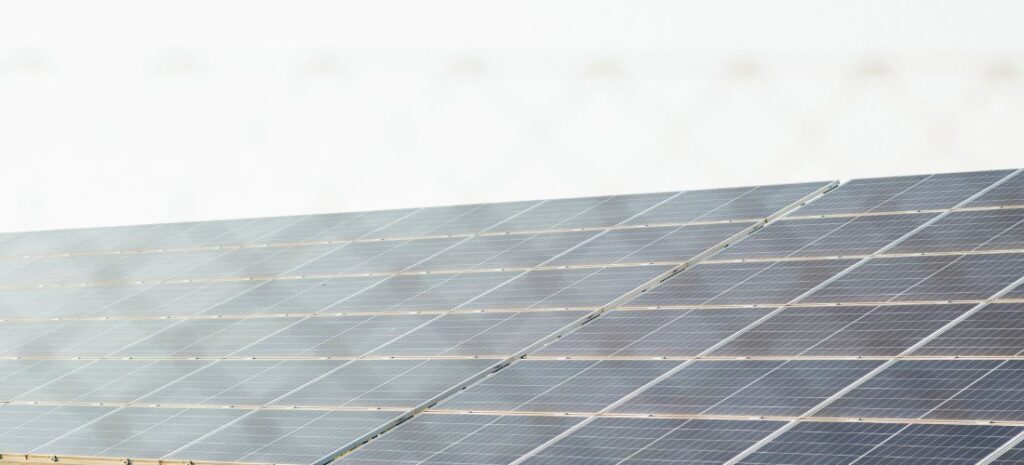
What is a microgrid? A microgrid is a small, local power system that can generate, store, and manage electricity for a specific area. Unlike the main power grid, a microgrid can work on its own or stay connected to the larger grid, making energy supply more reliable and flexible. In simple words, a microgrid brings power closer to where it is used. This makes electricity safer, cleaner, and easier to control-especially when the main grid fails. Understanding Microgrids in Simple Terms A traditional power grid sends electricity from big power plants over long distances. If something breaks in between, large areas can lose power. A microgrid works differently. It creates electricity locally and supplies it directly to nearby homes, buildings, or facilities. Because of this local setup, problems in the main grid do not always affect the microgrid. A microgrid can power: A hospital A college campus A factory A housing society A remote village A military base Many modern microgrids use renewable energy, which is why solar microgrid systems are becoming very popular. Official Definition of a Microgrid According to the U.S. Department of Energy (DOE), a microgrid is: “A group of interconnected loads and distributed energy resources within clearly defined electrical boundaries that acts as a single controllable entity with respect to the grid.” This definition highlights three key ideas: Local energy resources Clear boundaries Ability to operate independently How a Microgrid Works Understanding how a microgrid works is easy when broken into steps. Step 1: Power Generation Electricity is produced locally using one or more sources, such as: Solar panels Wind turbines Diesel generators Natural gas systems In a solar powered microgrid, solar panels are the main source of energy. Step 2: Energy Storage Excess electricity is stored in batteries. This stored power is used: At night During cloudy weather When demand is high During grid outages Step 3: Power Distribution Electricity flows through local cables and transformers to reach homes or buildings inside the microgrid. Step 4: Smart Control System A digital control system manages: When to use solar power When to charge or discharge batteries When to connect or disconnect from the main grid Step 5: Grid Connection or Island Mode A microgrid can: Stay connected to the main grid Switch to island mode and operate independently during outages Key Components of a Microgrid Every microgrid is built using a few essential parts. Each part plays an important role in keeping power stable and reliable. 1. Power Sources These generate electricity. Common options include: Solar panels (most common) Wind turbines Diesel or gas generators Combined heat and power (CHP) systems Solar is preferred because it is clean, silent, and cost-effective over time. 2. Energy Storage Systems Energy storage helps balance supply and demand. Lithium-ion batteries Flow batteries Flywheels (less common) Without storage, a solar microgrid would not work well at night or during bad weather. 3. Distribution Network This includes: Power lines Switchgear Transformers It safely delivers electricity to connected loads. 4. Microgrid Controller This is the “brain” of the system. Monitors power generation and usage Maintains voltage and frequency Automatically switches modes during outages 5. Point of Common Coupling (PCC) The PCC is the point where the microgrid connects to the main utility grid. It allows safe isolation during grid failures. Microgrid vs Traditional Power Grid Feature Microgrid Traditional Grid Power generation Local Centralized Distance of power travel Short Long Works during grid failure Yes No Renewable energy support High Limited Control Local & smart Central utility Reliability Very high Medium What Is a Solar Microgrid? A solar microgrid uses solar panels as its main energy source, along with batteries and a control system. It is one of the most practical and widely used microgrid types today. Why solar works well in microgrids: Sunlight is free and abundant Solar panels are easy to install Maintenance costs are low Works well with battery storage A solar powered microgrid is especially useful in areas with: Frequent power cuts No grid access High diesel costs Sustainability goals Types of Microgrids Microgrids can be classified based on location and use. 1. Grid-Connected Microgrids Connected to the main grid Can export or import electricity Switch to island mode when needed 2. Off-Grid Microgrids Completely independent Common in remote or rural areas Often solar-based 3. Community Microgrids Serve multiple homes or buildings Shared energy resources Lower cost per user 4. Commercial and Industrial Microgrids Used by factories, IT parks, airports Focus on reliability and cost savings Why Microgrids Are Important Today Energy needs are changing fast. Microgrids solve many modern power problems. 1. Better Power Reliability Power cuts affect businesses, hospitals, and daily life. A microgrid keeps electricity running even when the main grid fails. 2. Support for Renewable Energy Microgrids make it easier to use solar and wind power without harming grid stability. 3. Lower Energy Loss Electricity travels short distances, reducing transmission losses. 4. Cost Savings Over Time Although setup costs are high, long-term savings come from: Lower fuel use Reduced outages Better energy management 5. Energy Independence Users control their own power supply instead of depending fully on utilities. Microgrids and Sustainability Microgrids play a big role in clean energy goals. They help by: Reducing fossil fuel usage Lowering carbon emissions Encouraging local renewable energy production A solar microgrid can cut thousands of tons of carbon emissions over its lifetime. By generating electricity close to where it is used, microgrids also reduce waste and improve efficiency. Smart Microgrids Explained A smart microgrid uses digital technology to manage power better. Features of a smart microgrid: Real-time monitoring Automated decision-making Smart meters IoT sensors Data-driven energy optimization These systems quickly respond to: Changes in demand Weather conditions Equipment issues Smart microgrids are more efficient, safer, and easier to scale. Common Challenges of Microgrids Microgrids offer many benefits, but they also have challenges. High Initial Cost Solar panels Batteries Control systems These require large upfront investment. Technical Complexity Managing multiple energy sources needs advanced software and skilled professionals. Regulatory
