
Solar Panel Size for Homes: Dimensions, Chart & Planning
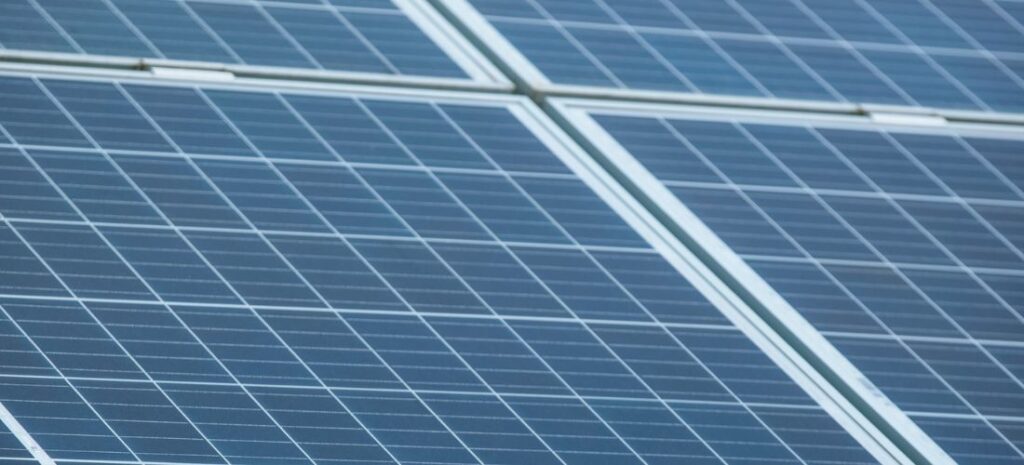
Choosing the right solar panel size is one of the most important steps in planning a solar system for your home. The size you choose affects how much electricity you generate, how much roof space you need, how easy the installation is, and how much value you get over the next 25 years. A clear understanding of solar panel dimensions and output removes confusion and helps you make a smart, long-term decision. This guide breaks everything down in simple terms. You will learn why solar panel size matters, what standard sizes are available, how to read a solar panel size chart, and how to select the right option for your roof and power needs-without technical jargon or guesswork. Why Solar Panel Size Matters More Than You Think Solar panel size is not just about physical dimensions. It directly affects performance, layout, cost, and future flexibility. Here’s why solar panel size matters for homeowners: Energy generation: Larger panels usually produce more power because they contain more solar cells Roof utilization: The wrong size can waste roof space or limit system capacity Installation ease: Heavier or oversized panels may be harder to handle on small roofs System efficiency: Fewer large panels can reduce wiring and mounting complexity Future expansion: Choosing the right size today makes upgrades easier later In simple terms, solar panel size connects your roof, your electricity bill, and your long-term savings. Ignoring it can lead to underperformance or unnecessary costs. Understanding Solar Panel Dimensions When people talk about solar panel size, they usually mean two things: Physical size – the length, width, and thickness of the panel Power size – how much electricity the panel produces, measured in watts (W) These two are related but not identical. Newer technology allows more power from nearly the same panel dimensions. What Is a Standard Solar Panel Size? Most homes use panels that follow global manufacturing standards. These sizes fit common rooftops and work well with standard mounting systems. Common Residential Solar Panel Dimensions Height: 1.6 to 1.7 meters Width: around 1 meter Area: about 1.6–1.8 square meters Weight: 18–20 kg Power output: 300 W to 400 W These panels usually contain 60 full cells or 120 half-cut cells. Larger Commercial Solar Panel Dimensions Height: around 2 to 2.1 meters Width: 1 to 1.1 meters Area: about 2–2.3 square meters Weight: 22–25 kg Power output: 450 W to 600+ W These panels typically use 72 full cells or 144 half-cut cells. Despite higher wattage, the increase in physical size is modest. This is why modern panels deliver more power without drastically changing rooftop layouts. Solar Panel Size Chart Below is a clear solar panel size chart to help you compare dimensions and output at a glance. Panel Type Typical Wattage Solar Panel Dimensions (approx.) Common Use 60-cell Mono 300–350 W 1.65 m × 1.0 m Residential rooftops 120 half-cell Mono 350–400 W 1.7 m × 1.05 m Residential rooftops 72-cell Mono 450–550 W 2.0 m × 1.0 m Commercial rooftops 144 half-cell Mono 550–600+ W 2.1–2.4 m × 1.1 m Large roofs / ground mounts This solar panel size chart shows how higher wattage often means slightly larger dimensions—but also fewer panels overall. Solar Panel Size vs Power Output A common misunderstanding is that doubling panel size doubles power. In reality, efficiency improvements play a big role. Key points to remember: Older panels needed more area for the same wattage New technologies like Mono PERC and TOPCon increase output without major size changes Two panels of the same size can have different watt ratings This is why checking both solar panel dimensions and wattage is essential when comparing options. How Much Do Solar Panels Weigh? Weight is an important but often overlooked part of solar panel size. Typical weights: Residential panels: 18–20 kg Large panels: 22–25 kg According to MNRE rooftop guidelines, most Indian roofs can safely handle solar installations when total load stays within 30 kg per square meter, including mounting structures. This means standard home rooftops rarely need structural changes for solar. Residential vs Commercial Solar Panels: Size Comparison Homes and factories have different needs, which is why panel sizes vary. Feature Residential Panels Commercial Panels Physical size Smaller and compact Larger footprint Typical wattage 300–400 W 450–600 W Roof type Sloped or small flat roofs Large flat roofs Handling Easier to lift and place Heavier but fewer units Layout flexibility High Medium For homes, flexibility and fit matter more than raw power. For commercial spaces, fewer high-wattage panels reduce overall system complexity. What Is the Standard Solar Panel Size in India? India largely follows global standards, with slight adjustments for climate and installation practices. Residential Systems in India Panel size: ~1 m × 1.6–1.7 m Output: 250–400 Wp Roof space needed: 8–10 m² per kW Commercial Systems in India Panel size: ~1 m × 2 m Output: 400–600 Wp Roof space needed: 6–8 m² per kW All panels must meet BIS and MNRE quality standards, ensuring safety, durability, and long-term performance. How to Size a Solar Panel System When people ask about solar panel size, they usually want to know how many panels they need. This depends on total system size, not just one panel. Step 1: Check Your Electricity Usage Look at your monthly electricity bill. Note your average consumption in units (kWh). Example: Monthly usage:300 kWh Step 2: Estimate Required Solar Capacity In most parts of India, 1 kW of solar produces about 120 units per month. 300 ÷ 120 ≈ 2.5 kW system Step 3: Choose Panel Wattage Your panel size choice affects the number of panels: 335 W panels → about 8 panels 500 W panels → about 5 panels Both deliver similar system capacity but use space differently. Step 4: Check Roof Fit Multiply panel area by number of panels to ensure they fit comfortably with walking space for maintenance. Finding the Best Solar Panel Size for Your Roof Every roof is different. The best solar panel size depends on layout, orientation, and
Renewable Energy Trends in 2026: Types, Growth & Future
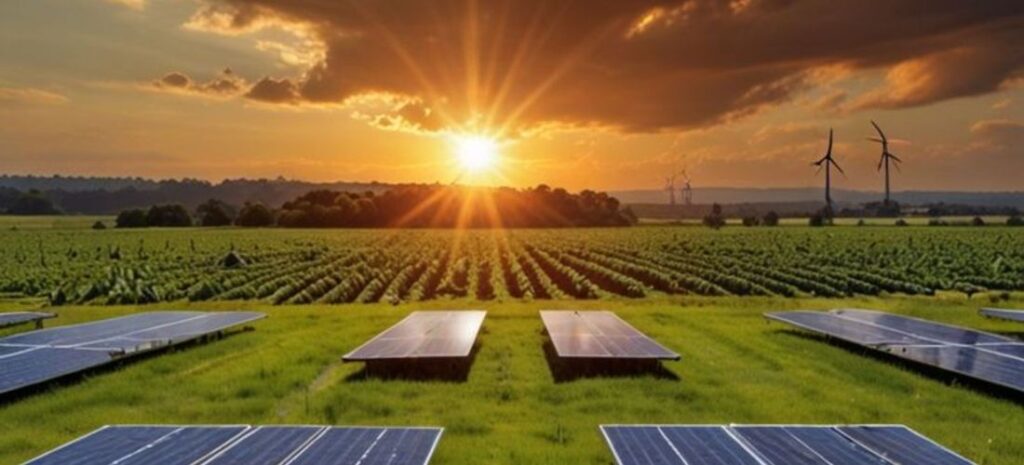
Renewable energy is becoming the backbone of the global power system in 2026. Countries are moving faster toward clean power to meet rising energy needs, reduce pollution, and protect the climate. From solar rooftops to large wind farms and energy storage, renewable energy trends are shaping how electricity is produced and used across the world. India is playing a major role in this shift. With strong policies, falling costs, and new technologies, renewable energy is no longer just an alternative—it is becoming the first choice. To understand where things are heading, it is important to look at the types of renewable energy, how renewable energy is different from sustainable energy, and what major trends will define 2026 and the years ahead. What Is Renewable Energy? Renewable energy comes from natural sources that do not run out. These sources are naturally replenished and can be used again and again without causing long-term damage to the environment. Unlike coal, oil, or gas, renewable energy sources produce very low carbon emissions. This makes them essential for fighting climate change and reducing air pollution. Key features of renewable energy Comes from natural and unlimited sources Produces low or zero greenhouse gas emissions Reduces dependence on fossil fuels Supports long-term energy security Renewable energy is now used to generate electricity, heat homes, power vehicles, and support industries. Types of Renewable Energy Understanding the types of renewable energy helps explain why clean power is growing so fast. Each type has its own role and benefits. Solar Energy Solar energy uses sunlight to produce electricity or heat. Solar panels convert sunlight into power using photovoltaic cells. Common uses of solar energy include: Rooftop solar panels for homes and offices Large solar power plants Solar water heaters Solar-powered street lights Solar energy is one of the fastest-growing renewable energy sources because sunlight is widely available and costs are falling every year. Wind Energy Wind energy uses moving air to generate electricity. Wind turbines convert wind power into electrical energy. Wind energy is mainly used in: Onshore wind farms Offshore wind projects near coastlines Wind power works best in open areas with strong and steady winds. It is clean, reliable, and scalable. Hydropower Hydropower uses flowing or falling water to produce electricity. It is one of the oldest forms of renewable energy. Types of hydropower include: Large dams Small hydro projects Run-of-the-river systems Hydropower provides stable power and supports grid balance, especially during peak demand. Biomass and Bioenergy Biomass energy comes from organic materials such as crop waste, wood, animal waste, and municipal waste. Bioenergy is used for: Electricity generation Biogas for cooking Industrial heat This type of renewable energy also supports waste management and rural income. Geothermal Energy Geothermal energy uses heat from inside the Earth. It is mainly used in regions with high underground heat activity. Geothermal power is: Reliable and available 24/7 Low in emissions Ideal for base-load power Ocean Energy Ocean energy includes tidal and wave power. These technologies are still developing but show strong potential for coastal regions. Renewable Energy vs Sustainable Energy Many people use these terms in the same way, but they are not exactly the same. Renewable Energy Focuses on energy sources that do not run out Examples: solar, wind, hydro Concerned mainly with energy generation Sustainable Energy Broader concept Includes renewable energy Also considers environmental, social, and economic impact Sustainable energy looks at the full life cycle, including resource use, land impact, and long-term benefits for people and the planet. Simple comparison table Aspect Renewable Energy Sustainable Energy Meaning Energy from natural, unlimited sources Energy that meets present needs without harming the future Scope Narrow Broad Includes renewables Yes Yes Focus Clean power generation Environment, society, and economy In short, all renewable energy is clean, but not all renewable energy is fully sustainable if it harms ecosystems or communities. Why Renewable Energy Matters More in 2026 By 2026, global energy demand is rising faster than ever. Urban growth, electric vehicles, data centers, and digital services are increasing electricity use. Renewable energy offers a clear solution because it is: Cleaner More affordable than before Locally available Supported by governments and investors Many countries now see renewable energy as a strategic asset, not just an environmental choice. Global Renewable Energy Trends in 2026 The global renewable energy market in 2026 is driven by innovation, policy support, and cost reduction. Several important trends are shaping the future. Higher Efficiency in Solar and Wind Power Solar panels and wind turbines are becoming more efficient every year. New materials and better designs allow more power generation from the same space. Key improvements include: High-efficiency solar cells Larger wind turbine blades Better performance in low-light or low-wind conditions These advancements make renewable energy competitive with fossil fuels even without subsidies. Growth of Decentralized Energy Systems Energy generation is no longer limited to large power plants. Decentralized systems allow power to be generated closer to where it is used. Examples include: Rooftop solar systems Community solar projects Local microgrids These systems reduce power losses, improve reliability, and support rural electrification. Smart Grids and Digital Energy Digital technology is changing how electricity flows through the grid. Smart grids use software and sensors to manage power in real time. Benefits of smart grids include: Better demand forecasting Faster fault detection Lower energy losses Improved integration of renewable energy Artificial intelligence and data analytics play a major role in this transformation. Energy Storage as a Core Trend Energy storage is essential for handling the variable nature of solar and wind power. In 2026, battery technology is advancing rapidly. Major storage trends include: Large-scale battery energy storage systems Falling battery costs Longer battery life Improved safety Energy storage helps ensure power supply even when the sun is not shining or the wind is not blowing. Renewable Energy Trends in India 2026 India is one of the fastest-growing renewable energy markets in the world. With high energy demand and strong climate goals, renewable energy is central to India’s future. India’s Renewable
