
Offshore and Onshore Wind Energy: Key Differences
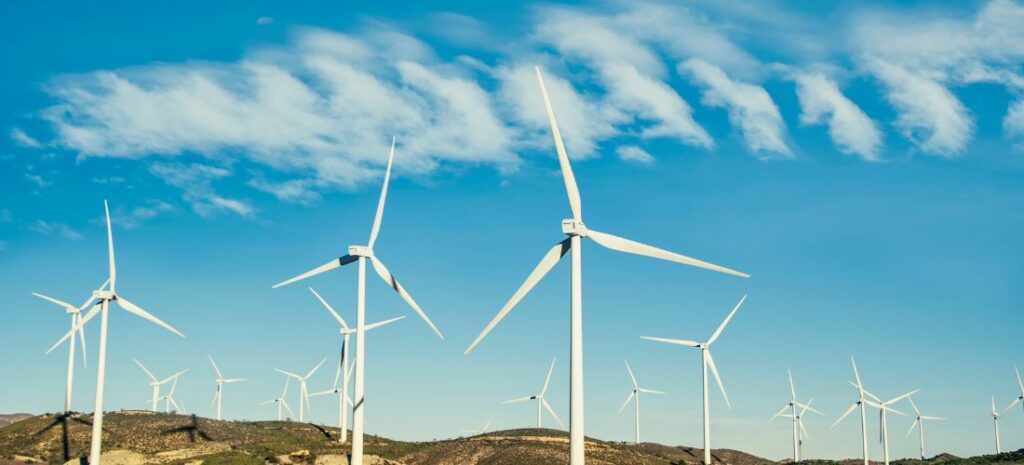
Wind energy is becoming one of the most important clean power sources in the world, working alongside solar energy to reduce our dependence on fossil fuels. Whether turbines are built on land or out at sea, both offshore and onshore wind energy play a major role in producing electricity in a sustainable way. Understanding the key differences between them helps governments, businesses, and even students make better decisions about renewable energy. As someone who has worked closely with renewable energy content and real-world project research, I’ve noticed that many people think “wind energy is just wind energy.” In reality, where the turbine is placed changes everything-from cost and efficiency to environmental impact and long-term benefits. This guide explains those differences in simple language, with clear structure and practical insights. What Is Wind Energy? Wind energy is electricity generated by converting the natural movement of air into power using wind turbines. When wind flows over the turbine blades, it causes them to rotate. This rotation drives a generator that produces electricity. Key points about wind energy: It is renewable and does not run out It produces no direct carbon emissions It works day and night, unlike solar energy which depends on sunlight It can be produced on land (onshore) or at sea (offshore) Both offshore and onshore wind energy use the same basic technology, but their performance, costs, and challenges are very different. What Is Onshore Wind Energy? Onshore wind energy refers to wind turbines installed on land. These turbines are usually placed in open areas such as: Agricultural fields Hills and ridges Deserts and plains Rural or less populated regions From my experience reviewing Indian and global renewable projects, onshore wind farms are often chosen first because they are easier to build and maintain. How Onshore Wind Energy Works Turbines capture wind blowing across land Electricity is generated and sent directly to the local grid Access roads and transmission lines are built nearby Onshore wind has been used for over a century, initially for mechanical work like water pumping and grain milling. Modern onshore wind farms are now large-scale electricity producers. Advantages of Onshore Wind Energy 1. Lower Installation Cost Onshore wind energy is one of the most affordable renewable energy sources today. Compared to offshore wind energy: Construction is simpler Transportation of equipment is easier No marine foundations are needed This is why onshore wind often competes directly with solar energy in terms of cost per unit. 2. Easier Maintenance Since turbines are on land: Repairs can be done quickly No special ships or marine crews are required Downtime is usually shorter This practical advantage makes onshore wind energy attractive for developing countries. 3. Faster Project Development Onshore wind farms can be completed in months rather than years. In many regions: Permits are simpler than offshore Grid connection is faster Scaling up is easier 4. Land Can Still Be Used One important real-world benefit I’ve seen is that land under turbines can still be: Farmed Used for grazing Used for roads or storage This makes onshore wind energy compatible with agriculture. Limitations of Onshore Wind Energy Despite its benefits, onshore wind energy also has challenges. 1. Visual and Noise Concerns Local communities sometimes object to: The appearance of turbines Shadow flicker Low-level noise These concerns can delay or block projects. 2. Lower Wind Speeds Wind on land is: Less consistent Slower compared to offshore winds More affected by buildings, trees, and terrain This reduces overall energy output compared to offshore wind energy. 3. Land Availability Issues In densely populated areas: Finding large open spaces is difficult Competing land use can limit expansion What Is Offshore Wind Energy? Offshore wind energy is generated by wind turbines installed in oceans or large water bodies, usually far from the coastline. These turbines capture strong and steady sea winds, making them highly efficient. From an energy planning perspective, offshore wind energy is often seen as the next big step after onshore wind and solar energy. How Offshore Wind Energy Works Turbines are mounted on fixed or floating foundations Power is transmitted through underwater cables Electricity is brought to shore and connected to the grid Offshore wind farms are usually larger and more powerful than onshore ones. Advantages of Offshore Wind Energy 1. Higher Energy Production One of the biggest advantages of offshore wind energy is efficiency. Wind speeds at sea are higher Wind direction is more consistent Turbines operate at higher capacity This means fewer turbines can produce more electricity compared to onshore wind energy. 2. Minimal Visual Impact Since offshore wind farms are far from shore: They are barely visible from land Noise does not affect communities This reduces public opposition. 3. Massive Space Availability Oceans offer vast open areas, allowing: Larger wind farms Bigger turbines Future expansion without land conflicts This is something solar energy and onshore wind energy cannot always provide. 4. Long-Term Energy Security Countries with long coastlines see offshore wind energy as a stable, long-term solution to: Meet rising electricity demand Reduce fossil fuel imports Support net-zero goals Limitations of Offshore Wind Energy 1. High Initial Cost Offshore wind energy is more expensive because: Foundations are complex Installation requires ships and marine crews Underwater cables add cost This makes offshore wind energy costlier than onshore wind and solar energy at present. 2. Complex Maintenance Maintenance at sea is challenging: Weather conditions can delay repairs Access is limited Operational costs are higher 3. Environmental Considerations While offshore wind energy is clean, careful planning is needed to: Protect marine life Avoid shipping routes Minimize seabed disturbance Offshore vs Onshore Wind Energy: Key Differences Table Factor Onshore Wind Energy Offshore Wind Energy Location On land In oceans or large water bodies Installation Cost Lower Higher Wind Speed Moderate and variable Strong and consistent Energy Output Lower per turbine Higher per turbine Maintenance Easier and cheaper Complex and expensive Visual Impact Visible on land Minimal from shore Land/Space Use Limited by land availability Vast open sea space Project Timeline Faster Slower
Solar Thermal Energy: Meaning, Working & Benefits
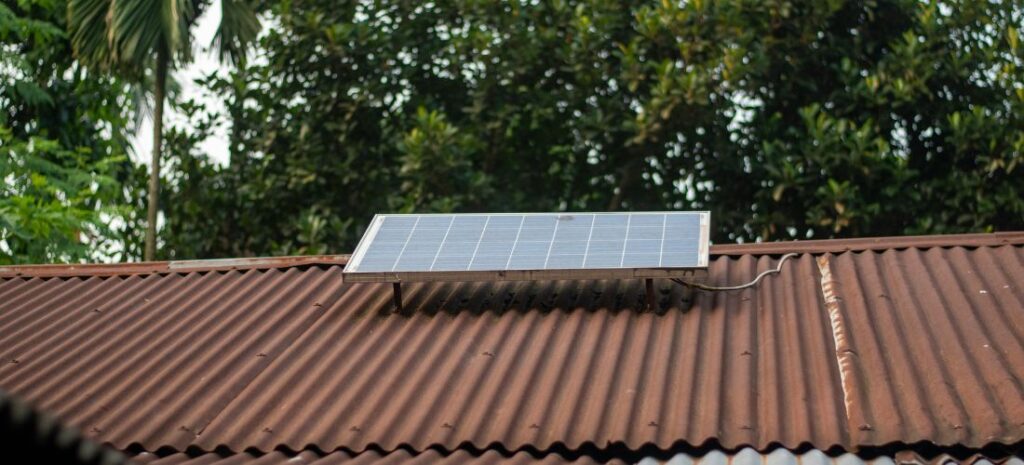
Solar thermal energy is a smart and practical way to use solar energy for heat-related needs. Instead of making electricity directly, solar thermal systems capture sunlight and convert it into heat, which can be used for hot water, space heating, industrial processes, and even electricity generation in some cases. Because it is simple, reliable, and cost-effective, solar thermal technology is widely used across homes, businesses, and industries. What Is Solar Thermal Energy? Solar thermal energy is a renewable energy technology that uses sunlight to produce heat. This heat is collected using solar thermal panels (also called solar collectors) and then transferred to water or another heat-carrying fluid. The stored heat can be used immediately or later, depending on the system design. Unlike photovoltaic (PV) systems, which convert sunlight into electricity, solar thermal energy focuses on heat generation. This makes it especially useful for applications where heat is required directly, such as water heating, space heating, and industrial processes. Also Know : Commercial Solar System How Solar Thermal Energy Works The working process of solar thermal systems is easy to understand and very efficient. 1. Sunlight Capture by Solar Thermal Panels Solar thermal panels are installed on rooftops or open areas where they receive maximum sunlight. These panels absorb solar radiation and convert it into heat. 2. Heating the Heat Transfer Fluid Inside the panels, a fluid (usually water, antifreeze solution, or thermal oil) flows through pipes. The absorbed heat raises the temperature of this fluid. 3. Heat Transfer and Storage The hot fluid moves to a storage tank through natural circulation (thermosyphon) or a small pump. The heat is transferred to water stored in the tank. 4. Heat Usage The stored hot water or heat is then used for: Domestic hot water Space heating Industrial heating Supporting cooling systems (absorption chillers) Power generation (in large solar thermal plants) This entire process uses minimal electricity, making solar thermal energy highly energy-efficient. Types of Solar Thermal Systems Solar thermal systems are designed based on temperature needs and applications. Low-Temperature Solar Thermal Systems Used for domestic hot water Swimming pools Space heating Operate below 100°C Medium-Temperature Solar Thermal Systems Used in commercial buildings Food processing Textile and chemical industries Operate between 100°C and 250°C High-Temperature Solar Thermal Systems Used for electricity generation Large-scale solar power plants Operate above 250°C using concentrated solar power (CSP) Common Types of Solar Thermal Panels Flat Plate Collectors Most common and affordable Suitable for homes and small businesses Long lifespan and low maintenance Evacuated Tube Collectors Higher efficiency than flat plate collectors Work well in cold climates Slightly higher cost but better performance Concentrated Solar Collectors Used in power plants Use mirrors to concentrate sunlight Generate very high temperatures Key Benefits of Solar Thermal Energy 1. Renewable and Environment-Friendly Solar thermal energy uses sunlight, which is unlimited and free. It produces no greenhouse gas emissions during operation, helping reduce air pollution and climate change. 2. High Energy Efficiency Solar thermal systems can convert 60–80% of sunlight into usable heat, which is much higher than many other renewable technologies. 3. Lower Energy Bills Using solar thermal panels for hot water can reduce electricity or gas bills significantly, especially in homes and hotels. 4. Low Operating and Maintenance Costs Once installed, solar thermal systems require minimal maintenance and have low running costs. 5. Long System Life Most solar thermal panels last 20–25 years with proper maintenance. 6. Works Well with Existing Systems Solar thermal can be combined with: Electric heaters Gas boilers Heat pumps This makes it a flexible solution. 7. Energy Independence By using solar energy, users reduce dependency on fossil fuels and rising energy prices. Applications of Solar Thermal Energy Solar thermal energy is highly versatile and used across many sectors. Residential Use Hot water for bathrooms and kitchens Space heating in winter Solar water heaters Commercial Buildings Hotels and hospitals Schools and hostels Office buildings Industrial Applications Food processing Textile drying Chemical manufacturing Water desalination Agriculture Greenhouse heating Crop drying Dairy processing Power Generation Concentrated solar thermal plants Hybrid solar power systems Solar Thermal Energy vs Solar Photovoltaic Energy Both use solar energy, but their purpose and working are different. Feature Solar Thermal Energy Solar Photovoltaic Energy Main Output Heat Electricity Efficiency High (for heat) Moderate Best For Hot water, heating Power generation Storage Thermal storage (cheap) Battery storage (costly) Maintenance Low Low Initial Cost Lower Higher Both technologies complement each other and can be used together for maximum benefit. Why Solar Thermal Energy Is Still Relevant Today With rising electricity costs and increasing focus on sustainability, solar thermal energy remains one of the most practical renewable solutions, especially in sunny countries like India. In real-world usage: Homes save money on water heating Industries reduce fuel consumption Commercial buildings cut operational costs Solar thermal energy often delivers faster return on investment compared to other renewable technologies. Cost and Savings of Solar Thermal Systems Initial Cost The upfront cost depends on: Type of solar thermal panels Capacity (liters per day) Installation location Long-Term Savings Reduced electricity or gas bills Minimal maintenance expenses Government subsidies in some regions Most users recover their investment within 3–5 years, depending on usage. Maintenance and Durability Solar thermal systems are known for durability. Maintenance Requirements Annual inspection Cleaning panels 2–3 times a year Checking insulation and pipes System Lifespan Solar thermal panels: 20–25 years Storage tanks: 10–15 years Proper maintenance ensures consistent performance for decades. How to Choose the Right Solar Thermal System Before installation, consider: Daily hot water requirement Available roof space Local climate conditions Budget and long-term goals Consulting a professional installer helps in selecting the most efficient system. Role of Solar Thermal Energy in a Sustainable Future Solar thermal energy supports global sustainability goals by: Reducing fossil fuel use Lowering carbon emissions Supporting clean energy transition When combined with solar energy systems like photovoltaics, it creates a balanced and reliable renewable energy solution. Solar Thermal Energy and E-E-A-T Perspective Experience Solar thermal systems are already in use across homes,
