
The Future of Solar Power
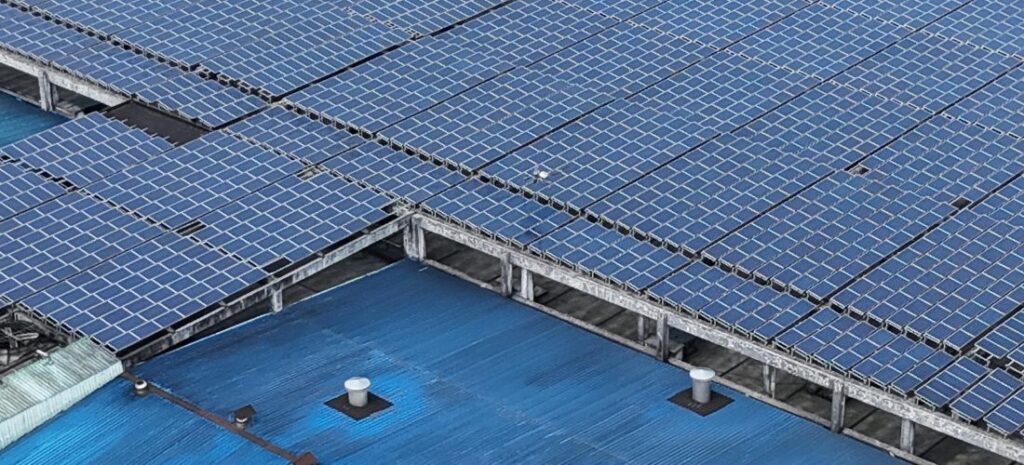
The future of solar power looks brighter than ever as countries, businesses, and households shift toward clean and renewable energy. The future of solar energy is driven by falling costs, better solar panels, smart technology, and strong government support, making solar energy one of the most reliable solutions for long-term power needs. Introduction: Why the Future of Solar Energy Matters The future of solar power is no longer just a concept-it is already becoming a reality across the world. As fossil fuels become expensive and climate concerns grow, solar energy is emerging as a practical, affordable, and sustainable solution. The future of solar energy depends on innovation, smarter grids, advanced solar panels, and widespread adoption of solar rooftop systems for homes and businesses. From small houses using rooftop solar to large-scale solar farms powering cities, the future of the solar industry and renewable energy is reshaping how electricity is produced and consumed. Understanding Solar Energy in Simple Terms Solar energy is electricity generated by capturing sunlight using solar panels. These panels convert sunlight into direct current (DC) electricity, which is then converted into usable alternating current (AC) using an inverter. Basic Components of a Solar System Solar panels Inverter Mounting structure Wiring and safety equipment Battery (optional, for storage) In the future of solar power, these systems will become more efficient, compact, and affordable for everyone. Why the World Is Moving Toward Solar Power The global energy transition is happening fast, and solar energy is leading the way. Key Reasons Solar Energy Is Growing Unlimited and free sunlight Lower electricity bills Reduced carbon emissions Energy independence Low maintenance Long lifespan of solar panels (25-30 years) According to international energy agencies, solar power is expected to contribute a major share of new electricity generation worldwide over the next decade. This clearly shows the strength of the future of solar industry renewable energy. The Future of Solar Power Globally The future of solar energy at a global level is shaped by technology, policy, and awareness. Global Solar Growth Highlights Solar is now one of the cheapest power sources Utility-scale solar farms are expanding rapidly Solar rooftops are increasing in urban areas Energy storage is improving grid reliability Countries like China, the USA, Germany, and India are heavily investing in solar energy, strengthening the global future of solar power. The Future of Solar Energy in India India plays a crucial role in the future of solar power. With high sunlight availability and growing energy demand, solar energy is a natural choice. India’s Solar Vision National Solar Mission Target of hundreds of GW solar capacity by 2030 Promotion of solar rooftop systems Support for domestic solar panel manufacturing Solar energy helps India reduce dependence on coal, cut pollution, and provide electricity to rural areas. Solar Rooftop Systems: Powering Homes and Businesses The solar rooftop segment is one of the fastest-growing areas in the solar industry. Why Solar Rooftop Is the Future Uses unused roof space Reduces monthly electricity bills Easy installation Suitable for homes, schools, hospitals, and offices In the future of solar power, rooftop solar will become a standard feature in new buildings. Advancements in Solar Panels Solar panels are the heart of any solar system. Continuous improvements are shaping the future of solar energy. Types of Solar Panels Monocrystalline solar panels Polycrystalline solar panels Thin-film solar panels Monocrystalline panels are currently the most efficient and widely used for residential and commercial projects. Efficiency Improvements Higher power output in less space Better performance in low-light conditions Longer lifespan These improvements make solar energy more accessible and cost-effective. Role of Energy Storage in the Future of Solar Power One major challenge of solar energy is that sunlight is not available at night. Energy storage solves this problem. Why Solar Storage Is Important Stores excess daytime energy Provides power during outages Improves grid stability Enables off-grid living In the future of solar energy, battery prices will drop, making solar-plus-storage systems common for homes and industries. Floating Solar Projects: A Smart Use of Space Floating solar power plants are installed on water bodies like reservoirs and lakes. Benefits of Floating Solar Saves land Improves panel efficiency due to cooling Reduces water evaporation Ideal for countries with land constraints Floating solar is an important innovation in the future of solar industry renewable energy. Perovskite Solar Cells: A Game Changer Perovskite solar cells are next-generation solar technology. Why Perovskite Cells Matter Low manufacturing cost High efficiency potential Lightweight and flexible Though still under development, they could redefine the future of solar power in the coming years. Bifacial Solar Panels: More Power from Both Sides Bifacial panels generate electricity from both the front and back sides. Advantages Higher energy output Better performance on reflective surfaces Ideal for large solar farms This technology improves the efficiency of solar projects without increasing land use. AI and Smart Technology in Solar Energy Artificial intelligence is playing a growing role in the future of solar energy. How AI Helps Solar Systems Predicts energy generation Detects faults early Optimizes panel performance Reduces maintenance cost Smart solar systems will become the norm in the future. Solar Power and the Circular Economy Sustainability goes beyond clean energy generation. Circular Economy in Solar Recycling old solar panels Reusing materials like glass and silicon Reducing manufacturing waste This approach ensures the future of solar industry renewable energy remains environmentally responsible. Solar Power Cost Trends Below is a basic and standard cost table to help users understand pricing trends. Solar System Type Approx Basic Cost (India) Suitable For 1 kW Solar Rooftop ₹55,000 – ₹75,000 Small homes 3 kW Solar Rooftop ₹1.6 – ₹2.1 lakh Medium homes 5 kW Solar System ₹2.6 – ₹3.5 lakh Large homes Commercial Solar ₹45,000 – ₹60,000 per kW Businesses Utility-Scale Solar Varies widely Solar farms Disclaimer: The prices mentioned above are basic and standard estimates. Actual solar system prices may vary depending on location, brand, government policies, installation conditions, and market fluctuations. These figures are only for general understanding and not a
What Are the Different Types of Renewable Energy?
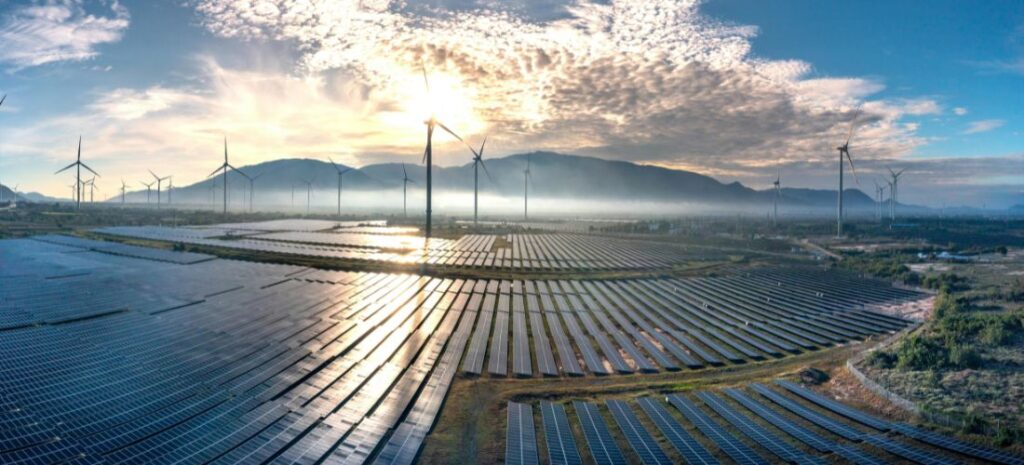
Renewable Energy and Sustainable Energy are becoming the backbone of the modern power system as countries look for cleaner, long-term solutions to meet rising electricity demand. These energy sources come from nature, replenish naturally, and help reduce dependence on fossil fuels while supporting environmental balance. In this guide, we’ll clearly explain what renewable energy is, the different types of renewable energy sources, how they work, their benefits, limitations, and how they fit into the future of sustainable development. The goal is not just to define terms, but to help you genuinely understand how renewable energy impacts daily life, businesses, and the planet. What Is Renewable Energy? Renewable energy is energy generated from natural sources that do not run out over time. These sources are continuously replenished by natural processes such as sunlight, wind, water flow, and biological growth. Because of this, renewable energy is often considered a key pillar of sustainable energy systems. Unlike fossil fuels, which take millions of years to form and release harmful greenhouse gases when burned, renewable energy sources generally produce little to no carbon emissions during electricity generation. This makes them essential in reducing climate change risks and improving air quality. Common characteristics of renewable energy sources include: Naturally replenished within a short time Lower environmental impact compared to fossil fuels Can be locally produced, reducing energy imports Support long-term energy security Why Renewable Energy Matters Today The global energy demand is increasing due to population growth, urbanization, and industrial expansion. Relying only on non-renewable energy sources like coal, oil, and natural gas is not sustainable in the long run. Renewable Energy helps address major global challenges such as: Climate change and global warming Air and water pollution Energy security and price volatility Sustainable economic growth Governments, businesses, and households are increasingly shifting toward sustainable energy solutions to ensure a cleaner and more reliable future. The Most Common Types of Renewable Energy There are several types of renewable energy sources used worldwide. Each works differently and contributes in its own way to the overall energy mix. Below is a simple overview table for quick understanding. Type of Renewable Energy Primary Source Common Use Reliability Solar Energy Sunlight Electricity, heating Medium (weather dependent) Wind Energy Wind Electricity Medium to High Hydroelectric Energy Flowing water Electricity High Bioenergy Organic matter Electricity, fuel Medium Geothermal Energy Earth’s heat Electricity, heating Very High Tidal & Wave Energy Ocean movement Electricity High but location-specific Solar Energy Solar energy is one of the most widely recognized forms of renewable energy. It uses sunlight to generate electricity or heat through solar technologies. Solar power systems mainly work through photovoltaic (PV) panels, which convert sunlight directly into electricity using the photovoltaic effect. These systems can be installed on rooftops, open land, or integrated into buildings. Key Advantages of Solar Energy Abundant and freely available source Low maintenance once installed Suitable for residential, commercial, and industrial use Reduces electricity bills over time Limitations of Solar Energy Depends on sunlight availability Lower efficiency during cloudy or rainy days Requires space for large-scale installations Despite limitations, solar energy remains a cornerstone of sustainable energy strategies worldwide. Wind Energy Wind energy uses the natural movement of air to generate electricity. Wind turbines convert the kinetic energy of wind into mechanical power, which is then transformed into electrical energy through a generator. Wind farms can be located on land (onshore) or in water bodies (offshore). Offshore wind farms generally produce more consistent energy due to stronger and steadier winds. Benefits of Wind Energy Clean and renewable power source No fuel cost after installation Can coexist with agriculture and grazing land Challenges of Wind Energy Energy output varies with wind speed Visual and noise concerns in some areas High initial setup cost Wind energy plays a major role in reducing carbon emissions in many countries. Hydroelectric Energy Hydroelectric energy is produced by harnessing the movement of flowing or falling water. It is one of the oldest and most reliable renewable energy sources. Hydropower plants typically use dams to control water flow, which spins turbines connected to generators. Apart from dams, hydroelectric energy also includes small hydro projects, tidal power, and wave energy. Advantages of Hydroelectric Energy Highly reliable and consistent Capable of large-scale electricity generation Supports grid stability Limitations of Hydroelectric Energy High environmental impact if not planned carefully Limited suitable locations High initial construction cost Hydropower remains a key contributor to global sustainable energy production. Bioenergy (Biomass Energy) Bioenergy is generated from organic materials such as agricultural waste, wood, animal manure, and food waste. These materials are known as biomass. When biomass is burned or processed, it releases energy that can be converted into electricity, heat, or fuel. Although carbon dioxide is released, bioenergy is considered renewable because plants absorb carbon as they grow. Advantages of Bioenergy Uses waste materials efficiently Supports rural economies Can provide continuous power Drawbacks of Bioenergy Emissions during combustion Requires careful resource management Not entirely carbon-free Bioenergy bridges the gap between waste management and sustainable energy production. Geothermal Energy Geothermal energy comes from the heat stored beneath the Earth’s surface. This heat can be used directly for heating or converted into electricity using geothermal power plants. Unlike solar or wind, geothermal energy is available 24/7, making it one of the most reliable renewable energy sources. Benefits of Geothermal Energy Extremely reliable Low land footprint Minimal emissions Limitations of Geothermal Energy Location-specific availability High initial drilling costs Requires advanced technology Geothermal energy is a strong long-term solution for sustainable energy where geological conditions allow. Tidal and Wave Energy Tidal and wave energy harness the power of ocean movements caused by gravitational forces and wind. These technologies are still developing but hold great potential. Tidal energy uses predictable tidal cycles, while wave energy captures surface wave motion to generate electricity. Pros of Ocean Energy Highly predictable Huge energy potential Low carbon emissions Cons of Ocean Energy High development costs Limited suitable locations Technology still evolving Ocean energy represents the future frontier of renewable energy
Renewable Energy vs Sustainable Energy: What’s the Real Difference?
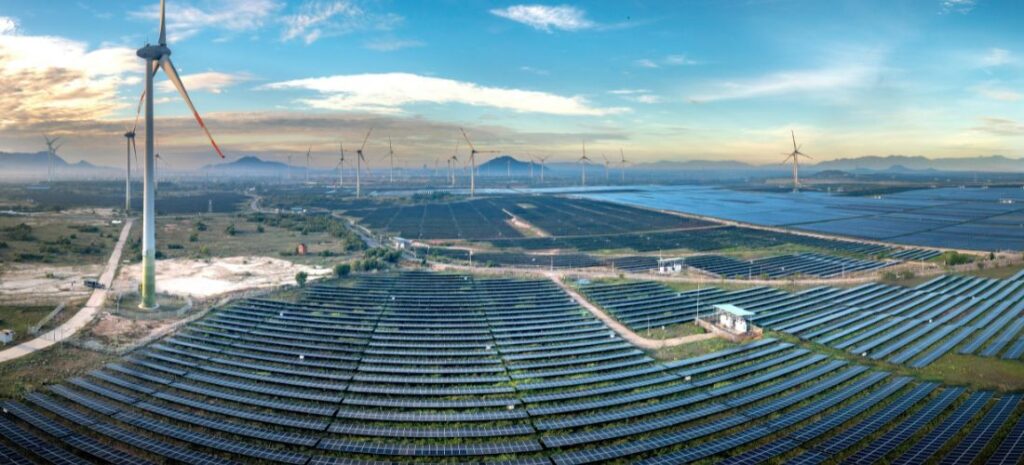
Renewable energy and sustainable energy are often used as the same thing, but they are not exactly alike. Renewable energy comes from natural sources that refill themselves, while sustainable energy focuses on using energy in a way that does not harm future generations. Understanding the difference helps people, businesses, and governments make better energy choices. As climate change, rising power costs, and pollution become serious concerns, knowing how renewable energy and sustainable energy work and how they differ is more important than ever. Introduction: Why People Confuse Renewable Energy and Sustainable Energy Many articles, ads, and even policies use the terms renewable energy and sustainable energy interchangeably. This creates confusion. While they are closely related, they are not the same concept. Renewable energy is about where energy comes from Sustainable energy is about how energy is produced, used, and managed over time Some renewable energy sources may not always be sustainable if they cause environmental damage or social harm. At the same time, all sustainable energy solutions aim to protect nature, people, and the economy in the long run. Understanding this difference is the first step toward smarter energy decisions. What Is Renewable Energy? Renewable energy is energy generated from natural sources that are continuously replenished. These sources do not run out with use, unlike coal, oil, or natural gas. Common renewable energy sources include: Sunlight Wind Water Organic waste Earth’s natural heat These energy sources are considered renewable because nature replaces them faster than humans consume them. Key Benefits of Renewable Energy Renewable energy offers several clear advantages: Reduces dependence on fossil fuels Produces less air pollution Helps cut greenhouse gas emissions Supports energy security Creates local jobs Because of these benefits, renewable energy plays a major role in global climate and energy policies. Major Types of Renewable Energy 1. Solar Energy Solar energy uses sunlight to produce electricity through solar panels. It can be installed on rooftops, open land, factories, farms, and even remote areas. Key points: Works well in sunny regions Low maintenance after installation Suitable for homes, businesses, and agriculture India has become one of the fastest-growing solar markets in the world due to abundant sunlight and supportive government policies. 2. Wind Energy Wind energy converts moving air into electricity using wind turbines. Wind farms are commonly built in coastal areas, plains, and hill regions. Key points: Clean and renewable Requires open land or offshore areas Generates power mainly when wind speeds are sufficient 3. Hydropower Hydropower uses flowing water to generate electricity. It has been used for decades and provides steady power. Key points: Reliable source of electricity Can support large power demands Environmental impact depends on project design 4. Biomass Energy Biomass energy is produced from organic materials like crop waste, animal waste, and wood residues. Key points: Helps manage agricultural waste Can provide power and heat Sustainability depends on responsible sourcing 5. Geothermal Energy Geothermal energy uses heat from beneath the Earth’s surface. Key points: Reliable and constant energy source Limited to specific locations Low emissions when managed properly 6. Tidal and Ocean Energy Tidal energy uses ocean movements to generate electricity. Key points: Highly predictable Still developing commercially High installation cost What Is Sustainable Energy? Sustainable energy is energy that meets current needs without harming the ability of future generations to meet their own needs. It balances three important factors: Environmental protection Social responsibility Economic viability Sustainable energy focuses not just on clean sources but also on how energy systems impact people and ecosystems over time. Core Principles of Sustainable Energy Sustainable energy systems aim to: Reduce long-term environmental damage Ensure fair access to energy Support economic growth Use resources responsibly Promote efficiency and conservation This means that even renewable energy must be planned and managed carefully to be truly sustainable. Examples of Sustainable Energy Practices Sustainable energy includes: Well-managed solar and wind projects Energy-efficient buildings Smart power grids Energy storage solutions Responsible hydropower development Clean cooking solutions Energy efficiency is a major part of sustainability because the cleanest energy is the energy we do not waste. Renewable Energy vs Sustainable Energy: Key Differences Explained The easiest way to understand the difference is this: Renewable energy focuses on the source Sustainable energy focuses on the long-term impact A renewable energy project can still cause harm if it: Destroys ecosystems Displaces communities Uses resources irresponsibly Sustainable energy avoids these problems by considering environmental, social, and economic effects together. Renewable Energy vs Sustainable Energy: Comparison Table Aspect Renewable Energy Sustainable Energy Definition Energy from naturally replenishing sources Energy that supports long-term environmental and social well-being Focus Energy source Long-term impact and responsible use Environmental impact Low emissions, but not always eco-friendly Designed to minimize harm Long-term vision Source availability Future generations’ needs Includes efficiency Not always Yes Social impact Limited focus Strong focus Key idea Nature refills the source People and planet are protected Is All Renewable Energy Sustainable? No. This is one of the most misunderstood points. While renewable energy sources refill naturally, they are not automatically sustainable. For example: Poorly managed biomass can cause deforestation Large hydropower projects can disrupt ecosystems Improper solar waste disposal can harm the environment Sustainability depends on how renewable energy is planned, built, and operated. Why Sustainable Energy Matters More Than Ever Climate Change and Environmental Protection The planet has warmed significantly due to fossil fuel use. Rising temperatures have led to: Melting glaciers Sea level rise Extreme weather events Sustainable energy helps reduce carbon emissions and protects ecosystems. Energy Security and Economic Stability Sustainable energy: Reduces dependence on imported fuels Protects countries from fuel price shocks Encourages local energy production This strengthens national energy security. Health and Social Benefits Cleaner energy leads to: Better air quality Fewer respiratory diseases Improved quality of life Sustainable energy also supports rural development and job creation. Renewable and Sustainable Energy in India India is actively expanding both renewable energy and sustainable energy systems. Key national goals include: Increasing non-fossil fuel power capacity Reducing emissions intensity Improving energy access Solar