
Manufacturing Process of Solar Panels: A Comprehensive Guide
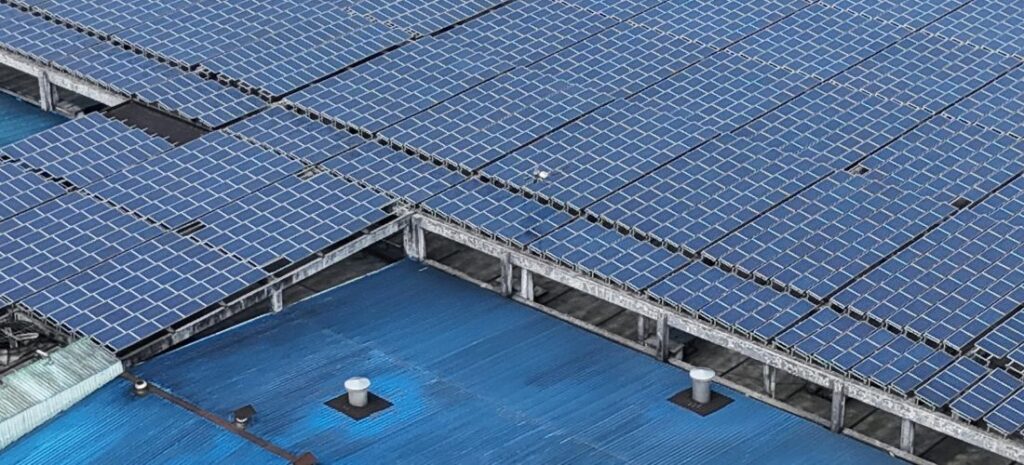
Solar panel manufacturing is the backbone of solar energy generation. Every solar panel you see on a rooftop or solar plant goes through a detailed, carefully controlled process to ensure it produces clean, reliable power for 25 years or more. I This article is written to genuinely help you understand the topic-whether you’re a student, business owner, EPC contractor, or someone planning to invest in solar energy with KLK India. Why Understanding the Solar Panel Manufacturing Process Matters Before buying or installing a solar panel, most people focus only on price and wattage. But the manufacturing process of solar panels directly impacts: Power output and efficiency Durability in Indian weather conditions Long-term performance and degradation rate Safety and reliability When you understand how a solar panel is made, you can make smarter decisions, avoid low-quality products, and get better returns from solar energy. What Is a Solar Panel Made Of? A solar panel is not a single sheet of glass. It’s a combination of multiple layers, each with a specific role in converting sunlight into electricity. Main Components of a Solar Panel Silicon solar cells – Convert sunlight into electricity Tempered glass – Protects cells from weather EVA (Ethylene Vinyl Acetate) sheets – Encapsulate and cushion cells Backsheet – Provides insulation and protection Aluminium frame – Gives strength and mounting support Junction box – Transfers generated power to external cables Each component goes through its own preparation stage before final assembly. Types of Solar Panels Based on Manufacturing Before diving into the manufacturing steps, it’s important to know the types of solar panels, because the process slightly varies. 1. Monocrystalline Solar Panels Made from a single crystal of silicon Higher efficiency Longer lifespan Slightly higher cost 2. Polycrystalline Solar Panels Made from multiple silicon crystals Lower efficiency than mono More affordable Widely used in large solar projects 3. Thin-Film Solar Panels Made by depositing thin layers of photovoltaic material Lightweight and flexible Lower efficiency Used in specific applications Most manufacturers, including KLK India, focus mainly on monocrystalline and polycrystalline solar panels because they offer the best balance of performance and cost. Raw Materials Used in Solar Panel Manufacturing The quality of raw materials plays a major role in solar panel performance. Key Raw Materials High-purity silicon Silver paste (for electrodes) Aluminium (for frames) Copper (for wiring) Glass (low-iron tempered glass) High-grade raw materials ensure better efficiency and lower degradation over time. Step-by-Step Manufacturing Process of Solar Panels Now let’s understand the solar panel manufacturing process step by step, from raw silicon to a finished panel ready for installation. Step 1: Silicon Purification Silicon is the heart of every solar panel. However, natural silicon contains impurities and must be purified. How It Works Silicon is extracted from sand (silica) It is heated in a furnace at very high temperatures Impurities are removed to get 99.99% pure silicon This purified silicon is called solar-grade silicon. Why it matters: Higher purity silicon = better solar energy conversion. Step 2: Silicon Ingot Formation Purified silicon is melted and formed into solid blocks called ingots. Two Methods Monocrystalline ingots – Grown as a single crystal Polycrystalline ingots – Formed by cooling silicon in molds These ingots determine whether the final solar panel will be mono or poly type. Step 3: Wafer Slicing Silicon ingots are sliced into ultra-thin sheets called wafers. Key Points Thickness is around 160–180 microns Diamond wire saws are used for precision Wafers are cleaned to remove dust and damage Even a small crack in a wafer can affect the entire solar panel. Step 4: Doping the Silicon Wafers Doping is the process of adding small amounts of other elements to silicon. Purpose of Doping Improves electrical conductivity Creates positive (P-type) and negative (N-type) layers Common doping elements: Boron Phosphorus This step enables the wafer to generate electric current when sunlight hits it. Step 5: Anti-Reflective Coating Bare silicon reflects sunlight, which reduces efficiency. Solution A thin anti-reflective coating (usually silicon nitride) is applied Reduces reflection Helps absorb more solar energy That’s why solar cells appear dark blue or black. Step 6: Solar Cell Formation Now the wafer officially becomes a solar cell. What Happens Here Metal contacts (front and back) are added using silver and aluminium paste These contacts collect and transfer electricity Cells are tested for voltage and efficiency Cells that don’t meet quality standards are rejected at this stage. Step 7: Sorting and Grading of Solar Cells Not all solar cells perform equally. Cells Are Sorted Based On Efficiency (%) Power output Voltage consistency Only cells with similar ratings are grouped together. This ensures uniform performance in the final solar panel. Step 8: Module Assembly (Cell Stringing) Now multiple solar cells are connected together. Process Cells are soldered in series and parallel Form strings that match the panel’s wattage Precision machines ensure proper alignment Even small misalignment can reduce panel efficiency. Step 9: Lamination Process This is one of the most critical stages in solar panel manufacturing. Layer Structure (Top to Bottom) Tempered glass EVA sheet Solar cells EVA sheet Backsheet These layers are sealed together in a laminator under heat and vacuum. Result: A weatherproof, long-lasting solar panel structure. Step 10: Framing and Junction Box Installation Aluminium Frame Adds mechanical strength Helps with mounting Junction Box Fixed at the back of the panel Contains bypass diodes Ensures safe power transfer This step makes the solar panel ready for real-world installation. Step 11: Testing and Quality Checks Every solar panel must pass strict quality tests. Common Tests Flash test (measures power output) Insulation test Mechanical load test Hot spot test EL (Electroluminescence) test Only panels that meet international standards are approved for dispatch. Simple Table: Solar Panel Manufacturing Stages Stage Process Name Purpose 1 Silicon Purification Remove impurities 2 Ingot Formation Create silicon blocks 3 Wafer Cutting Make thin silicon wafers 4 Doping Improve conductivity 5 Anti-Reflective Coating Reduce light reflection 6 Cell Formation Generate electricity 7 Cell Sorting Ensure uniform performance 8 Module Assembly Connect cells 9