
Solar Rooftop vs Solar Panels – Which Solar Energy Option Is Best?
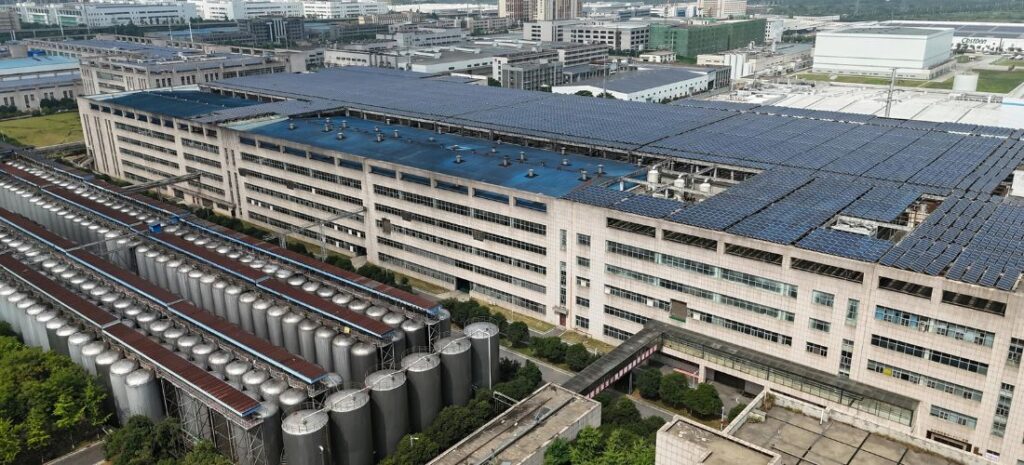
Renewable energy is no longer a future idea-it’s a real, practical solution, and solar energy is leading the way. When people think about switching to solar panels or a solar rooftop, the first question is usually simple: Which one is right for me? The answer depends on your roof, budget, power needs, and long-term plans-not just trends. This guide breaks everything down in clear, simple language so you can make a smart, confident decision without confusion or sales pressure. Introduction: Understanding Solar Energy Options As the world moves towards renewable energy, solar energy has become one of the easiest and most reliable ways to generate electricity. In India especially, with high sunlight availability, both solar rooftop systems and solar panels are popular choices for homes, businesses, schools, and factories. While people often use the terms interchangeably, solar rooftop and solar panels are not exactly the same thing. They serve the same goal—producing clean electricity—but they work differently and suit different needs. If you’re planning to invest in solar energy, understanding this difference can save you money, time, and future regret. What Is a Solar Rooftop System? A solar rooftop system is a complete setup installed on the roof of a building to generate electricity using sunlight. It usually includes: Solar panels Mounting structure Inverter Wiring and safety equipment The term solar rooftop refers to the entire system, not just the panels. It means your roof is being used as a power-generating space. There are two common types of solar rooftop systems: Grid-connected (On-grid) Off-grid or Hybrid (with battery backup) Most urban homes and commercial buildings choose grid-connected solar rooftops because they are cost-effective and easy to maintain. What Are Solar Panels? Solar panels are the main components of any solar energy system. They are made of photovoltaic (PV) cells that convert sunlight into electricity. When sunlight hits the panel: PV cells absorb sunlight Electrons start moving Electricity is generated in DC form The inverter converts it into AC electricity for daily use Solar panels can be installed: On rooftops On ground-mounted structures On sheds, parking areas, or open land In short, solar panels are the tools, and the solar rooftop is the system that uses them. Solar Rooftop vs Solar Panels: Core Difference Many people ask: Solar rooftop vs solar panels—what’s the real difference? Here’s the simplest way to understand it: Solar panels are individual units that generate electricity Solar rooftop is a complete power system using solar panels installed on your roof To make it clearer, here’s a simple comparison table. Solar Rooftop vs Solar Panels: Comparison Table Feature Solar Rooftop System Solar Panels Meaning Complete solar power setup on roof Individual power-generating units Includes Panels, inverter, wiring, structure Only panels Usage Direct electricity for home/business Needs system to function Installation Planned as a full project Installed as part of system Best for Long-term power savings Flexible energy setups Maintenance Low, system-based Depends on setup Scalability Limited by roof size Easy to add more panels How a Solar Rooftop System Works A solar rooftop system works quietly in the background once installed: Solar panels absorb sunlight during the day Electricity flows to the inverter Inverter converts power for appliances Extra electricity goes to the grid (in on-grid systems) You use solar power first, grid power only when needed This reduces electricity bills and dependence on conventional power. Benefits of Solar Rooftop Systems 1. Lower Electricity Bills Solar rooftops significantly reduce monthly power costs. In many homes, bills drop by 60–90%. 2. Better Use of Empty Roof Space Your roof becomes a productive asset instead of just a shelter. 3. Supports Renewable Energy Goals Using solar energy reduces carbon emissions and fossil fuel use. 4. Long-Term Investment Most systems last 25 years or more with minimal maintenance. 5. Net Metering Advantage In many regions, excess power sent to the grid earns credits. Benefits of Solar Panels 1. Proven Technology Solar panels have been used globally for decades and are reliable. 2. Flexible Installation They can be installed on different surfaces—not just rooftops. 3. Easy to Upgrade You can add more panels later as energy needs grow. 4. Cost Control You can start small and expand gradually. Which Option Is Better for Homes? For most residential users, a solar rooftop system is the better choice because: It’s designed for daily household consumption Works smoothly with the electricity grid Requires little involvement after installation However, if you have limited roof space or plan future expansion, focusing on high-efficiency solar panels within a rooftop system is important. Which Option Is Better for Businesses? Commercial users usually focus on: Power output Return on investment System scalability In this case: Solar rooftop systems work best for offices, schools, hospitals Solar panels with ground mounting suit factories or warehouses Cost Comparison: Solar Rooftop vs Solar Panels Below is a basic standard cost range to help you understand pricing. Actual prices may vary depending on location, brand, and installation conditions. System Size Approximate Cost (₹) 1 kW ₹50,000 – ₹70,000 3 kW ₹1.5 – ₹2.1 lakh 5 kW ₹2.5 – ₹3.5 lakh 10 kW ₹5 – ₹7 lakh Important Factors to Consider Before Choosing 1. Roof Size and Strength Older roofs may need reinforcement. 2. Sunlight Availability Shadows from trees or nearby buildings affect performance. 3. Daily Power Consumption Higher usage needs larger systems. 4. Budget Planning Initial investment vs long-term savings. 5. Local Policies Net metering and subsidies vary by state. Maintenance and Lifespan Solar panels last 25–30 years Inverters last 8–12 years Cleaning panels 2–4 times a year improves output Maintenance is simple and affordable. Environmental Impact By switching to solar energy: You reduce carbon footprint You support renewable energy adoption You reduce dependence on coal-based electricity A typical 5 kW solar rooftop can offset several tons of CO₂ over its lifetime. Solar Rooftop vs Solar Panels: Quick Decision Guide Choose Solar Rooftop if: You want complete power savings You have enough roof space You prefer a long-term solution Choose Solar Panels (flexible setup)
Can Solar Panels Run AC in India? Cost, Setup & Complete Guide
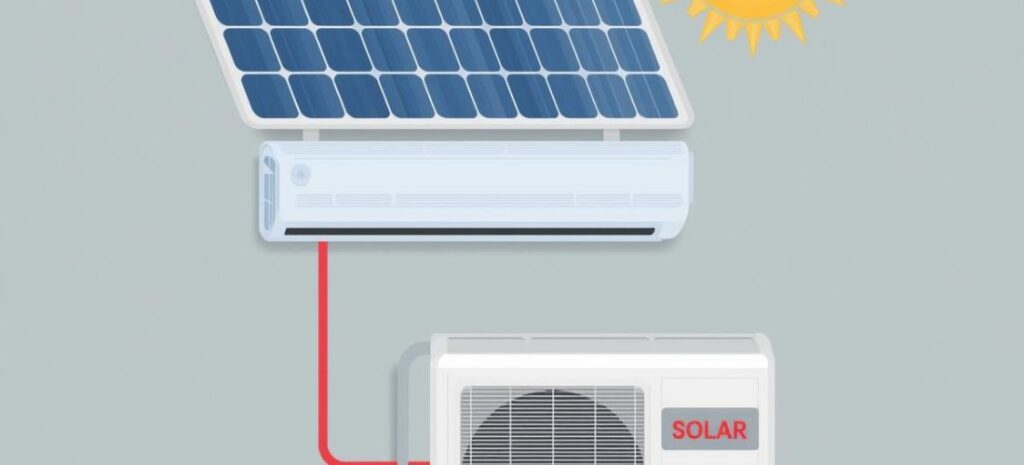
Solar panels are no longer just for lighting homes or running fans. With rising electricity bills and extreme summers, many Indian households are now asking a practical question: Can solar energy run an air conditioner? The short answer is yes, solar panels can run AC in India if the system is designed correctly. India receives abundant sunlight for most of the year, which makes solar energy a strong and reliable option for powering heavy appliances like air conditioners. In this guide, we’ll explain everything clearly-how it works, how much it costs, how many panels you need, and whether it’s worth it for your home. Why More Indians Want to Run AC on Solar Energy Indian summers are getting hotter every year. In many cities, ACs now run for 8-10 hours daily. This leads to: Very high electricity bills Heavy load on the power grid Frequent power cuts in peak summer Increased carbon footprint Solar energy offers a practical solution. Once installed, solar panels generate electricity from sunlight, reducing your dependence on the grid and cutting monthly bills. From my experience working with residential solar projects, most homeowners don’t want to go fully “off-grid.” Instead, they want solar panels to handle AC load during the day and reduce night-time consumption. This is both practical and cost-effective. Can Solar Panels Really Run an Air Conditioner? Yes, solar panels can run an AC, but not directly in most homes. An air conditioner needs: High starting power (surge load) Continuous running power Stable voltage A proper solar AC system uses: Solar panels An inverter (usually hybrid) Batteries (optional but recommended) Grid connection (in most cases) When designed correctly, solar energy can run your AC smoothly without damaging the appliance. Understanding AC Power Consumption in Simple Terms Before choosing solar panels, you must understand how much power your AC consumes. AC Power Demand Basics Startup Power: High power needed when AC compressor starts Running Power: Power used once AC is running normally Daily Units (kWh): Total electricity used per day Common AC Types & Power Consumption AC Type Startup Surge (Watts) Running Power (Watts) Daily Usage (8 Hours) Window AC (1 Ton) 2,000 – 2,500 W 900 – 1,200 W 7 – 9 units Split AC (1.5 Ton) 2,800 – 3,500 W 1,400 – 1,800 W 10 – 14 units Inverter AC (1.5 Ton) 2,000 – 2,500 W 1,000 – 1,300 W 8 – 10 units Central AC (3 Ton) 7,000 – 8,000 W 3,000 – 3,500 W 25 – 30 units Inverter ACs are best for solar energy because they consume less power and handle fluctuations better. How Solar Energy Matches AC Power Needs Solar panels generate electricity only during daylight hours. That’s why system design matters. Key Rule (Industry Standard) To run an AC reliably: Solar system size should be 125%-150% of AC running load This covers power losses, heat, and inverter efficiency For example: 1.5-ton AC (1.5 kW running load) Required solar panel capacity: 2 kW – 2.5 kW How Many Solar Panels Are Needed to Run an AC? There is no fixed number. It depends on: AC size Usage hours Location (sunlight availability) Panel wattage Simple Calculation Method Check AC running watts Multiply by usage hours Divide by average sun hours (India: 4–5 hours) Typical Solar Panel Requirements AC Type Solar Capacity Needed No. of Panels (400W) 1 Ton AC 1.5 – 2 kW 4 – 5 panels 1.5 Ton AC 2 – 3 kW 5 – 7 panels 2 Ton AC 3 – 4 kW 8 – 10 panels 3 Ton AC 6 – 8 kW 15 – 20 panels Rule of Thumb: For every 1 ton of AC, plan 1–1.2 kW of solar panels. Key Components Required to Run AC on Solar Panels 1. Solar Panels Solar panels convert sunlight into electricity. Best choice for AC systems: Monocrystalline panels 400W or higher Efficiency above 20% These panels generate more power in less space, which is important for rooftops. 2. Solar Inverter The inverter converts DC power from solar panels into AC power for your air conditioner. Recommended inverter type: Hybrid inverter (solar + grid + battery) High surge capacity (2x AC startup load) From real installations, I’ve seen AC failures mostly caused by low-quality or undersized inverters. Never compromise here. 3. Battery Batteries store excess solar energy for: Night use Cloudy days Power cuts If you want AC at night, batteries are necessary. Preferred battery type: Lithium-ion (longer life, faster charging) Minimum 5–10 kWh per AC 4. Net Metering (Grid Support) With net metering: Extra solar energy is exported to the grid You get credit units AC can run on grid at night This reduces battery cost and improves ROI. Cost of Running an AC on Solar Panels in India Cost depends on: System size Battery choice Panel brand Installation quality Estimated Cost Table (India) System Type Approximate Cost Payback Period 1.5 Ton AC (2.5 kW solar, no battery) ₹1.5 – ₹2.2 lakh 4–6 years 1.5 Ton AC (2.5 kW + battery) ₹3 – ₹4.5 lakh 6–8 years 3 Ton AC (8 kW hybrid system) ₹7 – ₹10 lakh 7–10 years Grid-tied solar (AC + home load) ₹2 – ₹5 lakh 4–6 years Government Subsidy & Benefits The Indian government supports rooftop solar through: Central Financial Assistance (CFA) State-level subsidies Net metering policies Subsidies mainly apply to grid-connected systems, not battery setups. This can reduce upfront cost by 20–30% in many states. Installation Tips South-facing roof gives best output Tilt angle: 15°–30° Avoid shade at all costs Use proper earthing and surge protection Install AC soft-starter for compressor safety A poorly installed system performs 20–25% worse, even with good panels. Is Your Home Suitable for Solar AC? Ideal Conditions Minimum 100–150 sq. ft. roof space per AC 4+ hours of sunlight daily High electricity bill Inverter or split AC Challenging Conditions Shaded roofs Old wiring Limited terrace space In such cases, high-efficiency panels or partial solar support works better. Advantages of Running AC on Solar Energy Huge electricity