
How Much Energy Does a Solar Panel Produce?
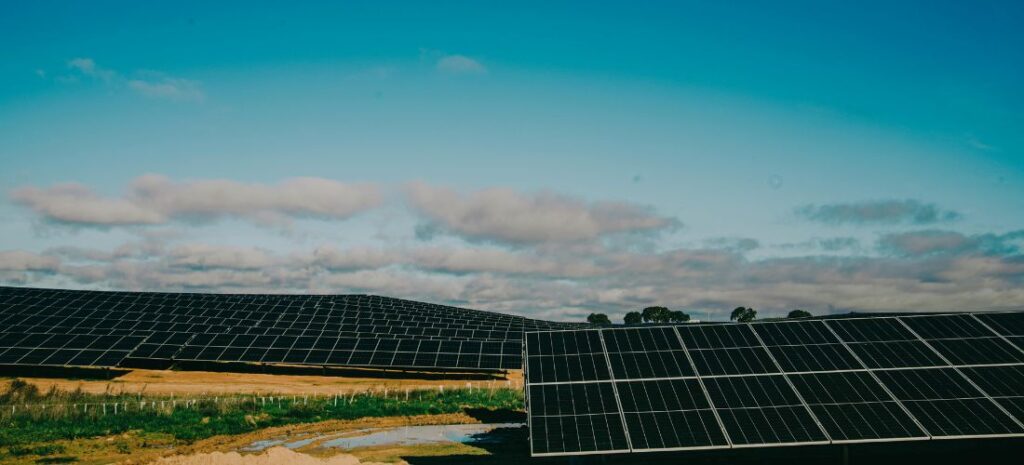
A solar panel converts sunlight into usable electricity, also known as solar energy, for homes and businesses. In simple terms, the amount of energy a solar panel produces depends on its size, efficiency, location, and how much sunlight it receives each day. Understanding this clearly helps you decide how many panels you need and whether solar power is worth the investment for you. What Does “Energy Produced by a Solar Panel” Really Mean? Before jumping into numbers, it’s important to understand one basic idea. Power (Watts) = how strong the solar panel is at a given moment Energy (Kilowatt-hours or kWh) = how much electricity the panel produces over time Think of it like water: Power is how fast water flows from a tap Energy is how much water you collect in a bucket over a day, month, or year When people ask, “How much energy does a solar panel produce?” they usually mean how many units (kWh) it generates over time. Average Energy Production of a Solar Panel A modern residential solar panel typically has a power rating of 350W to 450W, with 400W panels being the most common today. Average Energy Output of One Solar Panel Time Period Energy Produced (Approx.) 1 Day 1.5 – 2.5 kWh 1 Week 10 – 17 kWh 1 Month 45 – 75 kWh 1 Year 550 – 900 kWh On average, one solar panel produces about 2 kWh of electricity per day under normal conditions. That may not sound like much, but when you install multiple panels together, the numbers add up quickly. How Many Solar Panels Does a Home Usually Need? Most homes do not rely on just one solar panel. A typical household system includes 15 to 20 solar panels. Example: Average Home Solar System System Size Panels (400W each) Monthly Energy 3 kW 7–8 panels 350–450 kWh 5 kW 12–13 panels 600–750 kWh 6 kW 15 panels 750–900 kWh 10 kW 25 panels 1,200–1,500 kWh A 6 kW solar system is very common and can generate around 900 kWh per month, which is enough for many Indian and global households. What Is the Power Output of a Solar Panel? Power output is measured in watts (W) and tells you the maximum electricity a solar panel can produce under ideal conditions. Popular Solar Panel Power Ratings Brand Model Series Output Range Qcells Q.PEAK DUO 400–405 W JA Solar Deep Blue 3.0 390–400 W Canadian Solar HiKu6 All-Black 395–400 W REC Solar Alpha Pure 400–410 W Silfab Solar Silfab Prime 400–410 W These ratings are tested in labs using Standard Test Conditions (STC): Perfect sunlight Temperature of 25°C No dust, shade, or losses Real-world conditions are different, so actual solar energy production is usually 10-20% lower than lab ratings. Factors That Affect How Much Energy a Solar Panel Produces Several real-world factors decide how much solar energy you actually get. 1. Amount of Sunlight (Peak Sun Hours) The most important factor is how much sunlight your location receives. Peak sun hours mean the number of hours per day when sunlight is strong enough to produce full power. Location Type Peak Sun Hours / Day Very sunny areas 6 – 7.5 hours Moderate sunlight 4 – 5.5 hours Cloudy regions 3 – 4 hours A 400W solar panel: In a sunny area → ~2.8 kWh/day In a cloudy area → ~1.2 kWh/day Even on cloudy days, solar panels still produce electricity-just less. 2. Solar Panel Characteristics Not all solar panels are the same. Panel Type Monocrystalline – Highest efficiency, most popular Polycrystalline – Slightly less efficient, lower cost Thin-film – Lightweight, but lower energy output Most modern homes use monocrystalline solar panels because they produce more solar energy in less space. Panel Efficiency Older panels: 15-18% Modern panels: 20-24% Higher efficiency = more electricity from the same sunlight. 3. Roof Direction and Angle Your roof plays a big role in solar panel performance. Best Roof Direction South-facing roofs produce the most energy East or West-facing roofs work well too North-facing roofs produce the least energy Panel Direction Daily Energy (400W Panel) South 2.0 kWh East 1.7 kWh West 1.7 kWh North 1.4 kWh (Assumes 5 peak sun hours) Roof tilt, shading from trees, dust, and nearby buildings also affect solar energy production. 4. Age of the Solar Panel Solar panels slowly lose efficiency over time. This is called degradation. Average degradation rate: 0.5% per year After 25 years: panel works at ~85% capacity This is normal and already included in most solar system designs. How to Calculate How Much Energy a Solar Panel Produces You can estimate solar energy production using a simple formula: Solar Panel Energy (Wh) = Panel Wattage × Peak Sun Hours Step-by-Step Example Panel size: 400W Sunlight: 5 peak sun hours 400 × 5 = 2,000 Wh per day Convert to kWh: 2,000 ÷ 1,000 = 2 kWh per day Monthly and Yearly Output Daily: 2 kWh Monthly: 2 × 30 = 60 kWh Yearly: 2 × 365 = 730 kWh Multiply this by the number of panels to get your total system output. Power vs Energy: Simple Difference Term Meaning Unit Power Instant output Watts (W) Energy Power over time kWh Solar panels are rated in watts, but electricity bills are based on kilowatt-hours. How Much Energy Can Solar Panels Power in a Home? Here’s what 1 solar panel (2 kWh/day) can roughly run: LED lights for an entire day TV for 20–24 hours Ceiling fan for 15–18 hours Laptop for several days Now imagine 15–20 panels working together-that’s enough to power most household needs. Why Actual Solar Energy May Be Lower Than Expected Real-life losses happen due to: Dust and dirt on panels Inverter efficiency losses High temperatures Wiring and system losses That’s why solar installers usually design systems with a buffer so you still meet your energy needs. Is Solar Energy Worth It? Yes, because: You generate your own electricity You reduce dependency on the grid You save on electricity bills Solar panels last