
How Does a Solar Farm Work? And Their Benefits
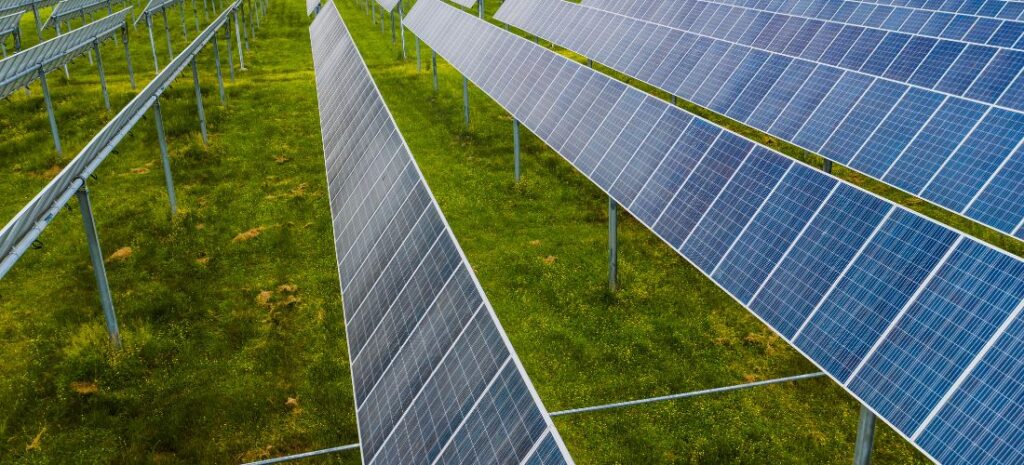
Solar farms are becoming one of the most important sources of clean energy across the world, especially solar farms in India, where sunlight is available for most of the year. As electricity demand rises and fossil fuel costs increase, large-scale solar power projects are helping countries move toward a more sustainable and reliable energy future. What Is a Solar Farm? A solar farm is a large area of land covered with solar panels that generate electricity from sunlight and supply it to homes, businesses, or directly to the power grid. Unlike rooftop solar systems that serve a single building, solar farms produce electricity on a much larger scale. Solar farms are usually built on open land, unused fields, or desert areas where sunlight is available for long hours. These projects are often developed by energy companies or government-supported renewable energy programs. In simple terms: Solar panels capture sunlight Sunlight is converted into electricity Electricity is sent to the grid Homes and industries use this clean power How Does a Solar Farm Work? Understanding how a solar farm works is easier when we break it down step by step. Step 1: Sunlight Hits the Solar Panels Solar panels are made of photovoltaic (PV) cells, usually made from silicon. When sunlight falls on these cells, it knocks electrons loose and creates direct current (DC) electricity. This process is called the photovoltaic effect, and it is the basic working principle of all solar energy systems. Step 2: DC Electricity Is Collected All solar panels in the solar farm are connected through cables. The DC electricity generated by each panel is collected and sent toward central power units. Because solar farms have thousands of panels, proper wiring and layout are extremely important to reduce power loss. Step 3: Inverters Convert DC to AC Power Most homes and industries use alternating current (AC) electricity. So, the DC power generated by solar panels is passed through inverters, which convert DC into AC electricity. Large solar farms usually use: Central inverters String inverters (depending on design and capacity) Step 4: Voltage Is Increased Using Transformers After conversion, the electricity voltage is increased using transformers. This helps transmit power efficiently over long distances without major losses. Step 5: Power Is Supplied to the Grid Finally, the electricity is fed into the local or national power grid. From here, it reaches homes, offices, factories, and other users-just like electricity from any traditional power plant. Main Components of a Solar Farm A solar farm may look simple from outside, but it consists of several important components working together. Solar Panels Capture sunlight and generate DC electricity Installed on fixed structures or tracking systems Mounting Structures Hold solar panels at the correct angle Can be fixed-tilt or solar trackers Inverters Convert DC electricity into usable AC power Ensure grid-compatible output Transformers Increase voltage for long-distance transmission Cables and Junction Boxes Transfer electricity safely and efficiently Monitoring System Tracks energy generation, faults, and efficiency Helps in maintenance and performance optimization Types of Solar Farms Solar farms can be classified based on size, technology, and usage. Utility-Scale Solar Farms Large projects (5 MW to 1000+ MW) Supply electricity directly to the grid Common for government and private power producers Community Solar Farms Smaller solar farms shared by multiple users Ideal for people without rooftop access Floating Solar Farms Built on water bodies like reservoirs and lakes Reduce land use and water evaporation Growing fast in India Solar Farms with Tracking Systems Panels follow the sun’s movement Higher power generation Slightly higher installation cost Solar Farms in India: Current Scenario India is one of the fastest-growing solar energy markets in the world. Due to high solar radiation and strong government support, solar farms in India are expanding rapidly. Key facts: India ranks among the top countries in installed solar capacity States like Rajasthan, Gujarat, Karnataka, and Tamil Nadu lead in solar farm projects Government initiatives like the National Solar Mission support large-scale solar farms Solar parks such as Bhadla Solar Park (Rajasthan) are globally recognized Solar farms play a crucial role in reducing India’s dependency on coal and imported fuels. Benefits of Solar Farms Solar farms offer multiple advantages-not just for the environment, but also for the economy and energy security. 1. Clean and Renewable Energy Solar energy comes from the sun, which is unlimited and pollution-free. Solar farms do not release harmful gases or smoke during electricity generation. 2. Lower Electricity Costs in the Long Run Once installed, solar farms have very low operating and maintenance costs. Over time, they help reduce electricity prices and protect against fuel price fluctuations. 3. Energy Security Solar farms reduce dependence on fossil fuels and imported energy sources. This improves national energy security, especially in countries like India. 4. Employment Generation Large solar farm projects create jobs in: Manufacturing Installation Operations and maintenance Engineering and project management 5. Productive Use of Wasteland Many solar farms are built on unused or low-fertility land, turning unproductive areas into energy-generating assets. Challenges Faced by Solar Farms While solar farms have many benefits, they also face some challenges. Land Requirement Solar farms need large areas of land, which can sometimes cause land acquisition issues. Weather Dependency Power generation depends on sunlight, which may vary due to clouds, rain, or dust. Initial Investment The upfront cost of setting up solar farms is high, although costs are decreasing every year. Grid Integration Managing large amounts of solar power requires grid upgrades and energy storage solutions. Environmental Impact of Solar Farms Compared to traditional power plants, solar farms have minimal environmental impact. Positive impacts: Zero air pollution during operation Reduced carbon emissions Lower water usage than thermal power plants Concerns: Land use impact if not planned properly Panel disposal and recycling at end of life With proper planning and recycling policies, solar farms remain one of the most eco-friendly energy options. Solar Farm vs Other Power Sources (Simple Comparison Table) Factor Solar Farms Coal Power Plants Diesel Generators Fuel Cost Free (Sunlight) High