
7 New Solar Panel Technology Trends for 2026 in India
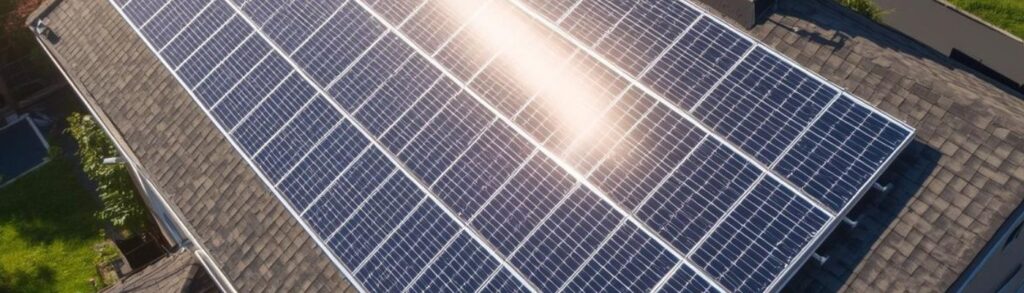
Solar panel technology is evolving faster than ever, and India is right at the center of this transformation. In just a few years, solar has moved from being an “alternative” energy source to a mainstream power solution for homes, businesses, factories, and even cities. By 2026, new innovations will make solar systems more efficient, flexible, smarter, and easier to integrate into everyday life. At KLK Ventures, we closely track how solar panel technology is changing on the ground-from manufacturing trends to real installation challenges in Indian conditions like heat, dust, space limitations, and grid reliability. This guide is written to genuinely help homeowners, EPC contractors, builders, and business owners understand what’s coming next, without hype or technical jargon. Why Solar Panel Technology Matters More Than Ever in India India’s solar journey is not just about clean energy – it’s about affordability, energy independence, and reliability. Some key realities driving innovation: High electricity demand and frequent peak load issues Rising power tariffs for commercial and industrial users Limited rooftop space in urban areas Extreme weather conditions (heat, dust, humidity) Government targets of 500 GW renewable capacity by 2030 To solve these challenges, solar panel technology must deliver: Higher efficiency in less space Better performance in Indian climates Lower long-term cost per unit Smarter systems with storage and monitoring Now let’s explore the 7 most important solar panel technology trends for 2026 in India. 1. High-Efficiency Solar Panels Crossing 25% What’s Changing Traditional solar panels used to convert only about 10–15% of sunlight into electricity. Today, thanks to advanced cell designs like TOPCon, HJT, and n-type cells, efficiencies are crossing 22–25%, and this trend will strengthen by 2026. Why It Matters in India More power from small rooftops Lower balance-of-system costs (less wiring, fewer structures) Ideal for apartments, factories, and urban homes Practical Insight In cities like Delhi, Mumbai, and Bengaluru, rooftop space is limited. High-efficiency solar panel technology allows the same roof to generate 20–30% more electricity without expanding area. Real-World Benefit Smaller system size Faster ROI Better performance in low-light and winter conditions 2. Perovskite Solar Cells: The Biggest Breakthrough What Are Perovskite Solar Cells? Perovskites are advanced semiconductor materials that absorb light more efficiently than traditional silicon. They can be manufactured at lower temperatures and costs. Why This Solar Panel Technology Is a Game-Changer Lower manufacturing cost Higher efficiency potential Lightweight and flexible designs Tandem Technology Explained (Simple Words) Perovskite cells are layered on top of silicon cells: Silicon captures long wavelengths Perovskite captures short wavelengths Together, they generate more power from the same sunlight. Current Progress Global lab efficiencies above 26% Pilot manufacturing already started Commercial availability expected to expand by 2026 Indian Impact This technology can: Reduce solar panel prices in the long term Enable solar on weak roofs and mobile structures Increase adoption in rural and semi-urban areas 3. Bifacial Solar Panels Becoming the New Standard What Are Bifacial Solar Panels? Unlike traditional panels, bifacial panels generate electricity from both sides – front and back. How They Work Front side absorbs direct sunlight Back side captures reflected light from ground, tiles, concrete, or sand Why India Is Perfect for Bifacial Technology High solar radiation Concrete rooftops and reflective surfaces Large solar parks and open installations Key Benefits 5–15% extra energy generation Better performance in open and elevated installations Longer lifespan due to glass-glass design Common Applications Utility-scale solar plants Commercial rooftops Carports and ground-mounted systems 4. Flexible & Lightweight Solar Panel Technology What’s New New materials allow solar panels to be: Thin Bendable Extremely lightweight Where Traditional Panels Fail Weak rooftops Temporary structures Curved surfaces New Use Cases in India Warehouses with metal sheet roofs Portable solar for agriculture Solar on vehicles, sheds, and remote sites Practical Advantage These panels can be: Rolled and transported easily Installed without heavy mounting structures Used where glass panels are unsafe Future Outlook By 2026, flexible solar panel technology will grow rapidly in: Defense Disaster relief Rural electrification Smart mobility 5. Solar Panels Integrated with Energy Storage Why Storage Is No Longer Optional Solar generates power during the day, but demand continues at night. That’s where energy storage comes in. What’s Improving Lithium-ion battery efficiency Longer battery life cycles Smarter battery management systems (BMS) Benefits of Solar + Storage Backup during power cuts Reduced grid dependency Peak load management for industries Indian Context With frequent outages and voltage fluctuations, solar panel technology combined with storage is becoming essential for: Hospitals Data centers Manufacturing units Smart homes 6. Transparent Solar Panels for Buildings What Are Transparent Solar Panels? These panels look like glass but generate electricity by capturing invisible light (UV and infrared). Where They Are Used Office windows Building facades Skylights Commercial complexes Why This Matters for Urban India Limited rooftop space High-rise buildings with large glass areas Growing demand for green buildings Key Advantage Buildings can generate power without changing their appearance. Future Scope By 2026, transparent solar panel technology will support: Net-zero buildings Smart cities Green architecture projects 7. Smart Solar Panels with AI & IoT What Makes Solar “Smart”? Smart solar panel technology uses: Sensors AI-based monitoring IoT connectivity What It Can Do Track performance in real time Detect faults early Optimize energy output automatically Why It’s Useful in India Reduces maintenance costs Prevents unnoticed power loss Improves system lifespan Simple Comparison Table: Solar Panel Technology Trends (2026) Technology Type Key Benefit Best Use Case High-Efficiency Panels More power in less space Urban rooftops Perovskite Cells Low cost + high efficiency Future mass adoption Bifacial Panels Extra energy from reflection Solar farms, carports Flexible Panels Lightweight & bendable Weak roofs, mobile use Solar + Storage Power anytime Homes, industries Transparent Panels Energy + design Smart buildings Smart Solar Panels Performance optimization All system sizes Cost Expectations (Basic & Standard Estimate) Disclaimer: The prices mentioned below are basic standard estimates only. Actual prices may vary depending on brand, location, installation type, subsidies, raw material costs, and market conditions. Solar Panel Technology Approx. Price Range (₹/Watt) Standard Mono
Solar-Powered EV Charging Stations Cost and Benefits
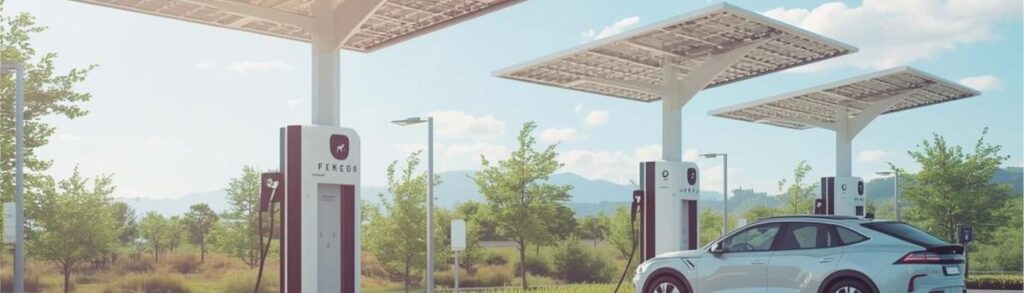
Solar-Powered EV Charging is emerging as a practical and future-ready solution as electric vehicles become more common across India. A solar-powered EV charging station uses energy from the sun to charge electric vehicles, reducing electricity costs, lowering carbon emissions, and supporting sustainable transport. With rising fuel prices and increasing pressure on the power grid, a solar powered charging station offers a cleaner and more cost-effective alternative for homes, businesses, and public charging networks. Growing Need for Solar-Powered EV Charging Stations in India India is seeing rapid growth in both solar energy and electric vehicles. As of June 2024, India’s installed solar energy capacity has reached 85.47 GW, and it continues to grow every year. At the same time, EV adoption is accelerating due to government incentives, rising petrol and diesel prices, and increasing environmental awareness. The challenge now is charging infrastructure. If EVs are charged only through conventional grid electricity-much of which still comes from coal-the environmental benefit reduces. This is where solar-powered EV charging stations play an important role. India receives an average of 300 sunny days per year, making it one of the best countries in the world to use solar energy efficiently. Combining solar PV systems with EV charging helps maximize this natural advantage. What Is a Solar-Powered EV Charging Station? A solar-powered EV charging station is a setup where solar photovoltaic (PV) panels generate electricity that is used to charge electric vehicles. The system may be: Grid-connected (solar + grid backup) Off-grid (solar + battery storage) Hybrid (solar + battery + grid) Key Components Involved Solar PV panels Inverter (converts DC to AC) EV charger (AC or DC) Battery storage (optional but useful) Energy monitoring system During the day, solar panels produce electricity that directly powers the EV charger. Any excess energy can be stored in batteries or exported to the grid, depending on the system design. How Solar-Powered EV Charging Works (Simple Explanation) Sunlight falls on solar panels Panels generate DC electricity Inverter converts DC to usable AC power EV charger supplies electricity to the vehicle Extra power is stored or sent to the grid This process runs automatically and requires minimal manual intervention once installed. Cost of Setting Up a Solar-Powered EV Charging Station The cost of a solar-powered EV charging station depends on several factors such as charger type, solar capacity, battery requirement, and installation location. Major Cost Components Solar panels EV charging equipment Inverter and electrical hardware Civil and installation work Battery storage (if required) Approximate Cost Breakdown (Indicative) Component Estimated Cost Range Solar panels (5–10 kW) ₹2.5 – ₹5 lakh Level 2 AC charger ₹50,000 – ₹1,00,000 DC fast charger ₹5 – ₹15 lakh Inverter & wiring ₹1 – ₹2 lakh Battery storage (optional) ₹2 – ₹6 lakh Installation & civil work ₹1 – ₹2 lakh Note: These are basic standard prices for general understanding. Actual costs may vary depending on brand, location, site conditions, and system size. Per-Unit Electricity Cost: Solar vs Grid Power One of the biggest advantages of solar-powered EV charging is lower electricity cost over the long term. Cost Comparison Source Approximate Cost per kWh Solar power ₹2.5 – ₹3 Grid (commercial) ₹6 – ₹8 Grid (residential) ₹4 – ₹7 Solar energy becomes significantly cheaper once the initial investment is recovered, especially for commercial EV charging stations with high daily usage. Economic Benefits of Solar-Powered EV Charging Stations 1. Lower Charging Cost for EV Owners Charging with solar power reduces the cost per kilometer for EV users. This makes electric vehicles even more economical compared to petrol or diesel vehicles. 2. Protection from Rising Electricity Tariffs Grid electricity prices tend to increase over time. Solar power provides price stability, helping businesses and homeowners manage long-term costs. 3. Reduced Operational Expenses Once installed, solar-powered EV charging stations have low running and maintenance costs. Solar panels typically last 25-30 years. 4. Attractive Return on Investment (ROI) For high-usage locations like offices, malls, fleets, and highways, solar-powered EV charging stations can achieve ROI in 4-6 years, depending on usage and subsidies. Impact on Overall Cost of EV Ownership Using solar power for EV charging significantly reduces lifetime vehicle costs: Lower fuel expenses Less dependence on external power sources Stable charging cost over years Increased savings over vehicle lifespan This improves EV adoption, especially among cost-conscious buyers. Government Subsidies and Financial Incentives India strongly supports renewable energy and EV infrastructure through multiple schemes. Available Benefits Include Capital subsidies on solar installations Incentives under FAME scheme for EV infrastructure Accelerated depreciation for businesses State-level solar and EV policies Low-interest green loans These incentives can reduce initial investment significantly, making solar-powered EV charging stations more affordable. Environmental Benefits of Solar-Powered EV Charging Stations Reduction in Carbon Emissions Solar-powered EV charging stations produce zero emissions during operation. This directly reduces CO₂ emissions from transportation. Lower Dependence on Fossil Fuels Charging EVs with solar energy reduces coal and oil usage, helping India move toward energy independence. Improved Air Quality Reduced fossil fuel use leads to lower air pollution, especially in cities with heavy traffic. Long-Term Sustainability Solar energy is renewable and abundant, making it a reliable long-term solution. Deployment Benefits in Remote and Rural Areas Works Where Grid Power Is Weak or Unavailable Solar-powered EV charging stations can operate independently, making them ideal for rural highways, villages, and remote locations. Easy to Scale Stations can be expanded by adding more panels or chargers as demand increases. Cost-Effective Infrastructure Avoids expensive grid extension and reduces transmission losses. Support for Rural EV Adoption Affordable charging options Job creation in installation and maintenance Better mobility and connectivity Reduced dependence on diesel transport Challenges of Solar-Powered EV Charging Stations High Initial Investment Upfront costs for solar panels, chargers, and batteries can be high without subsidies. Space Requirement Solar installations need adequate rooftop or open land space. Battery Cost Energy storage systems increase project cost but improve reliability. Lack of Standardization Different EV charging standards can create compatibility issues. Current Market Scenario and Future Outlook India has attracted $3.8
