
Solar Power vs Traditional Power: Cost, Efficiency & Sustainability

Solar Power and Traditional Power are the two main energy choices people consider today for homes, businesses, and industries. One depends on sunlight and renewable technology, while the other relies mostly on coal, oil, gas, or nuclear sources that have powered the world for decades. Choosing between them is no longer just about electricity-it’s about cost, reliability, long-term savings, and environmental impact. In this detailed guide, I’ll explain the real differences between solar power and traditional power in simple language, using practical insights from real-world usage, industry data, and on-ground observations in India and globally. The goal is not to push one option blindly, but to help you make a smart, informed decision. Understanding the Basics of Power Generation Before comparing costs and sustainability, it’s important to understand how both systems actually work. What Is Solar Power? Solar power is electricity generated using sunlight. Solar panels (also called photovoltaic panels) capture sunlight and convert it into electrical energy. This electricity can be: Used directly Stored in batteries Exported back to the grid (net metering) Key components of a solar power system: Solar panels Inverter (converts DC to AC power) Mounting structure Wiring and safety devices Optional battery storage Solar power is widely used in: Homes (rooftop solar) Commercial buildings Factories Solar farms and utility-scale projects Also Read : Solar light vs Traditional light What Is Traditional Power? Traditional power refers to electricity generated from conventional sources such as: Coal Natural gas Oil Nuclear energy Large hydropower plants In India, coal-based thermal power plants still produce the majority of electricity. These plants burn fuel to produce steam, which spins turbines to generate electricity. Key characteristics of traditional power: Centralized generation Long transmission lines Dependent on fuel supply Higher environmental impact (especially fossil fuels) Cost Comparison: Solar Power vs Traditional Power Cost is usually the first question people ask, and rightly so. Initial Setup Cost Solar Power: High upfront investment Includes panels, inverter, structure, and installation Rooftop solar for homes in India typically ranges from ₹45,000 to ₹65,000 per kW (before subsidy) Commercial or industrial systems are often cheaper per kW due to scale Traditional Power: No direct setup cost for consumers Infrastructure cost is handled by power companies and governments Consumers only pay monthly electricity bills At first glance, traditional power looks cheaper. But this is only the short-term view. Long-Term Cost & Monthly Bills This is where solar power changes the picture. Solar Power: Sunlight is free Very low operating and maintenance cost No fuel cost Electricity bills reduce by 70–95% depending on system size System lifespan: 25–30 years Traditional Power: Monthly bills continue forever Tariffs increase almost every year Fuel cost fluctuations directly affect electricity prices Practical insight: Many homeowners who installed solar 5-7 years ago are now enjoying almost zero electricity bills, while grid power tariffs have increased steadily during the same period. Subsidies & Financial Support Governments actively support solar power. Solar Power incentives (India example): Central government subsidy for residential rooftop solar Net metering benefits Accelerated depreciation for businesses Low-interest solar loans from banks Traditional Power: No direct subsidies for consumers Indirect subsidies often go to fuel suppliers, not end users This makes solar power even more cost-effective over time. Efficiency Comparison: How Well Do They Perform? Efficiency doesn’t just mean how much power is produced—it also includes losses, reliability, and consistency. Energy Conversion Efficiency Solar Power: Panel efficiency: typically 18–23% Efficiency improves every year with better technology Works best in areas with good sunlight (India is ideal) Traditional Power: Coal power plant efficiency: around 33–40% Nuclear power: higher efficiency but very high risk and cost Significant energy loss during fuel transport and transmission While traditional power plants may seem more efficient on paper, they lose a lot of energy before electricity reaches your home. Transmission & Distribution Losses Solar Power: Rooftop solar generates power at the point of use Minimal transmission loss Ideal for reducing load on the grid Traditional Power: Electricity travels long distances Transmission and distribution losses in India are around 18–20% Power cuts and voltage fluctuations are common in some areas From real experience, homes with solar face fewer power quality issues compared to grid-only users. Reliability & Availability Solar Power: Depends on sunlight No power generation at night (unless batteries are used) Daytime production matches peak usage well Traditional Power: Available 24/7 in theory In practice, outages, load shedding, and maintenance shutdowns occur A hybrid system (solar + grid) often gives the best reliability. Sustainability & Environmental Impact This is where the difference becomes very clear. Carbon Emissions Solar Power: Zero emissions during operation No air or water pollution Reduces carbon footprint significantly Traditional Power: Coal power emits CO₂, SO₂, NOx, and particulate matter Major contributor to climate change and air pollution Health impacts on nearby communities According to international energy agencies, coal-based power is one of the largest sources of global carbon emissions. Resource Availability Solar Power: Sunlight is abundant and renewable India receives 4–7 kWh of solar radiation per square meter daily Traditional Power: Coal, oil, and gas are finite Mining and extraction damage land and ecosystems Fuel imports increase dependency on other countries Solar power offers true energy independence. Water Usage This factor is often ignored. Solar Power: Requires almost no water for operation Only occasional cleaning of panels Traditional Power: Thermal power plants consume massive amounts of water Cooling systems impact local water availability In water-stressed regions, solar power is a far more sustainable option. Maintenance & Lifespan Maintenance Requirements Solar Power: Very low maintenance Panel cleaning once every few weeks or months Inverter replacement after 10–12 years (normal cost) Traditional Power: No maintenance for end users But grid failures and infrastructure issues affect supply quality Overall, solar power systems are simple and reliable once installed. System Lifespan Solar Power: Panels last 25–30 years Performance degradation is slow (around 0.5–0.7% per year) Traditional Power: Continuous dependence on external infrastructure No asset ownership for consumers Solar power turns electricity from an expense into a long-term asset. Simple
Hybrid Solar Inverters: Types, Pros, Cons & Price in India 2026
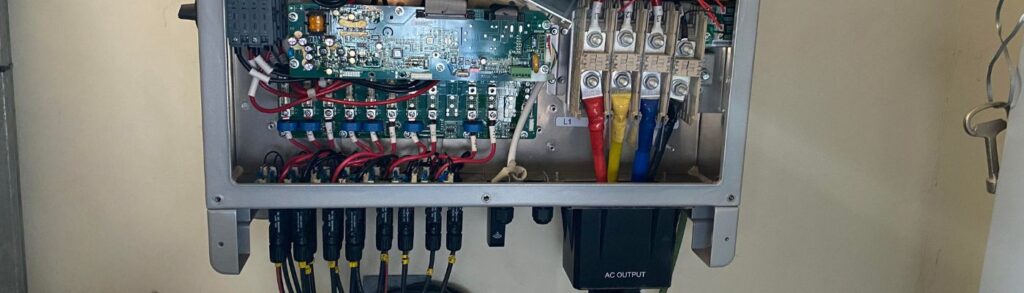
Hybrid Solar Inverters are advanced solar power devices that smartly manage electricity from solar panels, batteries, and the grid in a single system. They not only convert solar energy into usable electricity but also store extra power in batteries and supply backup during power cuts-making them one of the most practical solar solutions in 2026. As electricity prices rise and power reliability varies across regions, hybrid solar inverters are becoming a preferred choice for homeowners and businesses that want both savings and uninterrupted power. What Is a Hybrid Solar Inverter? A hybrid solar inverter is an all-in-one intelligent inverter that combines: A solar inverter A battery inverter/charger Grid power management Its main role is to control the flow of electricity between solar panels, battery storage, household loads, and the grid-automatically and efficiently. Unlike basic grid-tied inverters that shut down during power cuts, hybrid solar inverters can continue powering essential appliances when the grid fails (if batteries are connected). In short, a hybrid solar inverter ensures: Maximum use of solar energy Battery backup when required Smooth switching between power sources Reduced dependence on the grid How Hybrid Solar Inverters Work Hybrid solar inverters operate using smart energy management logic. Here’s how they function throughout the day: Step 1: Monitoring Power Availability The inverter continuously checks: Solar power generation Home electricity demand Battery charge level Grid availability Step 2: Extracting Maximum Solar Power Using MPPT (Maximum Power Point Tracking) technology, the inverter ensures solar panels produce the highest possible output under current sunlight and temperature conditions. Step 3: Running the Home on Solar First Solar energy is always the first priority. The inverter converts DC power from panels into AC and runs household appliances directly. Step 4: Charging the Battery If solar production exceeds usage, excess energy is used to charge the battery. Step 5: Managing Excess Energy If net metering is allowed, extra power is exported to the grid If export is restricted, the inverter limits output to prevent grid feeding Step 6: Handling Low Solar Generation When solar energy is insufficient: The inverter checks battery availability If battery is low, it draws power from the grid Some hybrid solar inverters can also charge batteries from the grid during off-peak hours. Step 7: Power Backup During Outages When the grid fails: The inverter isolates from the grid for safety Supplies power using solar and batteries Runs only essential loads that are pre-wired Also Read: Power Backup Options Step 8: Grid Restoration Once grid power returns: The inverter synchronizes voltage and frequency Resumes normal operation Main Functions of Hybrid Solar Inverters Hybrid solar inverters perform multiple critical functions daily: DC to AC Conversion – Converts power from solar panels and batteries into usable AC electricity Battery Charging – Charges batteries using solar power or grid power when needed AC to DC Conversion – Converts grid power to DC to charge batteries Grid Synchronization – Matches grid voltage and frequency for safe import/export Automatic Switching – Seamlessly switches between solar, battery, and grid Load Management – Prioritizes essential appliances during backup Power Quality Control – Maintains stable voltage and frequency System Monitoring – Displays real-time data through screens or mobile apps Operational Modes of Hybrid Solar Inverters Hybrid solar inverters operate in different modes depending on energy availability: Grid-Tied Mode Solar power runs the home during the day. Excess energy charges batteries or goes to the grid. Hybrid Mode Solar, battery, and grid work together based on real-time demand. Backup Mode During outages, the inverter supplies power from the battery automatically. Battery Charging Mode Prioritizes battery charging during peak sunlight hours. Night Mode Battery power runs appliances after sunset, reducing grid usage. Types of Hybrid Solar Inverters Hybrid solar inverters come in several configurations to suit different needs. 1. Inverter/Charger Hybrid Works with grid or generator Charges batteries from AC source Requires separate solar charge controller 2. All-in-One Hybrid Inverter Built-in MPPT solar charger Compact and easy installation Ideal for residential rooftops 3. Grid-Tied Hybrid Inverter Supports net metering Exports surplus energy Backup works only with battery 4. Multi-Mode Hybrid Inverter Fast switching during outages Can support partial or full home backup Suitable for larger homes 5. Off-Grid-Capable Hybrid Inverter Designed for areas with no grid access Works with solar, batteries, and generator Requires careful system sizing Hybrid Solar Inverter vs Normal Inverter Here’s a simple comparison table: Feature Hybrid Solar Inverter Normal Inverter Solar integration Built-in MPPT Not supported Battery charging Solar + grid Grid only Grid export Yes (if allowed) No Backup during outage Yes (with battery) Yes Electricity savings High None Smart monitoring Yes No Environmental benefit High Low Hybrid Solar Inverter Price in India (2026) Prices depend on capacity, brand, features, and battery compatibility. Estimated Hybrid Solar Inverter Prices (Without Battery) Capacity Approx Price (₹) 3 kW ₹85,000 – ₹1,00,000 5 kW ₹95,000 – ₹1,15,000 10 kW ₹2,50,000 – ₹3,50,000 30 kW ₹4,70,000 – ₹5,50,000 50 kW ₹6,00,000 – ₹7,00,000 Prices are indicative and may vary by city, GST, brand, warranty, and market conditions. Advantages of Hybrid Solar Inverters Energy independence from the grid Uninterrupted backup power during outages 24/7 solar utilization through battery storage Lower electricity bills Smart load prioritization Future-ready system with battery expansion Disadvantages of Hybrid Solar Inverters Higher upfront cost compared to on-grid systems Battery replacement expense after 5–10 years Space requirement for battery installation Longer return on investment For homes with reliable grid supply, hybrid systems may not always be financially justified. When Should You Choose a Hybrid Solar Inverter? Hybrid solar inverters make sense if: Power cuts are frequent Evening electricity usage is high Grid voltage is unstable Backup for medical or office equipment is needed Time-of-use electricity tariffs apply You plan to add batteries in the future When Is an On-Grid Inverter a Better Option? Choose an on-grid inverter if: Grid supply is stable Most energy is used during daytime Fast ROI is important No battery backup is required On-grid systems are simpler and offer quicker payback in such cases. Are
