
5kW Hybrid Solar Inverter Price in India, Specs & Features
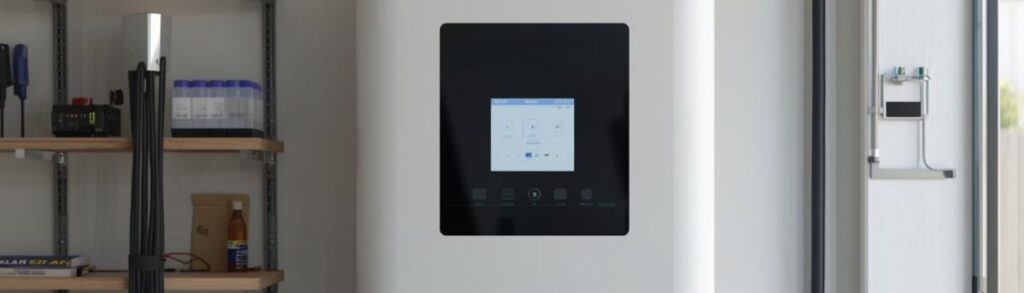
A 5kW hybrid solar inverter is one of the most popular solar power solutions for Indian homes and small businesses. It smartly manages power from solar panels, batteries, and the grid, helping you save on electricity bills while ensuring backup during power cuts. In this guide, we’ll clearly explain 5kW solar inverter prices in India, specifications, features, advantages, and buying tips in a simple, real-world way. What Is a 5kW Hybrid Solar Inverter? A 5kW hybrid solar inverter is a device that converts DC electricity generated by solar panels into usable AC power. What makes it hybrid is its ability to work with: Solar panels Battery storage Grid electricity This means: During the day, your home runs on solar power Extra power can charge batteries At night or during power cuts, batteries provide backup If needed, the grid supplies additional power In short, a 5kW solar inverter gives flexibility, savings, and energy security. Who Should Buy a 5kW Solar Inverter? From real installation experience in Indian conditions, a 5kW system is best suited for: 3–4 BHK homes Homes with ACs, refrigerators, washing machines, geysers Small offices or shops Clinics, coaching centers, or small schools Approximate Load It Can Handle 2–3 Air Conditioners Refrigerator LED lights & fans TV, laptop, Wi-Fi Washing machine Daily generation is around 18–22 units (kWh) depending on sunlight. 5kW Hybrid Solar Inverter Price in India The price of a 5kW hybrid solar inverter in India depends on brand, technology, warranty, and battery compatibility. Average Price Range ₹75,000 to ₹1,60,000 (inverter only) Below is a simple and user-friendly price table 👇 Brand Name Type Approx Price (₹) Warranty Luminous Hybrid 95,000 – 1,20,000 5 Years Growatt Hybrid 85,000 – 1,10,000 5 Years Sungrow Hybrid 1,20,000 – 1,50,000 5 Years Sofar Solar Hybrid 1,10,000 – 1,40,000 5 Years GoodWe Hybrid 1,30,000 – 1,60,000 5 Years Smarten Hybrid 75,000 – 95,000 3–5 Years Note: These are basic standard prices for the inverter only, not including batteries, panels, installation, or GST. 5kW Solar Inverter Specifications (Typical) Here are the common technical specs you should expect from a good 5kW hybrid solar inverter: Electrical Specifications Rated Power: 5kW / 5000W Phase: Single Phase (most homes) Output Voltage: 220V – 240V Frequency: 50Hz Efficiency: 95% – 98% Solar Input Max PV Power: 6.5kW – 7kW MPPT Range: 120V – 450V No. of MPPT: 1 or 2 Battery Support Supports Lithium-ion & Lead-acid batteries Battery voltage: 48V Smart battery charging & discharging Key Features of a 5kW Hybrid Solar Inverter A modern 5kW solar inverter comes with many smart features designed for Indian usage. 1. Dual Power Source Management Automatically balances solar, battery, and grid Reduces grid dependency 2. Battery Backup During Power Cuts Seamless switchover during outages Essential appliances keep running 3. High Efficiency MPPT Technology Extracts maximum power from solar panels Performs well even in low sunlight 4. Smart Monitoring Wi-Fi / App-based monitoring Check power generation and usage in real time 5. Grid Export Option (Net Metering) Excess solar power can be sent to the grid Helps reduce electricity bills further Hybrid vs Normal Solar Inverter (Simple Comparison) Feature Hybrid Solar Inverter Normal On-Grid Inverter Battery Support Yes No Power Backup Yes No Grid Dependency Low High Cost Higher Lower Ideal For Homes with power cuts Areas with stable grid If your area faces frequent power cuts, a 5kW hybrid solar inverter is a better choice. Battery Requirement for 5kW Hybrid Solar Inverter Battery size depends on how long you want backup. Common Battery Options Lithium Battery: Higher cost Long life (8–10 years) Fast charging Lead Acid Battery: Lower cost Shorter lifespan Needs maintenance Typical Battery Capacity 2 × 100Ah (basic backup) 4 × 150Ah (longer backup) 5–10 kWh lithium battery (best option) Solar Panel Requirement for 5kW System For best performance, a 5kW solar inverter usually needs: 10 panels of 540W, or 12–14 panels of 400–450W Space Requirement Approx 350-450 sq. ft. rooftop area Panels should face south with minimal shadow. Installation Tips (Based on Real Experience) From practical installations across Indian cities, these tips matter a lot: Always oversize solar panels by 10–20% Use branded DC cables and MCBs Ensure proper earthing & lightning arrestor Install inverter in a shaded, ventilated area Choose a brand with local service support Maintenance of 5kW Solar Inverter Good news: maintenance is very low. Simple Care Tips Clean solar panels every 15–20 days Check app data once a week Keep inverter dust-free Annual electrical inspection Government Subsidy on 5kW Solar Inverter Subsidy is mainly on on-grid rooftop systems Hybrid systems may get partial subsidy (depends on state) Subsidy usually applies to solar panels, not inverter Always check the latest MNRE or state DISCOM guidelines. Common Mistakes to Avoid Many buyers make these mistakes: Choosing inverter without checking battery compatibility Buying cheaper brands without service network Ignoring future load expansion Installing without net-metering approval Avoiding these can save money and headaches later. Is a 5kW Hybrid Solar Inverter Worth It? Yes, if: You want backup + savings You face regular power cuts You plan to add batteries later You want energy independence For many Indian households, a 5kW solar inverter offers the best balance of cost and performance. Conclusion A 5kW hybrid solar inverter is a smart long-term investment for Indian homes and small businesses. It not only cuts electricity bills but also provides peace of mind during power outages. By choosing the right brand, correct battery size, and proper installation, you can enjoy clean and reliable energy for years. FAQ 1. What is a 5kW hybrid solar inverter? A 5kW hybrid solar inverter converts solar power into usable electricity and can work with solar panels, batteries, and the grid. It provides power backup during outages and helps reduce electricity bills. 2. What is the price of a 5kW hybrid solar inverter in India? The 5kW solar inverter price in India generally ranges from ₹75,000 to ₹1,60,000, depending on the brand, features, and battery compatibility. Prices may vary by location and dealer.
Wind Energy Farms: How They Work, Types, and Advantages
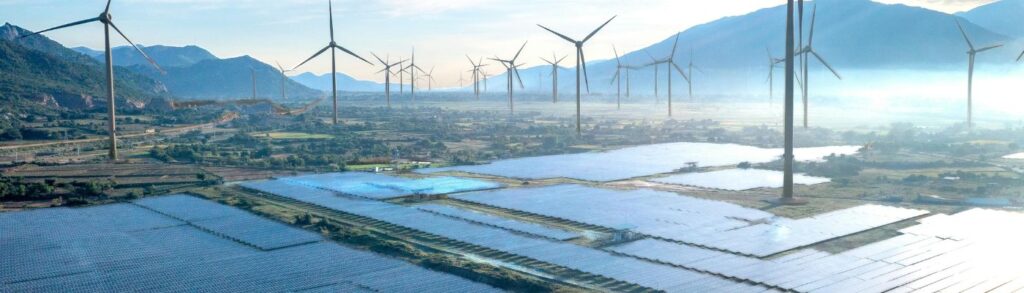
Wind Energy farms are one of the fastest-growing sources of clean electricity in the world today. A wind farm uses the natural movement of air (wind energy) to generate power without burning fuel or releasing harmful pollution. From open lands to deep oceans, wind farms are helping countries reduce electricity costs and move toward a cleaner, more sustainable future. In this guide, I’ll explain what wind energy farms are, how they work, the main types of wind farms, and their real advantages, using simple language and practical insights. This article is written to genuinely help students, business owners, and anyone curious about wind energy not just to rank on Google. What Is a Wind Energy Farm? A wind energy farm (also called a wind farm or wind park) is a large area where multiple wind turbines are installed together to produce electricity from wind energy. These turbines can be placed on land or in the sea, depending on wind availability and location suitability. Each turbine captures the kinetic energy of the wind through rotating blades. This movement is converted into electrical energy and then supplied to homes, offices, factories, and public infrastructure through the power grid. A single wind turbine can power hundreds or even thousands of homes, but when turbines work together as a wind farm, the electricity generation becomes large-scale and more reliable. Why Wind Energy Is So Important Today Wind energy has moved from being an “alternative option” to a core part of global energy planning. The reasons are simple: Fossil fuels are limited and polluting Electricity demand is increasing every year Governments are pushing for renewable energy targets Wind technology has become more efficient and affordable According to WindEurope, European wind farms generated 437 terawatt-hours (TWh) of electricity in 2021, covering around 15% of total electricity demand, and in some countries, over 20%. This shows that wind energy is no longer experimental—it is mainstream and dependable. How Do Wind Energy Farms Work? The working principle of wind farms is simple, but the engineering behind them is highly advanced. Let’s break it down in an easy way. 1. Wind Turns the Blades Wind flows over the turbine blades, creating lift (similar to how airplane wings work). This causes the blades to rotate. 2. Rotor and Shaft Transfer Motion The rotating blades are connected to a rotor, which spins a low-speed shaft inside the turbine. 3. Gearbox Increases Speed Most turbines use a gearbox to increase rotation speed from about 20–25 RPM (blade speed) to nearly 1,500–1,800 RPM, which is needed to generate electricity. 4. Generator Produces Electricity The high-speed shaft spins a generator, converting mechanical energy into electrical energy. 5. Transformer Increases Voltage Electricity generated at low voltage is stepped up using a transformer so it can travel long distances with minimal loss. 6. Power Is Sent to the Grid Underground or subsea cables carry electricity to a substation, where it is connected to the main power grid and supplied to users. Main Components of a Wind Turbine Understanding the parts of a turbine helps explain why wind farms are so efficient today. Blades – Capture wind energy Rotor – Holds the blades together Nacelle – Houses gearbox, generator, and control systems Tower – Supports the turbine at higher wind speeds Yaw system – Turns the turbine toward the wind Brake system – Stops turbines during extreme winds Modern turbines are designed to automatically adjust to wind direction and speed, ensuring safety and efficiency. Types of Wind Turbines Used in Wind Farms Wind turbines are mainly classified based on the axis of rotation. 1. Horizontal Axis Wind Turbines (HAWT) Most common type worldwide Blades rotate perpendicular to wind direction High efficiency and large power output Commonly used in commercial wind farms 2. Vertical Axis Wind Turbines (VAWT) Blades rotate around a vertical axis Can accept wind from any direction Easier maintenance (generator near ground) Lower efficiency compared to HAWT 3. Bladeless Wind Turbines (New Technology) No rotating blades Use vibration caused by wind Lower noise and maintenance Still under development for large-scale use Types of Wind Energy Farms Wind farms are classified based on their location. Each type has unique benefits and challenges. 1. Onshore Wind Farms Onshore wind farms are built on land, usually in open plains, hills, or deserts where wind speed is consistent. Key features: Easier and cheaper to install Simple grid connection Lower construction and maintenance costs Widely used in countries like India, USA, and Germany Onshore wind farms currently make up the largest share of global wind energy production. 2. Nearshore Wind Farms Nearshore wind farms are installed on land but close to the coastline (within about 3 km). Why they work well: Access to both land and sea winds Better wind consistency than inland areas Easier maintenance compared to offshore These farms act as a balance between cost and performance. 3. Offshore Wind Farms Offshore wind farms are located in the sea, often several kilometers away from the coast. Major advantages: Stronger and more stable winds Larger turbines can be installed Very high electricity generation Challenges include: Higher installation costs Complex maintenance Advanced marine engineering required Despite higher costs, offshore wind energy is growing fast due to its massive power potential. Comparison Table: Types of Wind Farms Type of Wind Farm Location Cost Wind Strength Maintenance Power Output Onshore Land Low Moderate Easy Medium Nearshore Coastal land Medium High Moderate Medium–High Offshore Open sea High Very High Complex Very High This table helps beginners quickly understand which wind farm type suits different conditions. How Wind Farm Locations Are Decided Choosing the right location is one of the most critical steps in wind energy projects. Developers conduct detailed studies before installation. Important factors include: Average wind speed and frequency Terrain and soil stability Environmental impact (birds, marine life) Distance from power grid Legal approvals and land availability Community acceptance Organizations like IDAE and other national energy bodies use long-term wind data and environmental assessments to ensure wind farms are both efficient
