
5 MW Solar Power Plant Cost in India with Subsidy & ROI
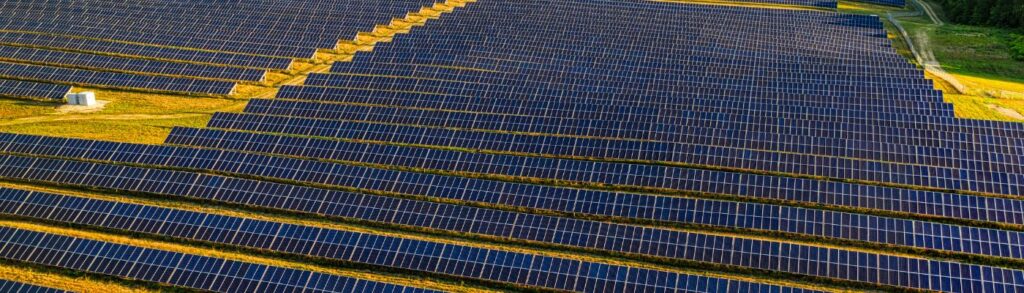
India’s solar journey has moved from small rooftop systems to large utility-scale projects. Among them, a 5 MW Solar Power Plant is a popular choice for businesses, landowners, and independent power producers who want stable long-term returns while supporting clean energy. In this article, I’ll explain the 5 MW Solar Power Plant cost in India, available subsidies and incentives, expected ROI, and practical factors that actually affect profitability. I’ll keep it simple, clear, and realistic, no hype, no confusing jargon. What Is a 5 MW Solar Power Plant? A 5 MW Solar Power Plant is a large-scale, ground-mounted solar project capable of generating electricity for industrial use or feeding power directly into the grid. To give you an idea of scale: 1 MW solar plant can power around 700–800 homes A 5 MW plant can supply electricity to 3,500–4,000 homes Land requirement: 20–25 acres, depending on technology and layout Such projects are usually developed under: Open access (selling power to private consumers) Captive consumption (own industrial use) Power Purchase Agreements (PPAs) with DISCOMs or private buyers 5 MW Solar Power Plant Cost in India The 5 MW Solar Power Plant cost in India depends on multiple factors such as location, equipment quality, and type of solar panels used. However, based on current market data, here’s a realistic cost range. Average Cost Breakdown Component Approximate Cost Solar Panels (Mono PERC/TopCon) ₹10-12 crore Inverters & Electricals ₹2-3 crore Mounting Structures ₹2-2.5 crore Land development & civil work ₹1-1.5 crore Transmission & Evacuation ₹1-1.5 crore Engineering & Installation ₹1-1.5 crore Total Estimated Cost: ₹18 crore to ₹25 crore for a complete 5 MW solar power plant This means: Cost per MW: ₹3.6–5 crore Cost per kW: ₹36,000–50,000 These numbers are aligned with current EPC trends in India and may vary slightly based on state policies and vendor selection. Subsidy for 5 MW Solar Power Plant in India: Reality Check This is where many people get confused. Is There a Direct Subsidy for a 5 MW Solar Power Plant? Short answer: No direct capital subsidy is usually available for large, ground-mounted solar plants above 1 MW. The Indian government (through MNRE) mainly offers subsidies for: Residential rooftop solar Small commercial rooftop systems However, that doesn’t mean there are no financial benefits. Government Incentives That Reduce Overall Cost While there is no upfront subsidy, large-scale solar projects enjoy indirect financial advantages that significantly improve ROI. 1. Accelerated Depreciation (AD) Solar projects are eligible for 40% accelerated depreciation Helps businesses reduce taxable income Major benefit for profitable companies 2. GST Benefit Solar power projects attract only 5% GST Reduces overall equipment and installation cost 3. State-Level Incentives Some states offer: Waiver on electricity duty Reduced wheeling and transmission charges Banking of power (carry forward excess units) These benefits vary by state and can significantly impact returns. 4. Open Access Benefits If the plant is developed under open access: Power can be sold directly to industrial consumers Tariffs are higher than DISCOM rates Better long-term revenue visibility Power Generation from a 5 MW Solar Power Plant Let’s talk about actual energy production. Average Annual Generation Capacity Utilization Factor (CUF): 18–22% Annual generation: 7–8 million units (kWh) Factors affecting generation: Solar irradiation in the region Panel efficiency Maintenance quality Tracking vs fixed structure Revenue & ROI from a 5 MW Solar Power Plant Electricity Tariff Assumptions Open access / captive tariff: ₹3.5–₹4.5 per unit DISCOM PPA tariff: ₹2.5–₹3.2 per unit Annual Revenue Estimate Scenario Approx. Revenue Low Tariff (₹3/unit) ₹2.1 crore/year Average tariff (₹4/unit) ₹2.8-3.2 crore/year ROI & Payback Period Expected Returns Annual ROI: 12%–18% Payback period: 5–7 years Project life: 25–30 years Once the plant recovers its cost, electricity generation continues with minimal expenses, making solar one of the most stable long-term investments today. Operating & Maintenance Cost O&M costs are low but important. Typical O&M Expenses ₹6–8 lakh per MW per year For 5 MW: ₹30–40 lakh annually Includes: Panel cleaning Inverter maintenance Monitoring systems Security & insurance Land Requirement & Location Factors Land Needed 20–25 acres Flat, non-agricultural land preferred Near substation reduces transmission cost Best States for Solar Plants Rajasthan Gujarat Maharashtra Karnataka Tamil Nadu Telangana These states have high solar irradiation and supportive policies. Key Risks & How to Manage Them Every investment has risks. Solar is no different. Common Risks Policy changes Delay in grid connectivity Lower-than-expected CUF Payment delays from DISCOMs Risk Mitigation Tips Choose reliable EPC contractors Prefer private PPAs over government DISCOMs Install real-time monitoring systems Use high-quality Tier-1 panels Is a 5 MW Solar Power Plant Worth Investing In? From a long-term perspective, yes, if planned properly. Ideal For: Industrial units with high power consumption Businesses seeking tax savings Investors with long-term vision Landowners near substations Not Ideal For: Those expecting quick returns in 1–2 years Investors unwilling to manage approvals and compliance Final Thoughts A 5 MW Solar Power Plant is not just a clean energy project, it’s a long-term financial asset. While the 5 MW Solar Power Plant cost in India may seem high initially, government incentives, tax benefits, and consistent power generation make it a reliable investment. The key is realistic planning: Understand true costs Don’t expect direct subsidies Focus on ROI over 25 years, not just year one If you’re serious about solar, this scale offers the perfect balance between investment size and profitability. Disclaimer: Costs and returns mentioned are indicative and may vary based on location, policy changes, and market conditions. Always consult a professional solar EPC or financial advisor before investing.
