
Solar Installation Tips for Homeowners
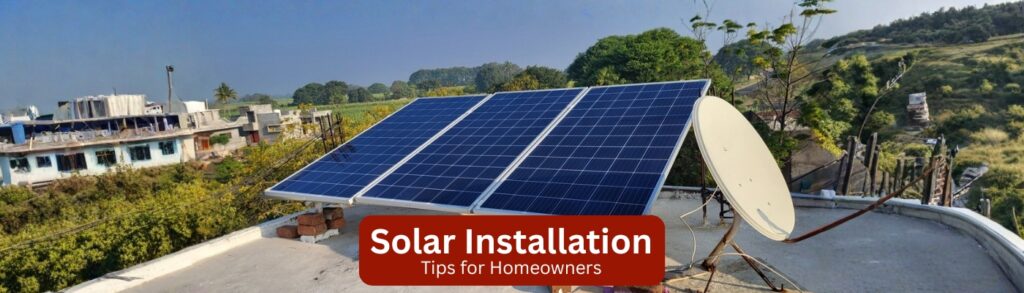
Residential solar adoption is growing at record pace, with 97% of US solar installations now found in homes. Whether you’re pursuing a full system or a DIY upgrade, knowing the right solar installation tips helps you get the most value, safety, and energy output from your investment. This practical guide simplifies best practices for both new solar adopters and hands-on homeowners. From site assessment to choosing hardware and wiring methods, we’ll cover proven ways to maximize results, improve home efficiency, and avoid common pitfalls in residential solar installation or DIY solar panels. Core Components of a Home Solar System Understanding the full range of parts in a residential solar power system is foundational for any homeowner interested in solar installation tips. Each component serves a crucial role in ensuring that your rooftop solar solution works efficiently, safely, and for the long term. The reliability and performance of residential solar installation depend on integrating these parts correctly. Here’s a detailed breakdown of key home solar system components and the essential balance of system elements you’ll need for DIY solar panels or any professional project: Solar panels (photovoltaic modules): The primary units that capture sunlight and convert it into DC electricity. Inverter: Converts DC power produced by the panels into AC power your home can use. Charge controller: Regulates voltage and current coming from the panels to the batteries, preventing overcharging and damage. Solar battery: Stores excess energy generated by your system for use when sunlight is unavailable. Wiring and cabling: Connects all system components, transferring power safely across the installation. Mounting hardware/rails: Secures panels to your roof or ground for optimal sun exposure while ensuring stability and safety. Transfer switch: Helps to integrate your solar setup with your home’s electrical system, enabling seamless backup or grid switching. Monitoring system: Provides performance data, fault alerts, and helps track energy production and consumption. Balance of system parts: Includes connectors like MC-4 plugs, combiner boxes, and safety devices-all crucial for code compliance and safety. Solar Photovoltaic Panels Explained Photovoltaic modules, commonly called solar panels, are made up of interconnected solar cells. These modules are engineered to convert sunlight directly into electrical energy through the photovoltaic effect. Each panel generally consists of many small silicon solar cells sandwiched between protective layers like tempered glass and a durable frame. For residential solar installation, commonly used photovoltaic modules include either monocrystalline or polycrystalline silicon. The panels connect using specialized MC-4 or similar connectors that maintain a secure, weather-resistant link between each module and the rest of the system. Homeowners should look for panels that include warranties and certifications verifying long-term performance. Modern DIY solar panels are designed for easy integration into new or existing solar installations, with plug-and-play features and standard connector types. Types of Solar Panels for Home Installations Home solar installation projects most often use three core panel technologies, each with distinct strengths and considerations: Monocrystalline: High efficiency and space-saving; sleek appearance, typically higher cost. Polycrystalline: Good value, slightly lower efficiency, and a blue, speckled look. Thin film: Lightweight and flexible; lower efficiency; best for unique shapes or portable setups. Panel choice affects both performance and cost, so consideration of roof space and budget is essential for the best solar installation tips. Check certifications to guarantee performance in local climate conditions. Inverters: Turning DC to Usable Power Inverters are at the heart of every residential solar installation, converting direct current (DC) from your solar panels into alternating current (AC) to power household devices. In grid-tied systems, inverters synchronize with external utility power, enabling net metering-the ability to send surplus electricity back to the grid. Hybrid and off-grid DIY solar panels setups require inverters that manage both storage and direct usage, supporting solar battery integration. Advanced inverter features include integrated monitoring and grid-support operations, making them a cornerstone for solar installation tips focused on maximum efficiency and safety. Choosing between grid-tied, hybrid, and off-grid inverters will depend on whether you want backup capability or aim for full self-sufficiency. For homes in areas with frequent power interruptions, a hybrid system provides seamless transitions between solar, battery, and utility supply. Smart inverters with remote diagnostics and app-based controls are recommended to simplify operation and maintenance. Types of Inverters: Micro-Inverter vs String Inverter Two primary inverter types are common in residential solar installation: Micro-inverter: Installed on each panel; boosts individual performance-best for roofs with shade or varying orientations. String inverter: Centralizes conversion; panels connected in series-cost-effective but less adaptable to shading/local differences. Power optimizer: Mounted at each panel; works with a string inverter to maximize energy regardless of shading. Choose micro-inverters or power optimizers for superior monitoring and flexibility, string inverters for lower initial cost where sunlight is unobstructed. Evaluate system design and local shading patterns when finalizing your inverter configuration. Performance, warranty, and compatibility with monitoring systems should guide your selection. How Power Optimizers Maximize Output Power optimizers enhance energy production by allowing each solar panel to function independently, even when partial shading occurs. These devices are installed at the individual module level, feeding optimized power to a central inverter. Counteracts mismatch or shading losses in large arrays. Improves safety by de-energizing DC cabling during shutdown or maintenance. Enables advanced system monitoring and troubleshooting-beneficial for both DIY and professional solar panel installations. Often a preferred option in challenging roof layouts or where maximum yield per panel is a priority. Role of Charge Controllers in Solar Charge controllers manage the flow of power from solar panels to batteries. They protect against overcharging, prevent battery damage, and help balance the system’s energy storage. Modern charge controllers also provide useful monitoring capabilities through digital displays or app interfaces. For reliable residential solar installation, including an appropriately-sized charge controller is vital. This device ensures solar batteries last longer and maintain healthy charge cycles for both on-grid and off-grid applications. MPPT vs PWM: Choosing the Right Controller When selecting a charge controller, your choice typically comes down to: MPPT (Maximum Power Point Tracking): Highly efficient-adjusts to varying sunlight, yielding more usable energy.