
Solar Water Pumps – Renewable Water Solutions
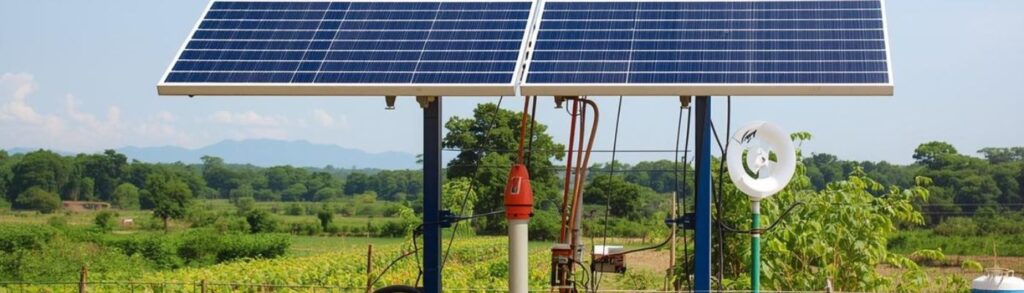
In a world where energy costs are rising and water demand is increasing, solar water pumps have become one of the most practical and affordable solutions. These renewable water pumps use sunlight to draw water for homes, farms, gardens, and even entire communities. With simple technology, low running costs, and long-term reliability, solar pump solutions are transforming how people access water, especially in remote or off-grid areas. What Is a Solar Water Pump? A solar water pump is a water pumping system powered by solar panels instead of electricity from the grid or diesel generators. When sunlight hits the solar panels, they generate electricity that runs the pump motor, allowing water to be lifted from wells, boreholes, rivers, or storage tanks. Unlike traditional pumps that depend on fuel or paid electricity, solar pumps work for free once installed. This makes them a smart investment for farmers, homeowners, small businesses, and community water projects. How Solar Water Pumps Work The working process of a solar-powered water system is simple: Solar Panels Capture Sunlight Photovoltaic (PV) panels convert sunlight into direct current (DC) electricity. Controller Regulates Power A pump controller manages voltage, protects the motor, and can optimize power output during cloudy weather. Pump Lifts or Moves Water The pump, either submersible or surface, pushes water to a storage tank, field, or distribution point. Stored Water Ensures Supply Anytime Most systems store water in tanks rather than relying on batteries. This ensures a steady supply even when the sun goes down. This simple mechanism makes solar-powered water systems reliable, long-lasting, and easy to maintain. Types of Solar Water Pumps Depending on your water source and usage needs, here are the main types: 1. Submersible Solar Pumps Installed deep inside boreholes or wells Best for lifting water from greater depths Ideal for farms, rural homes, and community water supplies 2. Surface Solar Pumps Installed on the ground near ponds, rivers, or tanks Suitable for shallow water sources Commonly used for garden irrigation, livestock water, and small farms 3. DC and AC Solar Pumps DC pumps run directly on solar power, efficient and economical AC pumps use inverters, useful when upgrading existing electric pumps Each type has its advantages, and the right choice depends on depth, water demand, and budget. Key Benefits for Homes, Farms, and Industries Switching to solar pump solutions offers multiple benefits: 1. Zero Electricity Bills Once installed, solar pumps run on free sunlight. This can save thousands of dollars over the pump’s lifetime. 2. Perfect for Remote Areas No need for grid electricity or diesel fuel. Villages, farms, and off-grid homes can enjoy reliable water access. 3. Low Maintenance Solar panels last 20–25 years and require only occasional cleaning. Pumps have fewer moving parts, so breakdowns are minimal. 4. Eco-Friendly Using solar energy reduces carbon emissions, fuel consumption, and noise pollution. 5. Consistent Water Supply Great for: Solar irrigation for crops Watering gardens Filling livestock tanks Household drinking water Industrial water systems 6. Cost-Effective Over the Long Term Even if the initial cost is higher than traditional pumps, savings from fuel and electricity quickly recover the investment. Why Solar Pumps Are Better Than Traditional Pumps Traditional water pumps rely on diesel or grid electricity. Both are expensive and often unreliable, especially in rural areas. Solar water pumps are better because: They cut fuel costs entirely. They reduce dependency on inconsistent power supply. They support sustainable agriculture and clean energy goals. They work quietly and produce no pollution. They are safe from fuel price fluctuations. For small farms, solar irrigation allows watering crops even during power cuts. For homes, it means constant water without monthly bills. For industries, it ensures steady operations without diesel generators. Applications: Irrigation, Livestock, Homes, Community Water 1. Solar Irrigation Farmers use solar pumps to: Irrigate fields during the day Operate drip or sprinkler systems Water plants directly without storage For example, a 2-acre vegetable farm can install a solar pump and save up to 90% on annual irrigation costs. 2. Livestock Watering Ranches and dairy farms use solar pumps to fill: Cattle troughs Drinking stations Grazing area tanks This removes the need for manual pumping or transporting water. 3. Household Water Supply Solar pumps provide water for: Drinking Bathing Cooking Cleaning Gardening A small home can run a 0.5–1 HP solar pump for daily needs. 4. Community Water Systems Many small villages install solar-powered water systems to: Supply clean drinking water Run overhead storage tanks Reduce dependency on diesel pumps These systems are especially helpful in remote regions with no reliable electricity. Factors to Check Before Buying a Solar Water Pump When choosing the right renewable water pump, consider: 1. Water Source Depth Deeper wells require stronger submersible pumps. 2. Daily Water Requirement Higher demand means larger panels and a higher HP pump. 3. Type of Pump Choose between surface, submersible, AC, or DC options. 4. Solar Panel Capacity Panel wattage must match the pump’s power needs. 5. Budget Select a system that balances cost and performance. 6. Storage Needs Decide if you need a tank for storing excess water. 7. Warranty and Support Choose brands that provide good after-sales service and spare parts. Conclusion Solar water pumps are an excellent choice for anyone seeking a reliable, affordable, and eco-friendly water solution. From small gardens to large farms and remote villages, these solar pump solutions are transforming water access and reducing dependency on costly energy sources. With low maintenance, long life, and major cost savings, solar-powered water systems offer a truly sustainable future for water management. FAQs 1. Are solar water pumps expensive? The initial cost can be higher than diesel or electric pumps, but the long-term savings are significant. With no fuel or electricity bills, most users recover their investment within 2–4 years. 2. Can solar pumps run without batteries? Yes. Most systems work without batteries by pumping water directly during the day and storing it in tanks for later use. This reduces cost and increases reliability. 3. How much maintenance is required? Maintenance
