
Solar-Powered Public Transport Initiatives in India
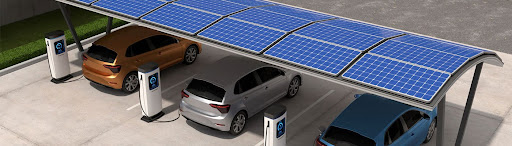
We can witness our cities getting crowded and roads getting busier. This causes the air to be heavy with smoke and dust which is just not right for our environment. However, everything begins as a little change and turns into something powerful. Such is the case with solar technology in India. India is adopting solar energy in various areas, slowly but surely. It includes solar powered public transport in India, too. These are the cleaner and safer alternatives to the fuel. It will not only help in eliminating pollution but also save our natural resources. For Indian roads, filled with vehicles running on fuel and electricity, there’s only one solution: going solar. Why Public Transport Needs to Go Solar We can’t imagine India without public transport. It serves as the foundation for Indian mobility. Hundreds of buses, autorickshaws, trains, and bicycles are visible on the roads as soon as you set foot out. The only sad part is that these run on fossil fuels which contribute to the air’s high level of toxicity. According to several studies, transport accounts for nearly 10–15% of India’s carbon emissions. However, luckily for us, there’s a solution for this and that is adopting solar powered public transport in India. We all know that the sun is a clean source of energy and is free. So, if we make use of it, we will not only reduce our carbon footprint but also our dependency on imported oil. Solar Powered Public Transport in India In India, sunlight is in abundance, so we are going to benefit the most. Also, because there are no high fuel prices, people are considering solar power for transportation, too. There’s already a rise in the number of EVs throughout the country, and these initiatives will bring about a change for the better. Electric Buses and Solar Depots: On Indian roads, electric buses are already becoming more and more common. By using electricity, these buses reduce carbon emissions. Adding solar panels for power generation adds the support they need for clean energy. Also, cities in India have begun experimenting with solar depots. This means low fuel costs, a practical and green solution. These depots are great for e-buses that run solely on electricity. And that’s a great thing because mostly people use buses as public transport to move from one place to another. Solar Powered Railway Stations and Passenger Train: India’s initiative towards solar technology has been shifting to trains, too. There are many railway stations in India that are covered with solar panels on the rooftop. The demand for electricity is high, and so is the need for solar. Because the solar panels covered roofs mean electricity generation is made simpler and cleaner. India also has one operational solar-powered DEMU train that runs on the route between Sarai Rohilla (Delhi) to Farrukh Nagar (Haryana). It provides power for lights and fans on its coaches. This initiative encourages the use of solar in the railway sector which would lead to the betterment of the environment in the long run. Solar Boats and Ferries: Public transport in India is not only about roads. In states like Kerala, waterways are just as important as highways. Here, India’s first solar-powered ferry, Aditya, was launched in 2017. Operating in the scenic Alappuzha region, Aditya has since carried lakhs of passengers without using a drop of diesel. Unlike noisy diesel boats, the ferry runs quietly and uses solar panels to fully charge its batteries. It has greatly decreased carbon emissions in the backwaters and saved thousands of litres of fuel. Most importantly, it has proved to the world that solar can work efficiently even in water transport. Ways Solar Can Strengthen Public Transport Lower Lifetime Costs – Solar panel installation can feel too costly, but it pays back over the years. This happens because the electricity bills drop and it also helps save on diesel. Cleaner Air – If the public transport switches to solar, there will be fewer carbon emissions. Solar-powered vehicles will have no tailpipe emissions, which makes it difficult for people to breathe while waiting. Quieter Operations – Solar-charged EVs won’t produce noise pollution like traditional petrol or diesel-powered cars do. This improves the comfort for all. Energy Independence – As the agencies use rooftop solar panels and battery storage, transportation will become more reliable. India has a huge population and public transportation is the best way for people to move around. This means many people depend on it, but the fuel used causes air pollution. However, slowly adopting solar powered vehicles in India, with all the growth in technology, can prove to be beneficial in the long run. The Challenges Ahead High initial investment — Solar panels can get a bit costly to set up, they will require funding. Especially when done on a large scale. Energy storage — Solar Energy storage is still expensive and for large-scale solar projects, they need better efficiency. However, this will improve with new technology. Policy and coordination — Strong support from the government, subsidies and coordination between the transport and Energy departments will be needed. If this happens, a solar-powered future in transportation is not far. The future of solar technology in public transportation isn’t without challenges. However, with advancing solar technology and government support, everything can be managed well. The Road Ahead The future of solar powered public transport in India looks bright. There are successful examples like Aditya Ferry and railway stations that encourage the idea. Expanding it to additional cities, towns, and villages is now all that is required. Solar-powered buses and trains will become more common as technology advances. In coastal states, metro networks will add more ferries and panels. With shared vehicles and solar-powered minibuses connecting villages, even rural areas can benefit. Conclusion Solar-powered public transport is not just an experiment anymore – it is becoming a real solution for India’s growing cities and towns. It will take some time, but India’s continued adoption of solar-powered vehicles paves the way
Solar Battery Basics: Types, Costs, and Lifespan

Thinking about getting a solar battery for your home? You’re not alone. As more people add solar panels to their rooftops, solar batteries are becoming a popular upgrade. They let you store the extra electricity your panels produce during the day so you can use it at night or during a power outage. But before you buy one, it’s important to understand the solar battery types and lifespan, how much they cost, and how long they really last. In this blog, we’ll explain it all in a simple way, no confusing jargon, just straight-up facts. What Is a Solar Battery? Let’s start with the basics. A solar battery is a device that stores electricity produced by your solar panels. Instead of sending unused energy back to the grid (which you can do), a battery holds onto that power so you can use it later, like when the sun goes down or if there’s a blackout. Adding a battery to your solar system gives you more control over your energy use, helps you rely less on the grid, and can even save you money if your utility company charges higher rates at certain times of day. Why Solar Batteries Matter Here are a few big reasons people invest in solar batteries: Backup power during blackouts Energy independence from the grid Lower electricity bills by using stored energy when grid rates are high Better use of your solar system, especially if you produce more than you use But not all batteries are the same. To choose the right one, you need to know the solar battery types and lifespan, how much they cost, and how they perform over time. Solar Battery Types and Lifespan There are a few different types of solar batteries, each with their own pros, cons, and expected lifespan. Let’s break them down: 1. Lithium-Ion Batteries This is the most common type of solar battery today. In fact, it’s the same kind of battery that powers your phone, laptop, and electric car. Key Features: High energy density (stores more power in a small space) Long lifespan Low maintenance Efficient (less energy is lost during charging and discharging) Lifespan: 10 to 15 years or around 4,000–6,000 charge cycles Average Cost: $7,000 to $15,000 (including installation) Best for: Homeowners who want reliable, long-term energy storage Those looking for a low-maintenance option Popular brands: Tesla Powerwall, LG Chem, Enphase IQ Battery 2. Lead-Acid Batteries Lead-acid batteries have been around for decades. They’re commonly used in off-grid solar systems, especially in RVs and cabins. They’re cheaper up front, but not as efficient or long-lasting as lithium-ion. Key Features: Lower cost Easy to recycle Less efficient and larger in size Lifespan: 3 to 5 years or around 500–1,000 charge cycles Average Cost: $2,000 to $5,000 (depending on system size) Downsides: Shorter lifespan Requires regular maintenance (like checking fluid levels) Not ideal for daily use in modern home systems 3. Saltwater Batteries A newer and eco-friendlier option, saltwater batteries use, you guessed it, saltwater as the electrolyte. They’re non-toxic and easier to recycle. Key Features: Environmentally friendly Non-toxic and safe Still not widely available Lifespan: Around 5 to 10 years Average Cost: Varies; not as widely available as other types Considerations: Lower power output compared to lithium-ion Still considered “emerging” technology 4. Flow Batteries (Still Experimental for Homes) Flow batteries use liquid electrolytes and are great for large-scale energy storage (like in solar farms). Some companies are trying to make smaller versions for homes, but they’re not common yet. Lifespan: 10+ years, very durable with thousands of cycles Average Cost: Expensive and experimental for now Summary: Not yet practical for home use due to cost and size How Long Do Solar Batteries Last? The lifespan of a solar battery depends on the type, how often you use it, and how well you maintain it. Lithium-ion: 10–15 years Lead-acid: 3–5 years Saltwater: 5–10 years Most homeowners go with lithium-ion because of its balance between performance and lifespan. It also tends to come with better warranties, often 10 years or more. What Affects Battery Lifespan? Here are some real-world things that impact how long your battery will last: 1. Depth of Discharge (DoD) This tells you how much of the battery’s total capacity you’re using. Most batteries last longer if you don’t fully drain them all the time. Lithium-ion batteries can handle deeper discharges (80-90%) Lead-acid batteries prefer shallow discharges (50% or less) 2. Charge Cycles A cycle = one full charge and discharge. The more cycles a battery can handle, the longer it lasts. 3. Temperature Extreme heat or cold can shorten battery life. Some systems have built-in temperature control, but it’s still good to install them in a sheltered area. 4. Maintenance Lead-acid batteries need regular care. Lithium-ion batteries are mostly maintenance-free. Are Solar Batteries Worth It? They can be, but it depends on your goals. Solar batteries make sense if you: Live in an area with frequent power outages Pay high electricity rates during peak hours Want more energy independence Have a solar system that produces more than you use If your main goal is to save money fast, the upfront cost might feel high. But over time, especially if you combine it with solar incentives or battery rebates, it can definitely pay off. Final Thoughts When it comes to solar battery types and lifespan, there’s no one-size-fits-all answer. The right battery depends on your budget, energy habits, and long-term goals. Quick Summary: Lithium-ion = long lifespan, low maintenance, best performance Lead-acid = cheaper, shorter lifespan, needs more upkeep Saltwater = eco-friendly but still new to the market No matter which one you choose, understanding your options helps you make the smartest decision for your home.
