
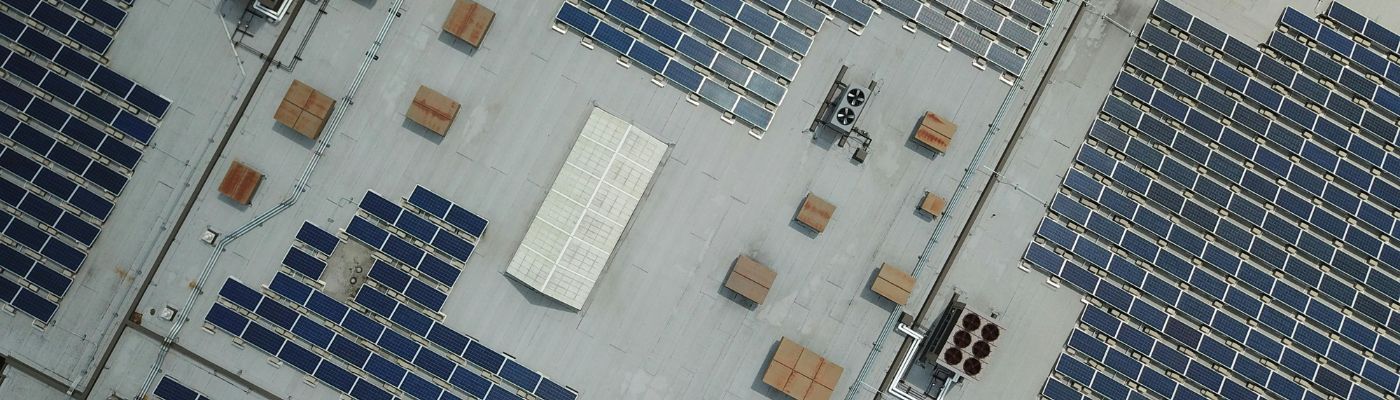
A 100 watt solar panel price in India usually ranges between ₹3,500 and ₹7,000 depending on the panel type, brand, and efficiency. This compact solar panel is widely used for small homes, portable power setups, and basic electricity needs. Many homeowners also explore solar energy because it reduces electricity bills and supports clean, renewable power.
A 100W solar panel is considered one of the most affordable and beginner-friendly solar solutions in India. It is lightweight, easy to install, and capable of generating enough energy for small appliances such as LED lights, mobile chargers, routers, and small fans.
What Is a 100 Watt Solar Panel?
A 100 watt solar panel is a photovoltaic (PV) module designed to generate up to 100 watts of electricity under ideal sunlight conditions. It is commonly used for small solar setups where power demand is limited.
These panels contain multiple solar cells made from silicon. When sunlight hits the surface of these cells, it produces electricity through a process called the photovoltaic effect.
In real-world conditions, a 100W solar panel can generate around 300 to 600 watt-hours of electricity per day, depending on factors such as:
- Sunlight availability
- Location and climate
- Panel efficiency
- Installation angle and shading
Because of its small size and budget-friendly price, a 100W solar panel is often used in:
- Small homes
- Rural areas
- Outdoor camping setups
- Backup power systems
- Small commercial installations
100 Watt Solar Panel Price in India
The 100 watt solar panel price in India depends mainly on the type of solar panel and its efficiency level. Monocrystalline panels usually cost more due to higher efficiency, while polycrystalline panels are more affordable.
Below is an estimated price range for different types of 100W solar panels available in India.
| 100 Watt Solar Panel Type | Estimated Price Range |
|---|---|
| Monocrystalline Solar Panel | ₹3800 – ₹4300 |
| Polycrystalline Solar Panel | ₹3500 – ₹4000 |
| Bifacial Solar Panel | ₹4000 – ₹7000 |
Disclaimer: Basic standard prices are not fixed. The final cost may vary depending on brand, location, installation requirements, and market changes.
Factors Affecting 100 Watt Solar Panel Price
Several factors influence the final cost of a solar panel in India. Understanding these factors helps buyers make better purchasing decisions.
1. Solar Panel Type
Different solar technologies have different prices.
- Monocrystalline panels – Higher efficiency and better performance
- Polycrystalline panels – More affordable but slightly less efficient
- Bifacial panels – Can generate power from both sides
2. Brand and Manufacturer
Well-known brands usually charge slightly higher prices because they provide:
- Better warranty
- Higher efficiency panels
- Strong durability
3. Installation Components
A solar system includes additional components besides the panel:
- Solar inverter
- Mounting structures
- Solar charge controller
- Wiring and connectors
These components can increase the overall cost of a solar setup.
4. Location and Installation
Prices may vary depending on:
- City or state
- Rooftop installation requirements
- Labour charges
Technical Specifications of a 100 Watt Solar Panel
The technical specifications may vary slightly depending on the manufacturer. However, the basic specifications are generally similar.
| Specification | Details |
|---|---|
| Peak Power Output | 300 – 600 Wh/day |
| Maximum Voltage | 20.4V |
| Daily Current Output | 30 – 36 Amps |
| Number of Cells | 36 Cells |
| Efficiency | 16% – 23% |
| Panel Size | Approx. 47 × 21.3 × 1.4 inches |
| Weight | 6.5 – 8 Kg |
These specifications show that a 100W panel is suitable for small energy needs and portable applications.
Working of a 100 Watt Solar Panel
The working process of a solar panel is based on the photovoltaic effect, which converts sunlight into electricity.
Here is a simple explanation of how a 100W solar panel works:
- Sunlight hits the solar cells
Solar panels contain silicon photovoltaic cells that absorb sunlight. - Electrons start moving
When sunlight particles (photons) strike the silicon cells, they energize electrons and create an electric current. - Direct current (DC) electricity is generated
The electricity generated by the panel is in DC form. - Electricity passes through an inverter
A solar inverter converts DC electricity into AC electricity. - Power is used for appliances
AC electricity can then power household appliances such as lights, fans, or chargers.
This process allows solar panels to generate electricity without fuel, noise, or pollution.
Benefits of a 100 Watt Solar Panel
A 100W solar panel provides several advantages for small energy needs. It is especially useful for people who want an affordable entry into solar energy.
1. Affordable Solar Solution
The 100 watt solar panel price in India is relatively low compared to larger solar systems. This makes it an ideal option for beginners who want to explore solar energy.
2. Portable and Lightweight
These panels are easy to carry and install. Many people use them for:
- Camping trips
- Outdoor activities
- Portable power setups
3. Suitable for Small Devices
A 100W solar panel can power small appliances such as:
- LED lights
- Mobile chargers
- WiFi routers
- Small fans
- Laptops
4. Eco-Friendly Energy
Solar panels generate electricity using sunlight, which means:
- No carbon emissions
- No air pollution
- Reduced dependence on fossil fuels
5. Easy Installation
Installing a 100W solar panel system is relatively simple compared to larger solar systems.
In many cases, homeowners can install it on:
- Rooftops
- Balconies
- Small terraces
6. Long Lifespan
Most solar panels last 25 to 30 years with proper maintenance. Although efficiency decreases slightly over time, they continue producing electricity for decades.
What Can a 100 Watt Solar Panel Run?
A single 100W solar panel cannot run heavy appliances, but it works well for small devices.
Here are some common applications:
- Charging mobile phones and tablets
- Running LED bulbs
- Powering WiFi routers
- Charging laptops
- Running CCTV cameras
- Operating small fans
- Charging portable batteries
Many travelers also use 100W solar panels for:
- Camping trips
- RV vehicles
- Outdoor events
Solar System Size Using 100 Watt Panels
Sometimes homeowners combine multiple 100W panels to create a larger solar system.
Below is an estimate of how many 100W panels are required for different system sizes.
| Solar System Capacity | Monthly Energy Output | Number of 100W Panels |
|---|---|---|
| 1 kW | 120 Units | 10 Panels |
| 2 kW | 240 Units | 20 Panels |
| 3 kW | 360 Units | 30 Panels |
| 5 kW | 600 Units | 50 Panels |
| 10 kW | 1200 Units | 100 Panels |
This approach allows users to gradually expand their solar system as energy needs grow.
Subsidy for Solar Panels in India
The Indian government promotes solar energy through subsidy programs under the Rooftop Solar Scheme.
Homeowners installing rooftop solar systems can receive financial support depending on system capacity.
| Solar System Capacity | Subsidy Amount |
|---|---|
| 1 kW | ₹30,000 |
| 2 kW | ₹60,000 |
| 3 kW and Above | Up to ₹78,000 |
The subsidy is mainly available for grid-connected rooftop solar systems installed through approved vendors.
To apply for the subsidy, users can register through the National Rooftop Solar Portal provided by the government.
Limitations of a 100 Watt Solar Panel
Although useful, a 100W solar panel has certain limitations.
1. Limited Power Output
It cannot run heavy appliances such as:
- Air conditioners
- Refrigerators
- Water heaters
2. Sunlight Dependency
Solar energy production depends on sunlight. During cloudy weather or winter seasons, power generation decreases.
3. Efficiency Loss Over Time
Solar panels gradually lose efficiency due to:
- Dust accumulation
- Weather exposure
- Ageing of components
Regular cleaning and maintenance can improve performance.
4. Space Requirements for Larger Systems
If you need more electricity, multiple panels are required, which means more rooftop space is needed.
Read More – Solar Panel Installation cost in India
Is a 100 Watt Solar Panel Worth Buying?
A 100W solar panel is a good option for people who want a low-cost solar setup for small energy needs.
It is especially useful for:
- Beginners exploring solar energy
- Rural areas with limited electricity access
- Outdoor travelers and campers
- Small backup power systems
However, households with higher electricity consumption may need larger solar systems such as 1 kW to 5 kW rooftop systems.
Maintenance Tips for 100W Solar Panels
To ensure maximum performance and longer lifespan, follow these simple maintenance tips:
- Clean the panel surface regularly to remove dust and dirt
- Install panels at the correct tilt angle for maximum sunlight
- Avoid shade from trees or nearby buildings
- Check wiring and connections periodically
Proper maintenance can help solar panels perform efficiently for many years.
Conclusion
The 100 watt solar panel price in India makes it one of the most affordable ways to start using solar energy. With a cost ranging between ₹3,500 and ₹7,000, it offers a practical solution for powering small devices and basic household needs.
Although it cannot run heavy appliances, a 100W solar panel is perfect for portable energy setups, small homes, and backup power systems. Combined with government solar subsidies and long lifespan, it becomes a smart investment for anyone interested in renewable energy.
Solar energy is gradually becoming a key part of India’s energy future. Starting with a small solar panel system can be the first step toward reducing electricity bills and adopting clean energy.
FAQs
1. What is the price of a 100 watt solar panel in India?
Ans – The 100 watt solar panel price in India typically ranges between ₹3,500 and ₹7,000, depending on the panel type, brand, efficiency, and installation requirements.
2. How much electricity does a 100W solar panel generate?
Ans – A 100 watt solar panel can generate around 300 to 600 watt-hours of electricity per day under good sunlight conditions. The output may vary based on location, weather, and installation angle.
3. What appliances can run on a 100 watt solar panel?
Ans – A 100W solar panel can power small devices such as:
-
LED lights
-
Mobile chargers
-
WiFi routers
-
Small fans
-
Laptops
-
CCTV cameras
However, it cannot run heavy appliances like air conditioners or refrigerators.
4. Is government subsidy available for a 100 watt solar panel in India?
Ans – Yes, the Indian government provides subsidies under the rooftop solar scheme. The subsidy usually applies to larger rooftop systems such as 1 kW to 3 kW solar installations, which may include multiple panels.
5. How long does a 100 watt solar panel last?
Ans – A good quality 100W solar panel can last 25 to 30 years with proper maintenance. Over time, the efficiency may slightly decrease but the panel will continue producing electricity.
6. How many 100 watt solar panels are needed for a house?
Ans – The number of panels depends on electricity usage. For example:
-
1 kW system – about 10 panels
-
3 kW system – about 30 panels
-
5 kW system – about 50 panels
This estimate may vary depending on panel efficiency and sunlight availability.
7. Can a 100 watt solar panel charge a battery?
Ans – Yes, a 100W solar panel can charge a 12V battery when connected with a solar charge controller. Charging time depends on battery capacity and sunlight conditions.
